Mobile detailing across Canada

Mobile Car Exterior Detailing

A two-bucket hand wash, clay bar decontamination, wheels and tyres, glass, then a protective wax or sealant — the finish an automatic tunnel cannot give you and slowly takes away.
2–3hoursA typical exterior appointment, depending on size and condition
2bucketsWash and rinse kept separate so grit never goes back on the paint
97citiesAcross British Columbia, Alberta, Ontario and Nova Scotia
7days8:00 AM – 6:00 PM, including weekends
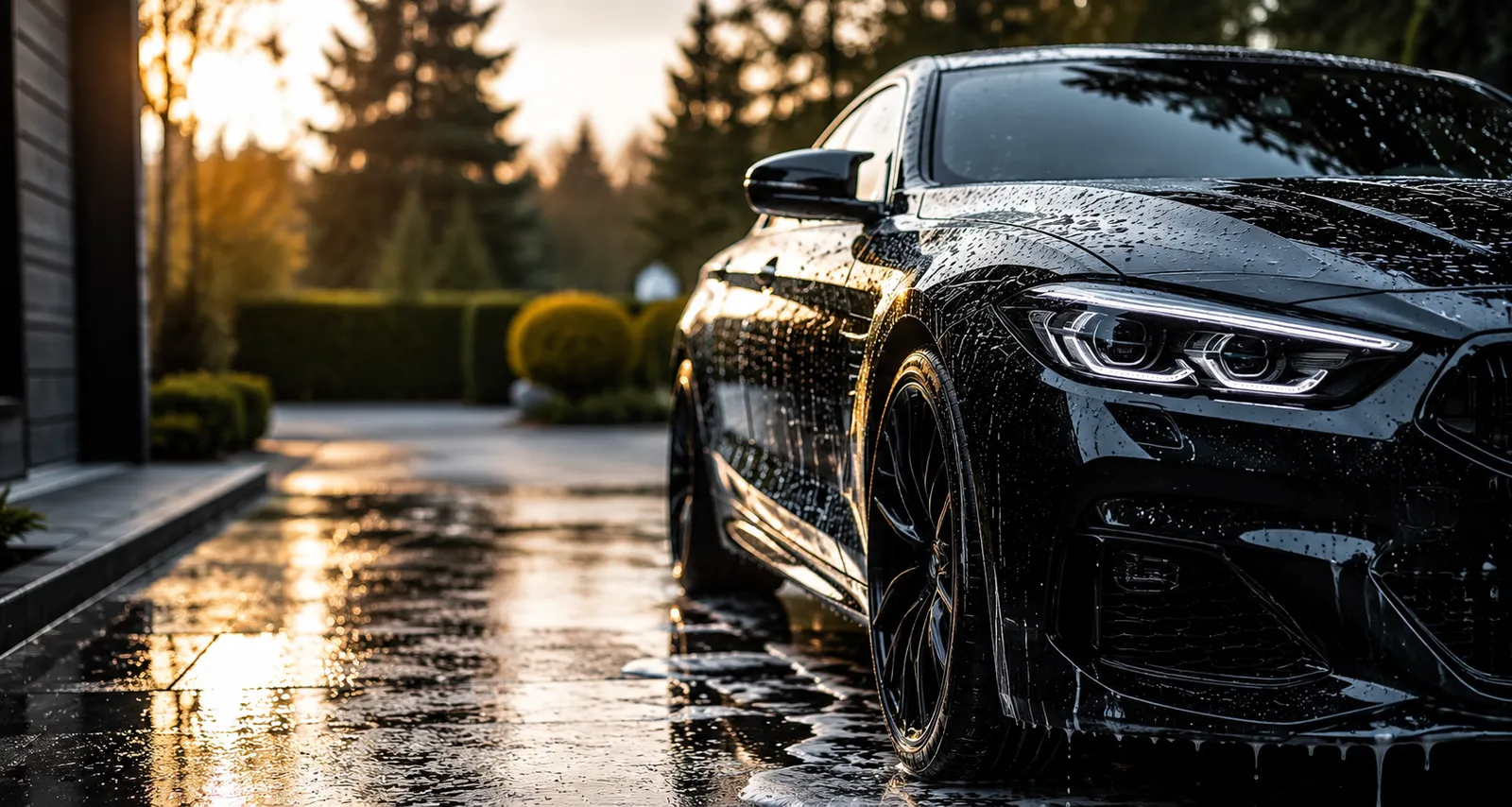
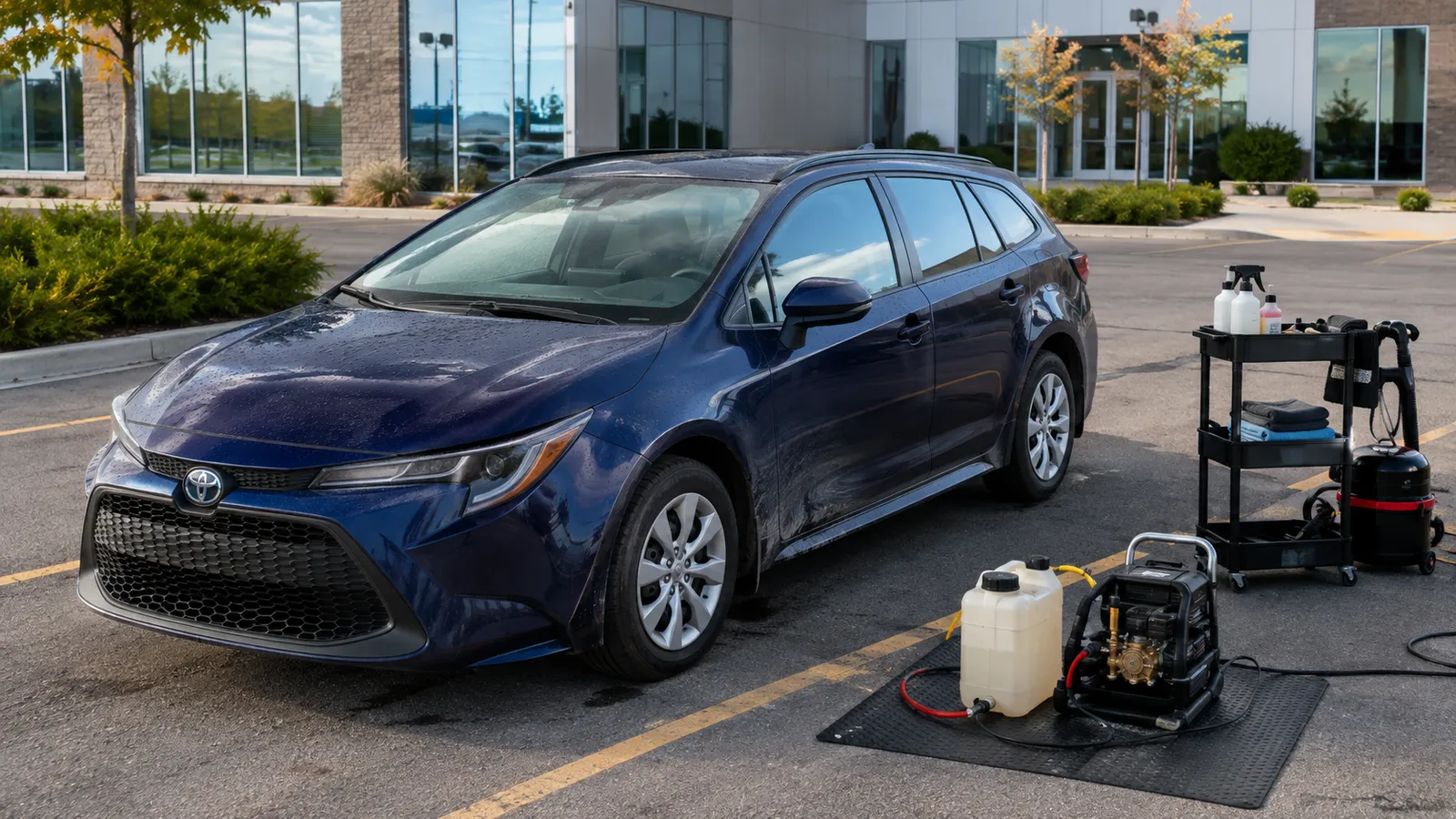
A dark blue sedan being rinsed during an exterior detail

Why the tunnel costs you paint.

Automatic car washes drag the same brushes across every vehicle that came before yours, carrying whatever those vehicles were wearing. The fine scratching that follows is what turns a black car grey under direct sun. A hand wash with separate wash and rinse buckets keeps the grit off the mitt and off your clear coat.
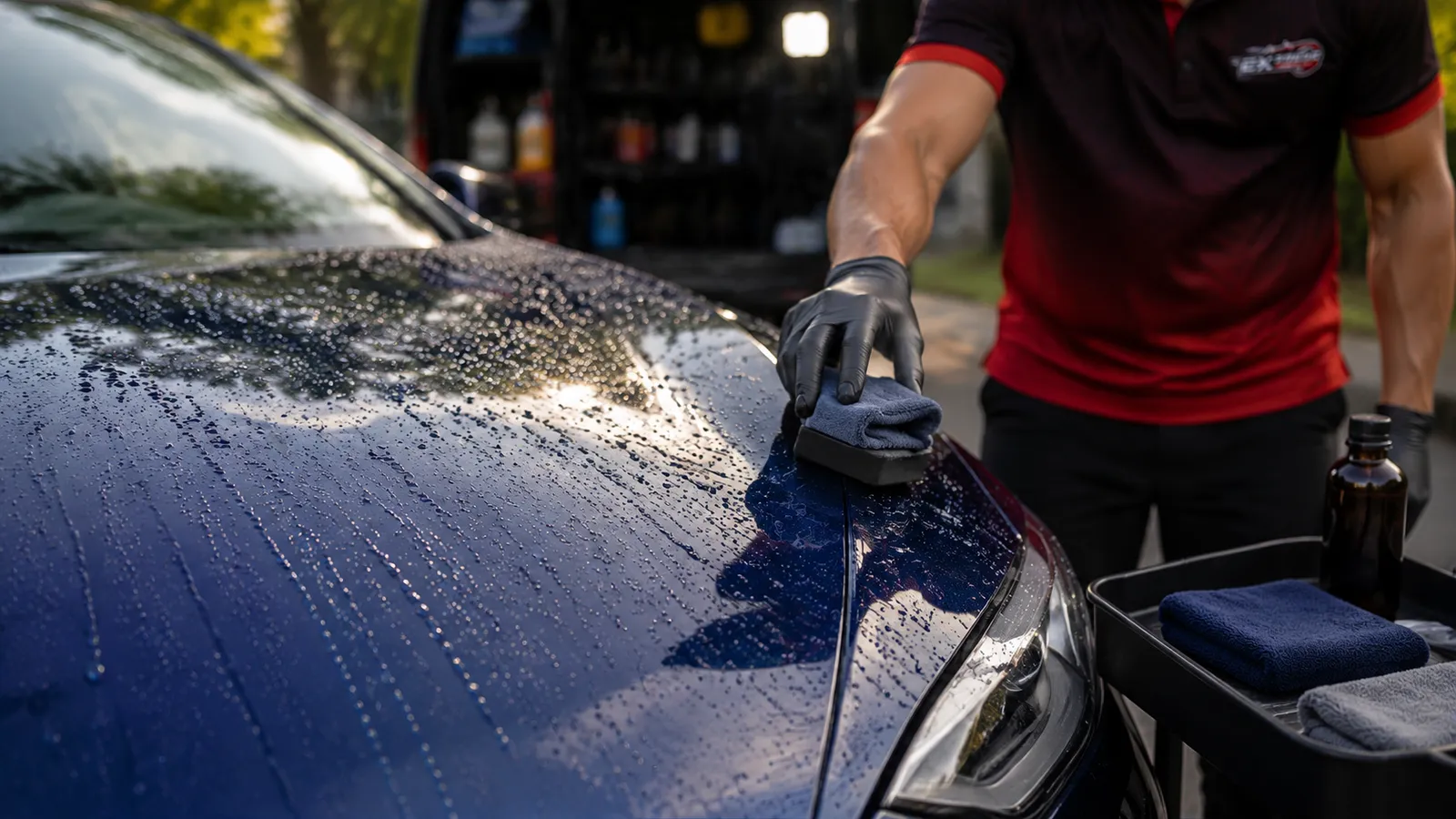
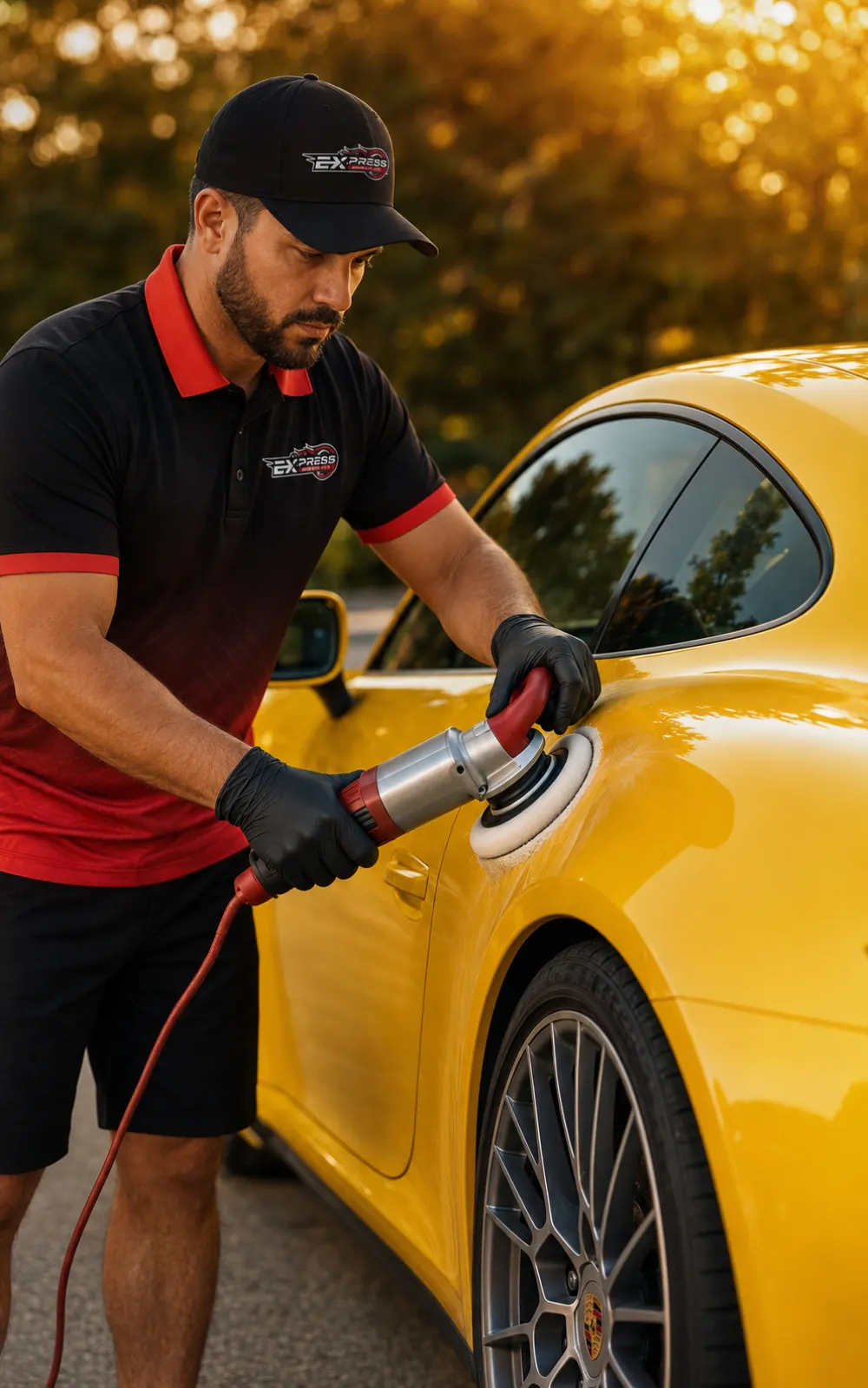
A technician machine-polishing the bonnet of a dark car

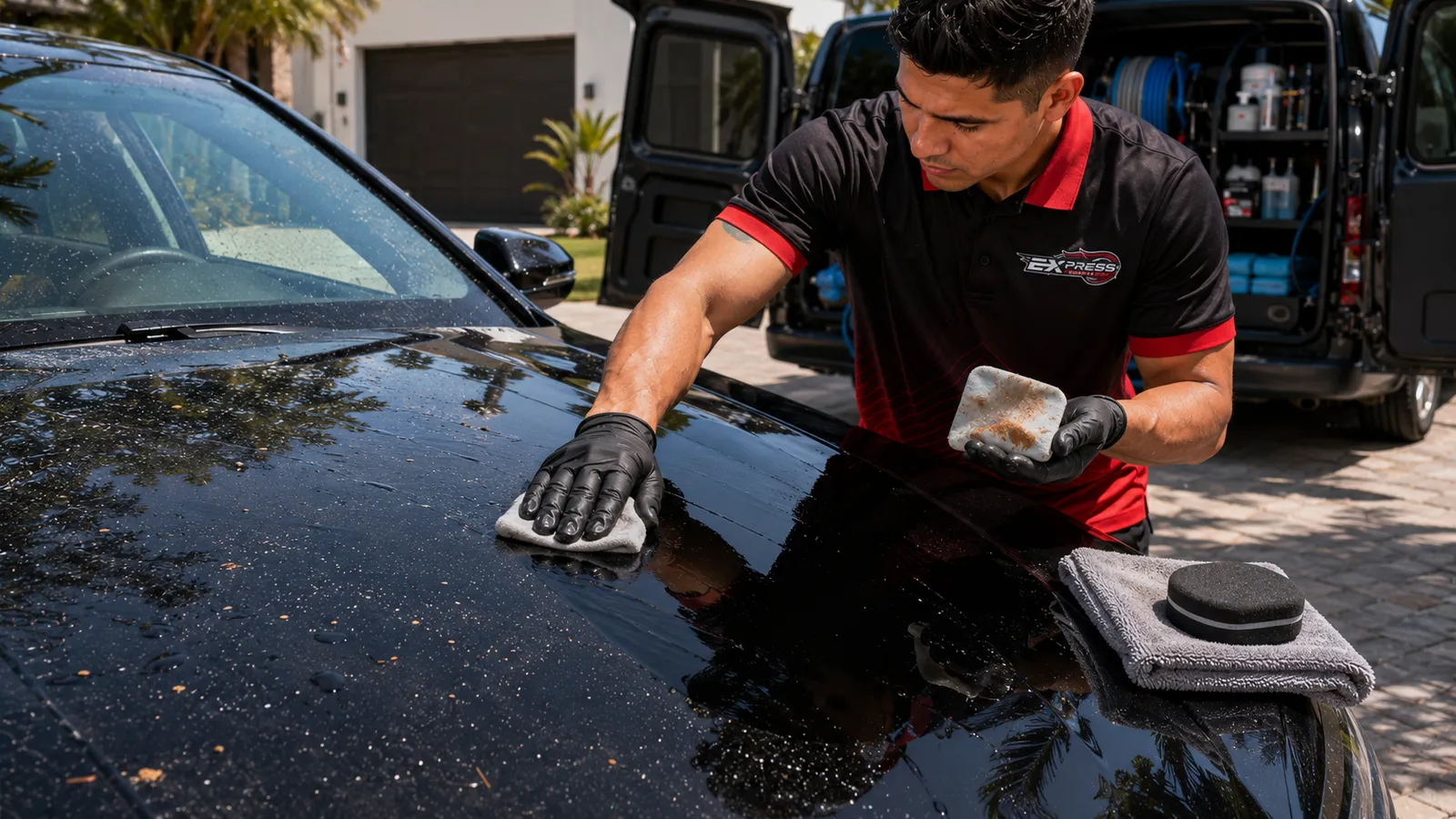
Clay lifts what soap leaves.

Rail dust, industrial fallout, tree sap and overspray bond to the clear coat and survive any wash. Run a hand over a freshly washed panel and the roughness you feel is what clay removes. It has to come off before wax or sealant, or the protection goes on top of the contamination instead of the paint.
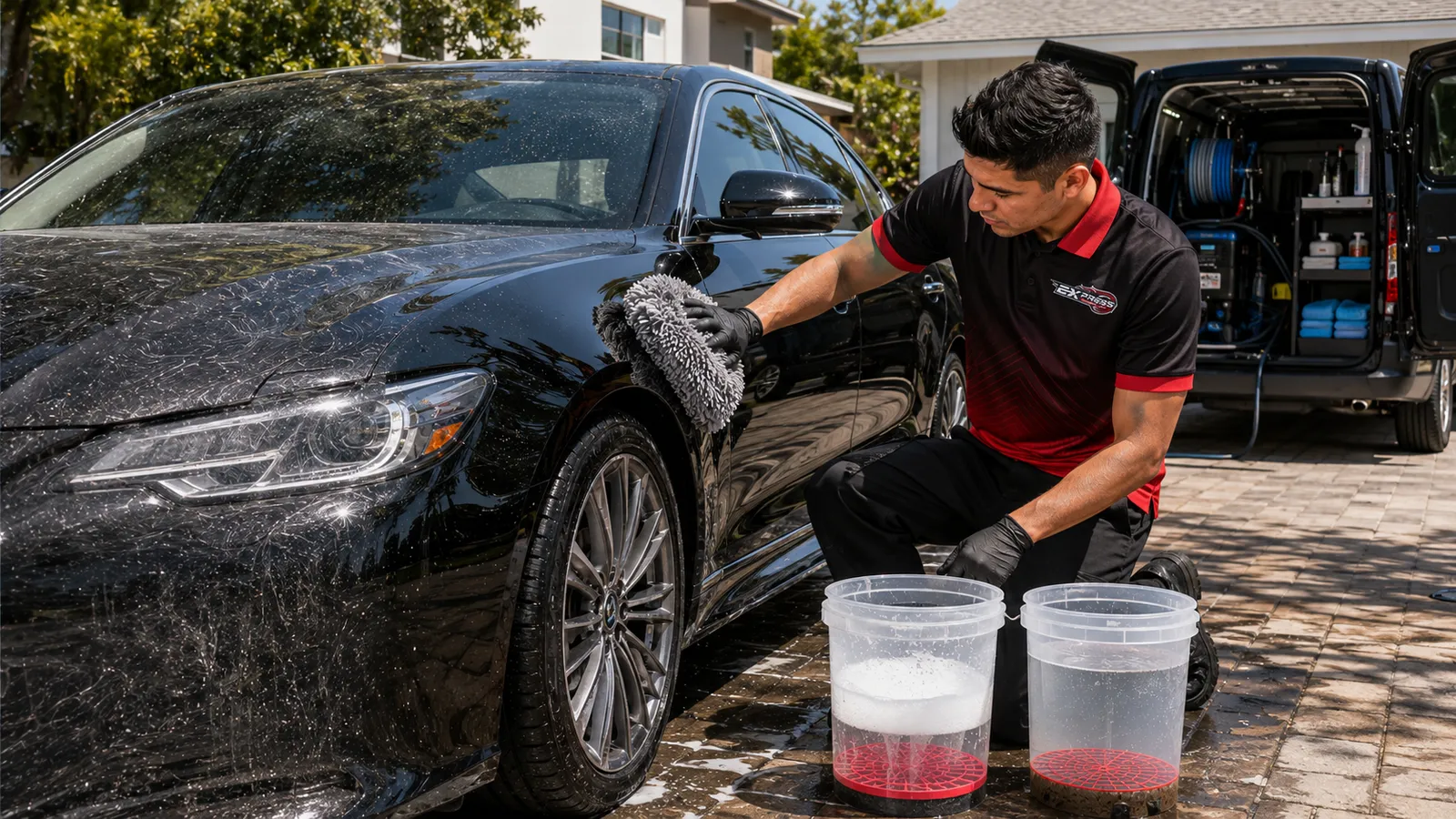
mobile car exterior detailing — A technician hand-washing a black car using separate wash and rinse buckets

Wheels get their own pass.

Brake dust is iron, and it is far more corrosive than road dirt — left on a wheel finish it pits and stains permanently. Wheels, barrels and tyres are cleaned separately from the bodywork, with their own tools, so nothing that comes off a wheel goes anywhere near the paint.
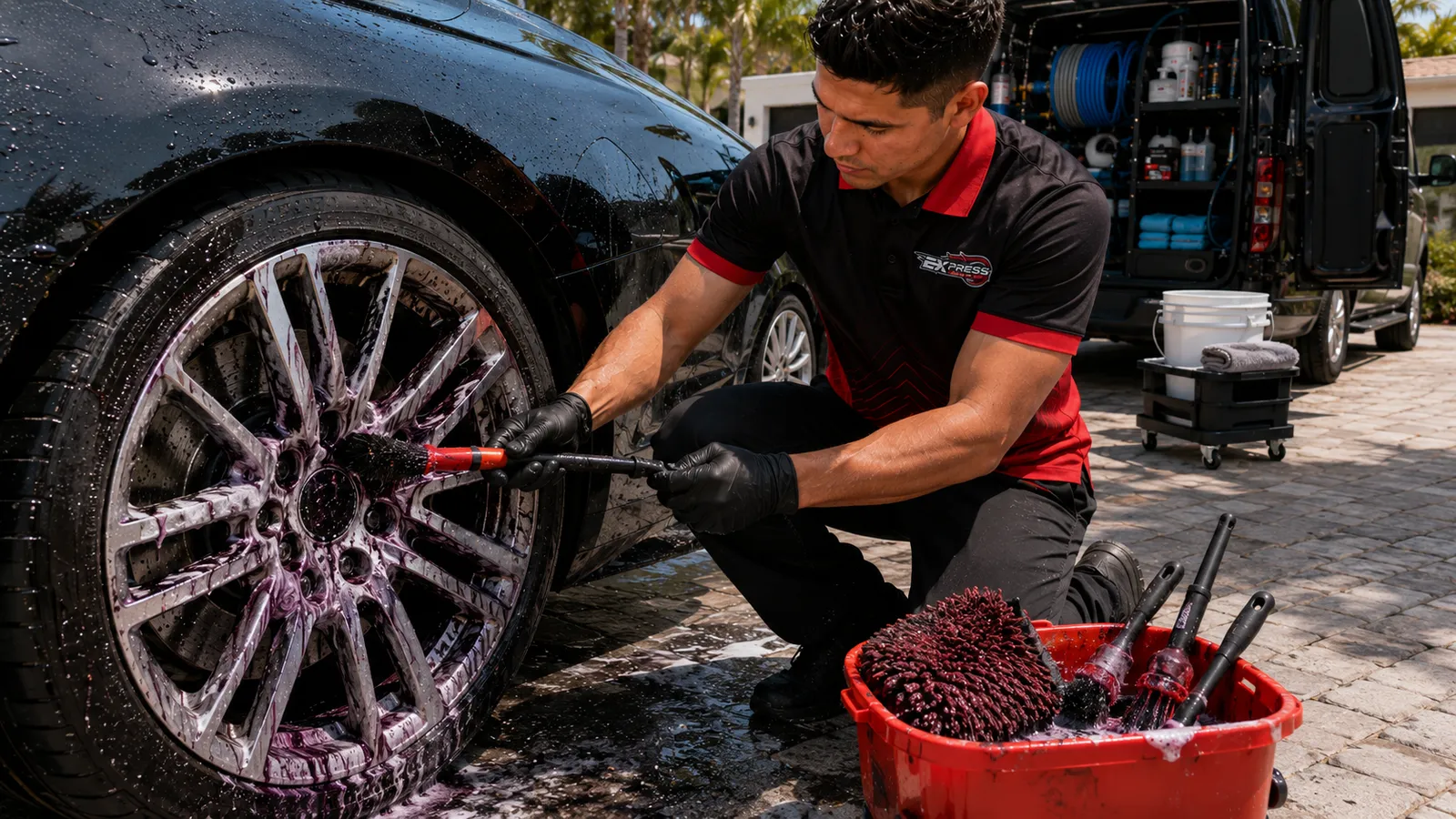
A technician cleaning a wheel face with a detailing brush

Protection, then inspection.

A wax or sealant layer goes on last. It is a topcoat rather than a permanent barrier, so it is what takes the next few months of rain, road salt and UV instead of your paint doing it directly. The vehicle is walked with you before we leave.
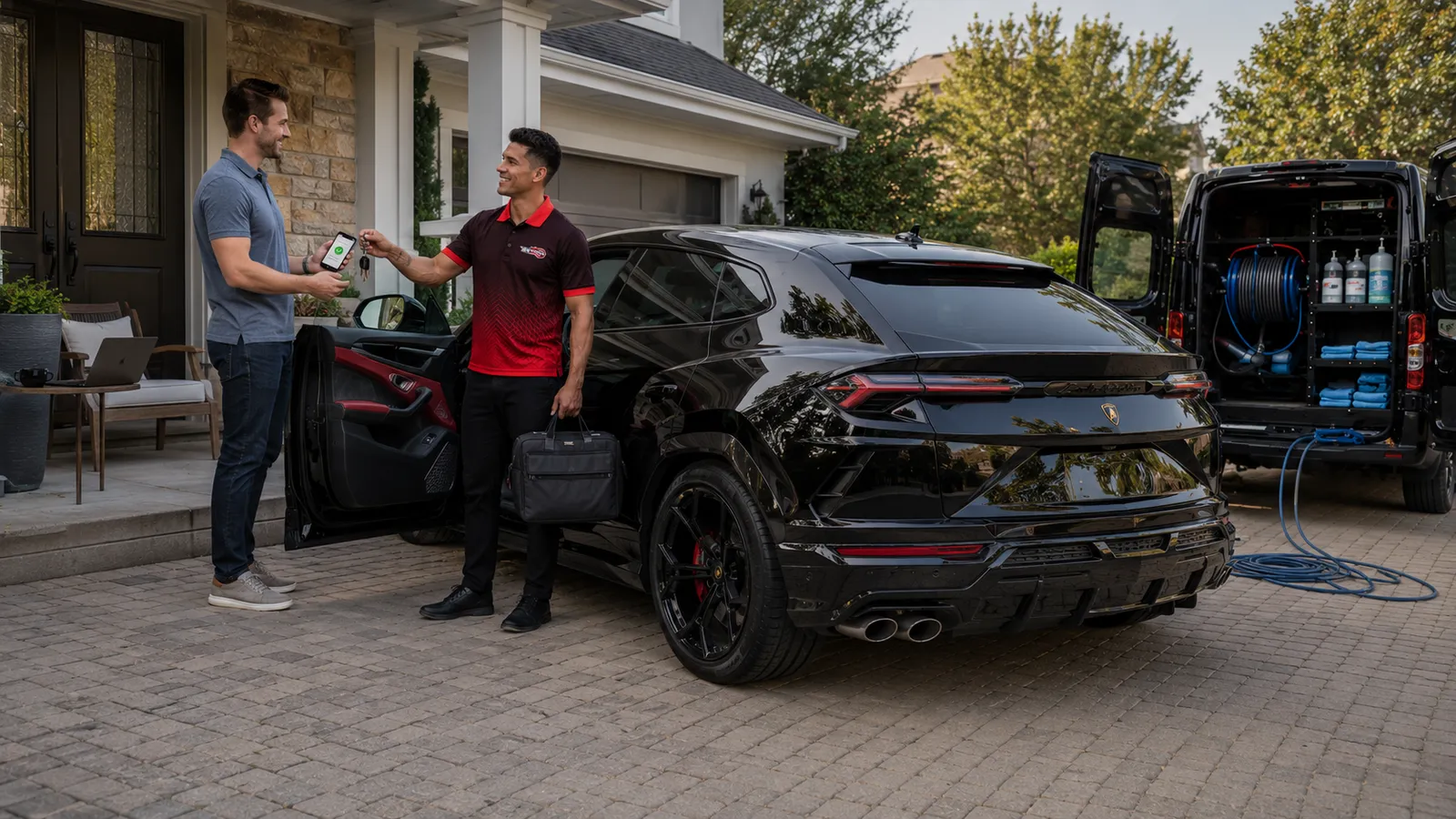
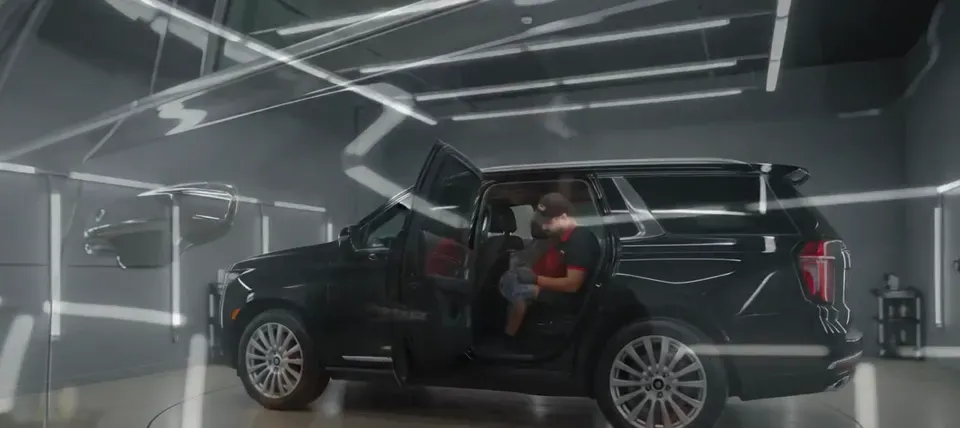
A dark SUV being detailed on a customer's driveway
The difference
mobile car exterior detailing in progress
Technician foam-washing a red car on a driveway

What the tunnel leaves behind.

An automatic wash is fast and it genuinely removes loose dirt. What it cannot do is separate the grit it has just collected from the next car's paint, and it cannot touch anything chemically bonded — road film, industrial fallout, the brake dust welded to the wheel faces. Those need a pre-rinse, two buckets and clay, in that order. It is slower for a reason, and the reason is contact.

Build your price →
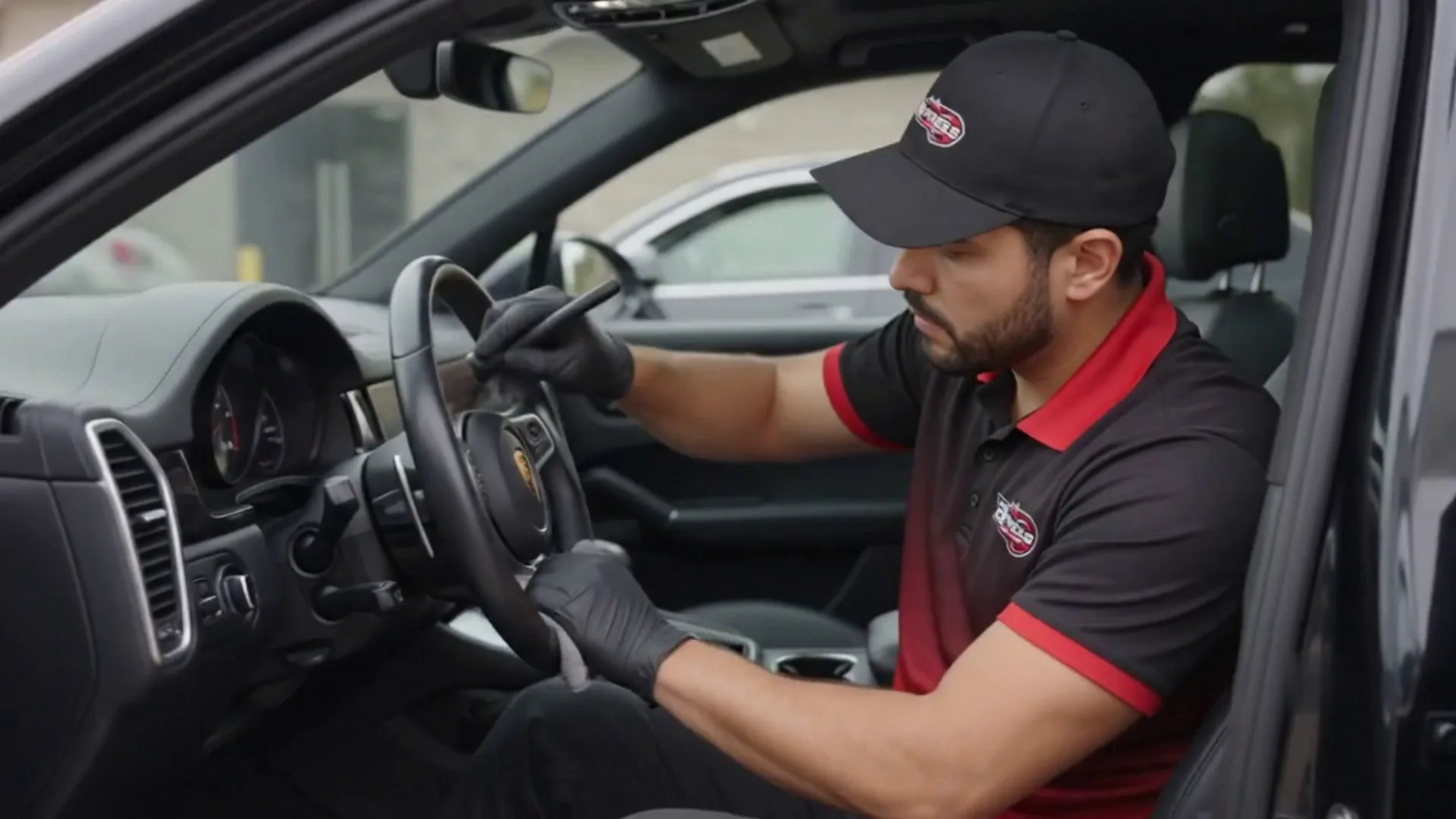
Interior Detailing by Express Mobile Detailing

The parts a machine cannot reach

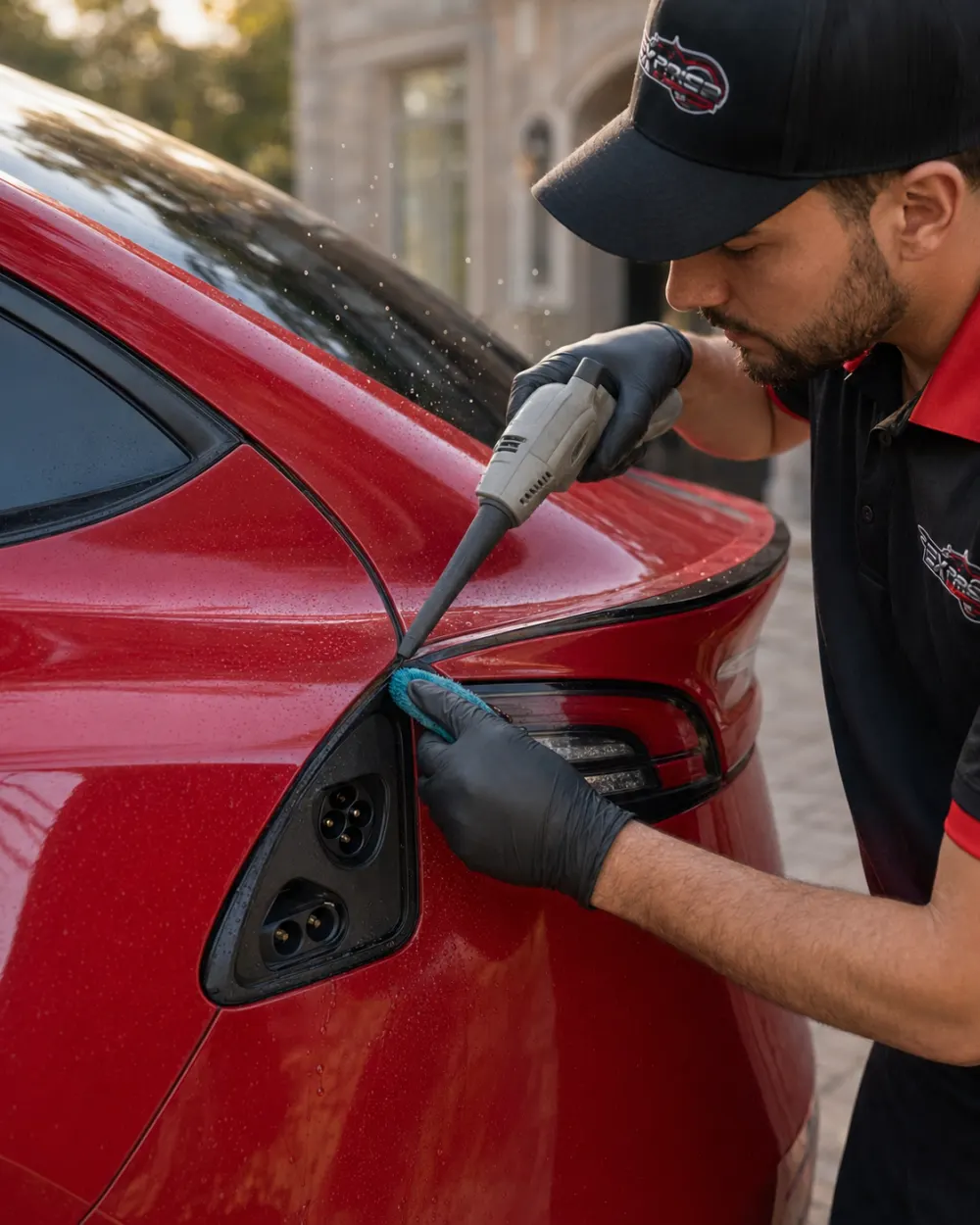
Door jambs, the fuel filler recess, badge surrounds, the underside of the handles, the lower rear valance. A tunnel does not go there because a rotating brush physically cannot. It is also the first place anyone looks who is deciding whether a car has been detailed or just rinsed.

Closer in

The parts that decide the result.

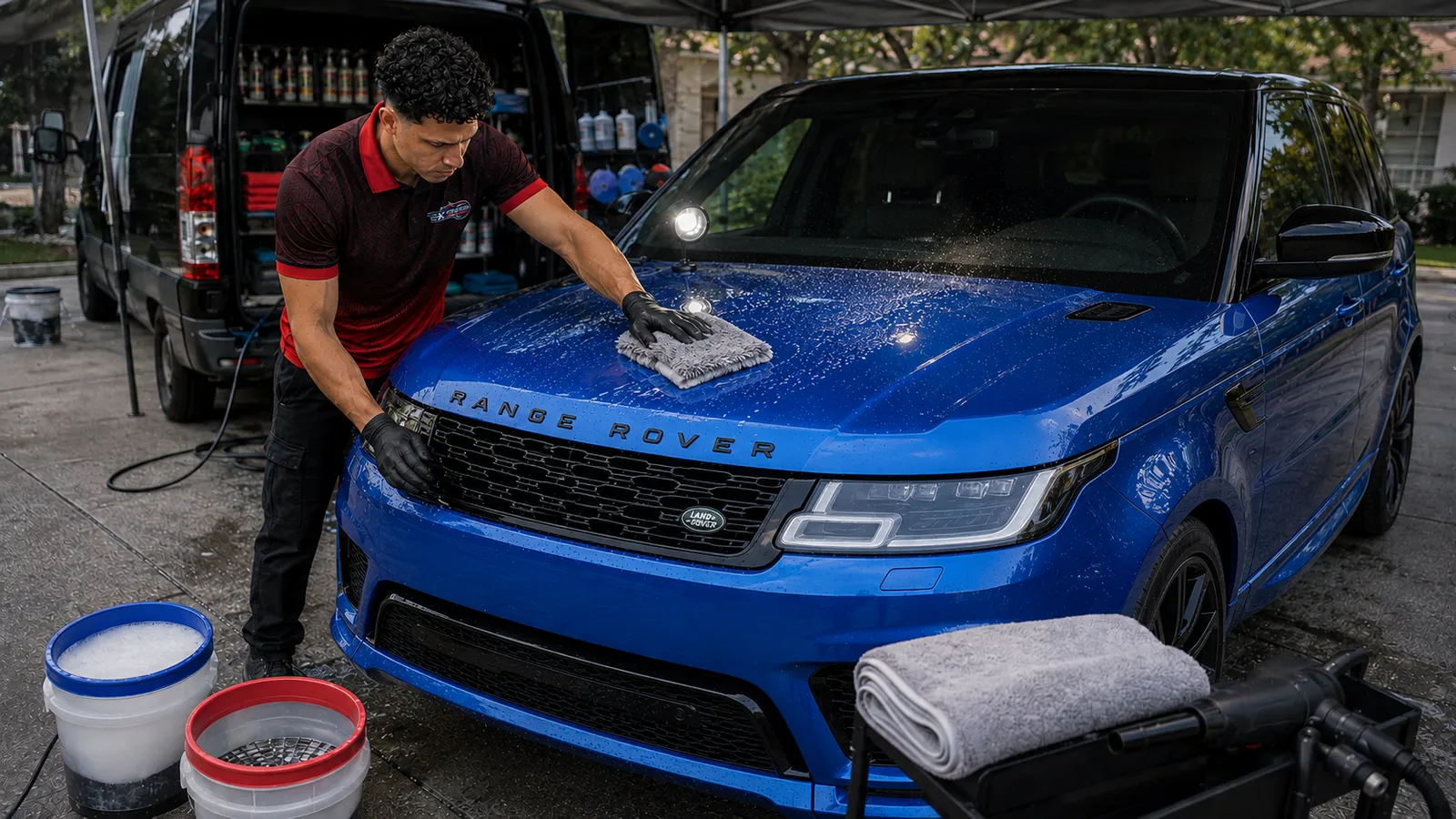
The front of a blue SUV during a two-bucket hand wash
Two buckets, never one.
A technician working beside mobile detailing equipment at a customer's address
Clay before protection.
Professional exterior car detailing at home in Canada for paint protection and exterior vehicle restoration
The edges a tunnel never reaches.
Technician foam-washing a red car on a driveway
Finished, and walked with you.
Express Mobile Detailing technician working on a sports car at a customer's address

The edges a tunnel never reaches.

Door jambs, fuel filler recess, the underside of handles, badge surrounds and the lower rear valance where road spray collects. These are the areas that give away whether a car was actually detailed or simply rinsed.

Questions

Before you book.

How is this different from a car wash?

A wash removes what is loose. An exterior detail removes what is bonded, cleans the areas a tunnel cannot reach, and leaves a protective layer behind. It is also done by hand, which is what stops the fine scratching automatic brushes cause.

Will it remove scratches?

No — that is paint correction, a separate service using machine polishing. An exterior detail cleans, decontaminates and protects. If we see damage that needs correction, we will tell you what it would actually take.

How long does the protection last?

A wax or sealant layer is a topcoat, not a permanent barrier. How long it lasts depends on how much the vehicle is driven and whether it lives outdoors. Most drivers rebook every few months.

Can you work in the rain?

Light rain usually is not a problem where there is cover. We will reschedule rather than deliver a compromised result if conditions would prevent a proper wash and dry.

Do you detail large vehicles?

Yes — sedans, hatchbacks, SUVs, trucks and vans. Larger vehicles take longer because there is more surface area, and the appointment window is confirmed against your vehicle at booking.

How much does it cost?

Pricing depends on the service, the vehicle and your city. The exact total is shown and agreed in the booking flow before anything is confirmed.

Is clay bar treatment safe on my paint?

Yes, used correctly and with plenty of lubrication, which is the part that matters. Clay lifts bonded contamination that washing cannot; used dry or dropped and reused, it drags grit across the panel. It is a standard part of a proper decontamination and it is not optional if protection is going on afterwards.

What is the difference between wax and sealant?

Broadly, wax is a natural product that gives a warmer look and a shorter life; sealant is synthetic, lasts longer and is more resistant to road salt and detergent. For a vehicle that lives outdoors through a Canadian winter, sealant is usually the more practical answer, and we will talk it through against how you actually use the car.

What's included

What every mobile car exterior detailing includes.

  • Pre-rinseLoose dirt and grit taken off before anything touches the paint.
  • Two-bucket hand washpH-balanced foam, separate rinse bucket, microfibre mitt.
  • Clay bar decontaminationBonded contaminants lifted so the finish is smooth before protection.
  • Wheels, barrels and tyresCleaned with dedicated tools, then tyres dressed.
  • Glass, outsideExterior glass cleaned streak-free, including mirrors.
  • Exterior trimPlastics and trim treated to reduce UV fading.
  • Wax or sealantA protective topcoat applied by hand across every painted panel.
  • Final inspectionWalked with you before we leave, in daylight where possible.
Up close

What mobile car exterior detailing actually looks like.

A two-bucket hand wash, clay bar decontamination, wheels and tyres, glass, then a protective wax or sealant — the finish an automatic tunnel cannot give you and slowly takes away.

A dark SUV being detailed on a customer's driveway
Pre-rinse
A dark blue sedan being rinsed during an exterior detail
Two-bucket hand wash
A technician cleaning a wheel face with a detailing brush
Clay bar decontamination

Stay out of the tunnel

This matters more than anything else on this list. One trip through an automatic wash with spinning brushes undoes months of careful work and starts the swirl marks that eventually need machine correction to remove.

How it runs

What actually happens on the day.

The appointment follows the same order every time, because the order is what makes the result last.
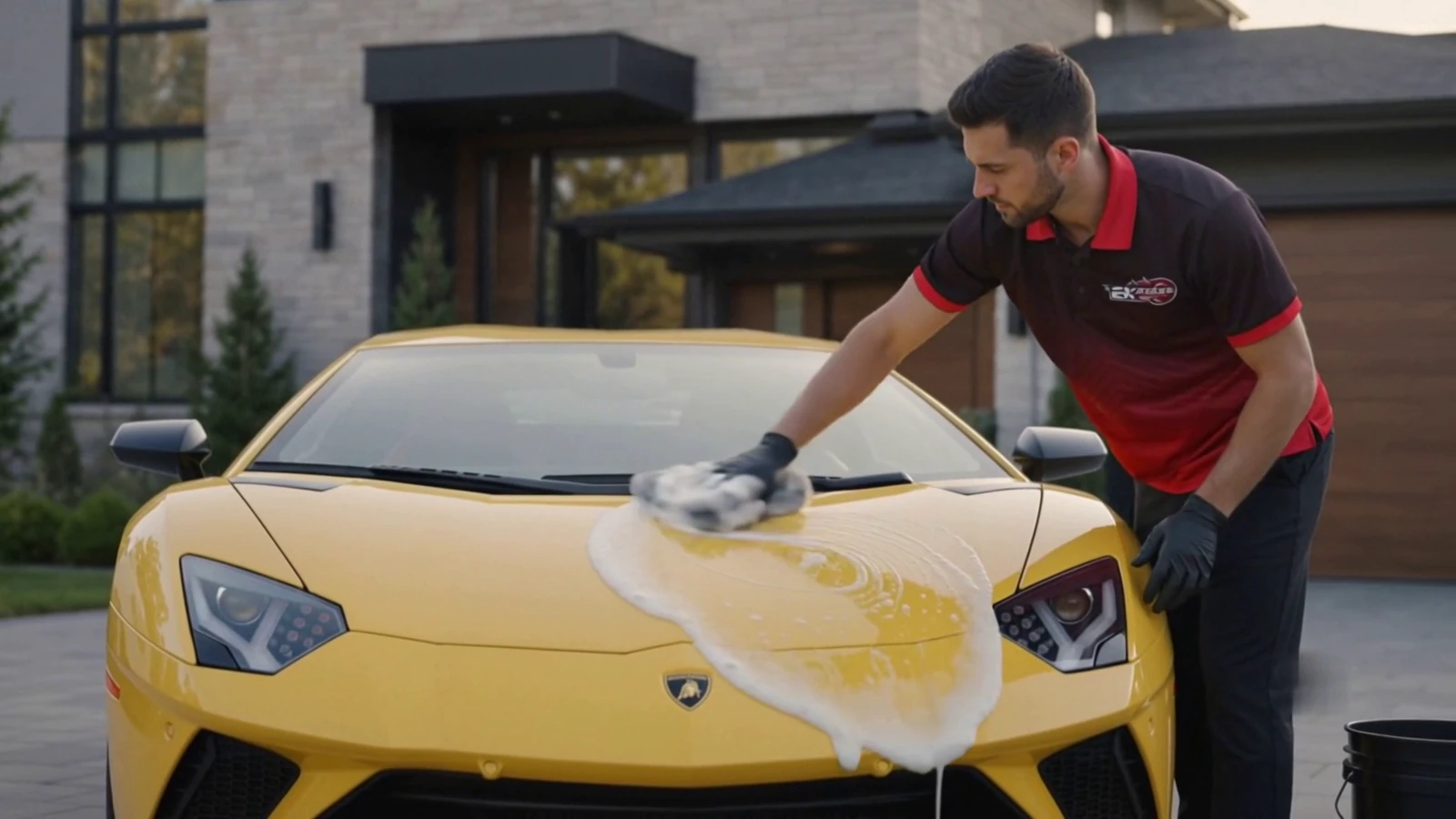
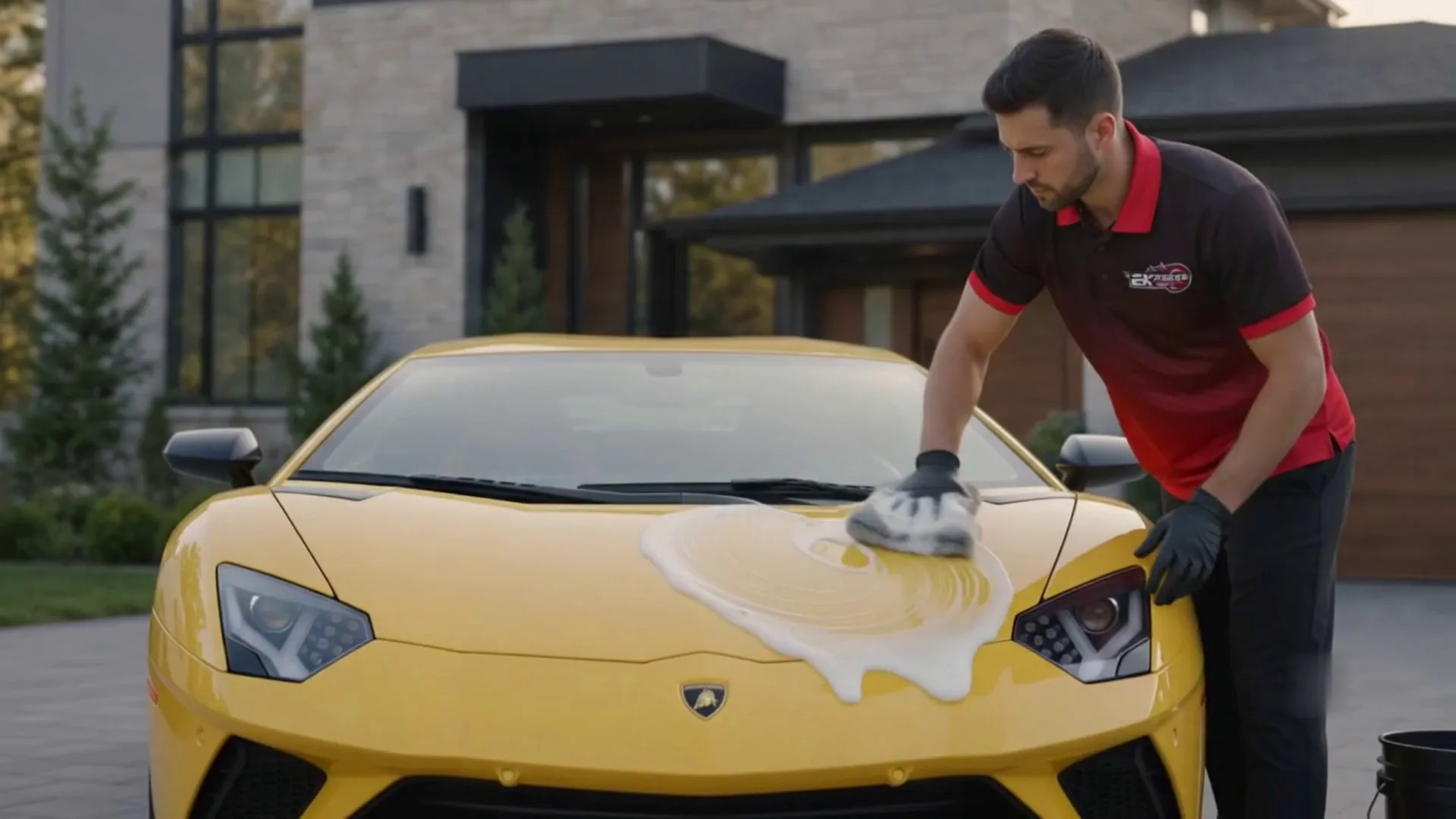
Express Mobile Detailing technician contact-washing a car bonnet with a plush wash mitt
Access and surface check

We confirm where the vehicle will be, then check the paint before starting — existing chips, scratches and any previous repair work are noted with you so nothing is attributed to the appointment afterwards.
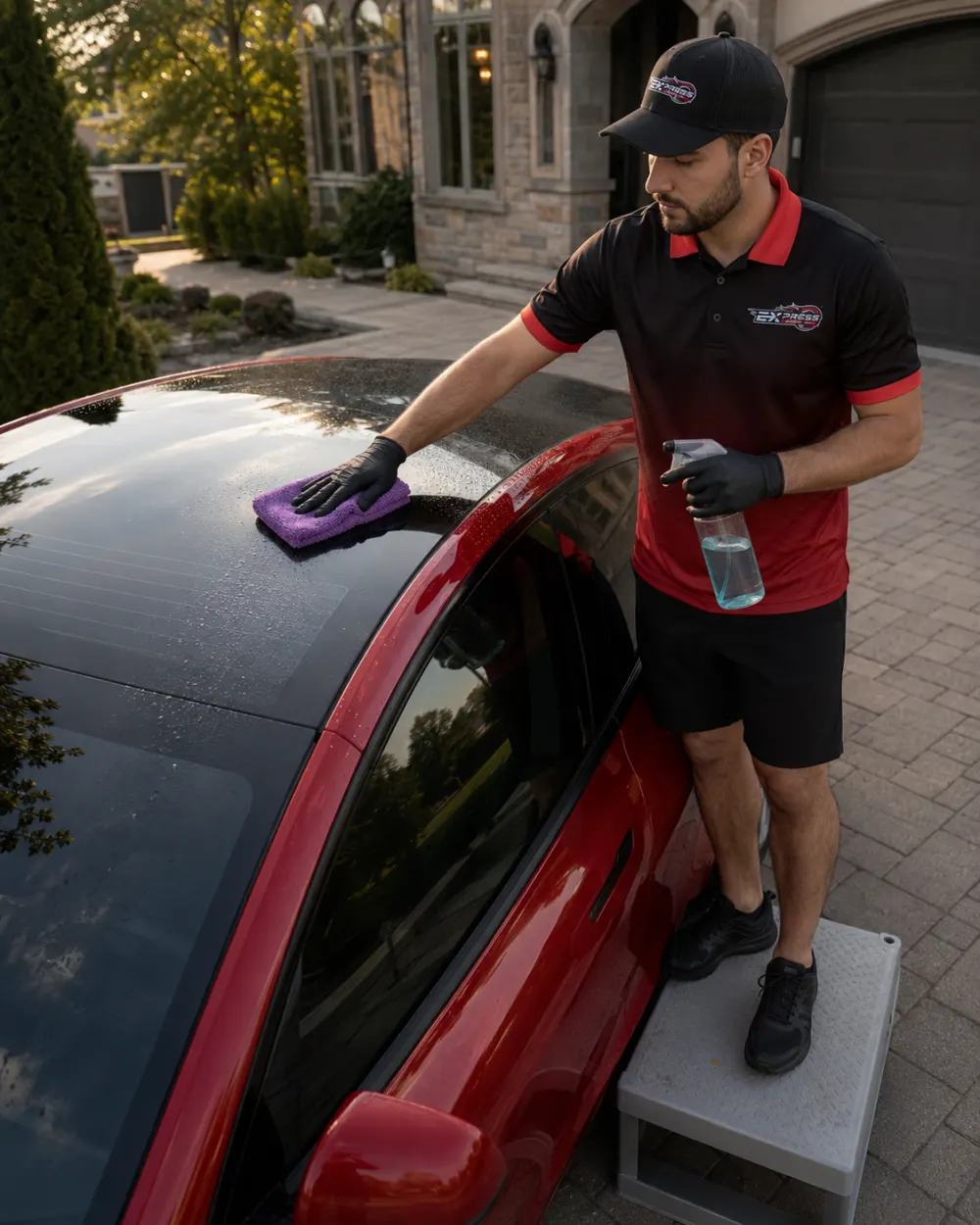
Technician machine-polishing a red car to a mirror finish on a driveway
Pre-rinse and foam

The vehicle is rinsed and foamed first so the majority of the grit is lifted off before a mitt touches it. Most wash-induced scratching happens in the first sixty seconds of contact, which is exactly what this step removes.

mobile car exterior detailing — A technician hand-washing a black car using separate wash and rinse buckets
Contact wash, top down

Panels are washed from the roof down, rinsing the mitt between panels. Wheels are done last with separate equipment so nothing crosses over.

  • Decontaminate, protect, inspectClay bar, then dry, then wax or sealant by hand. The walk-through happens before the technician leaves.
Straight answers

What mobile car exterior detailing fixes — and what it doesn't.

  • Comes offRoad film, brake dust, bug and tar spotting, tree sap, water spotting, bonded industrial fallout and general grime.
  • Usually improvesDulled clear coat and light water etching will look considerably better, though a wash and protect is not a correction.
  • Needs paint correctionSwirl marks, scratches you can feel with a fingernail, oxidation and heavy water etching need machine polishing — that is our mobile paint correction service, not an exterior detail.

Every appointment is carried out by Express Mobile Detailing's own trained technicians — not subcontracted — and every mobile visit is fully insured. The company has been detailing vehicles for over ten years and now covers 97 cities across British Columbia, Alberta, Ontario and Nova Scotia.Page reviewed 6 August 2026

Aftercare

How to keep it.

None of this is a warranty — it is just what actually makes the result last, from having watched what undoes it.

  • Stay out of the tunnelThis matters more than anything else on this list. One trip through an automatic wash with spinning brushes undoes months of careful work and starts the swirl marks that eventually need machine correction to remove.
  • Rinse between detailsA plain water rinse every couple of weeks stops road salt and brake dust sitting long enough to bond. It takes minutes and it is the difference between a light decontamination next time and a heavy one.
  • Two buckets if you wash it yourselfOne for soap, one to rinse the mitt. The rinse bucket is what stops the grit you just lifted off the car going straight back onto the paint on the next pass. A grit guard in the bottom of each helps.
  • Dry with the right towelA clean, plush microfibre drying towel, used flat rather than dragged in circles. More paint damage comes from bad drying than most people expect — a towel that has been on the floor will scratch clear coat.

Build your price.

Pick your service, city and vehicle. The exact total is shown before anything is confirmed.