Mobile Paint Protection Film
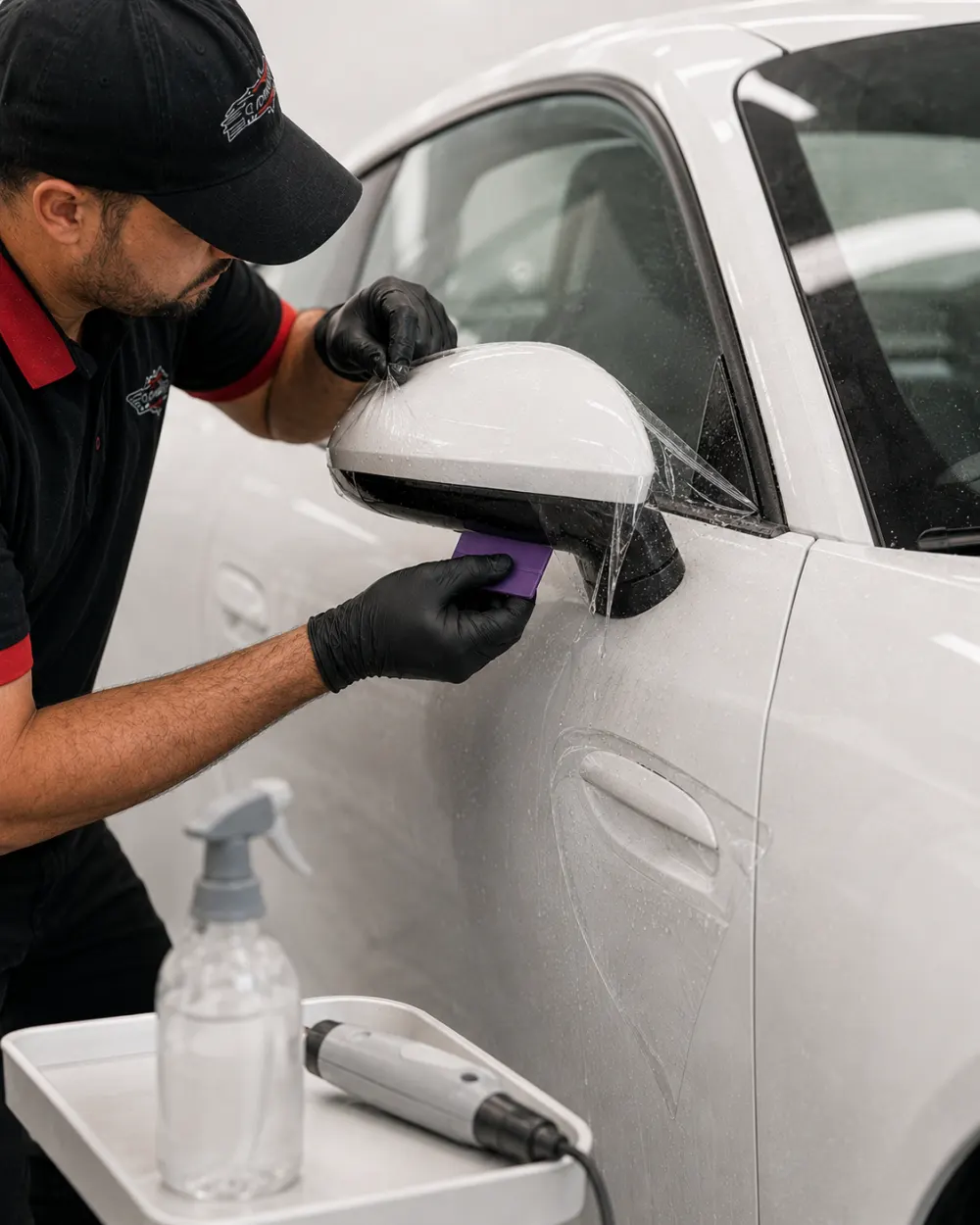
Self-healing urethane film applied to the panels that take the damage — bumper, bonnet leading edge, mirrors and door edges. The film takes the chip so the paint does not.
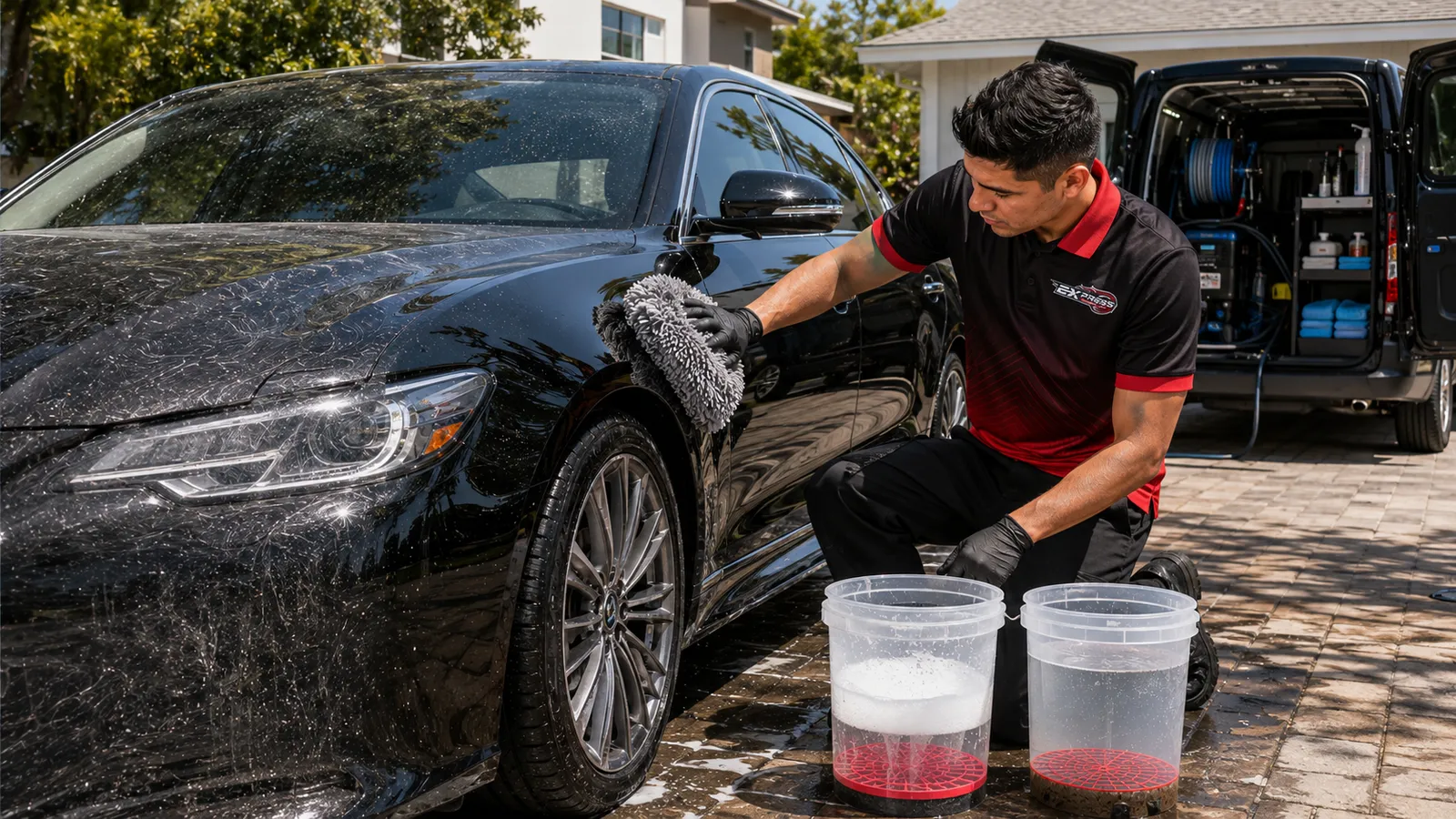
A physical barrier, not a chemical one.

Where the damage actually lands.
Stone chips are not evenly distributed. They cluster on the front bumper, the leading edge of the bonnet, the mirror caps and the strip behind the front wheels. Covering those areas protects the paint that is statistically going to be hit, which is why partial-front coverage is the most common choice.
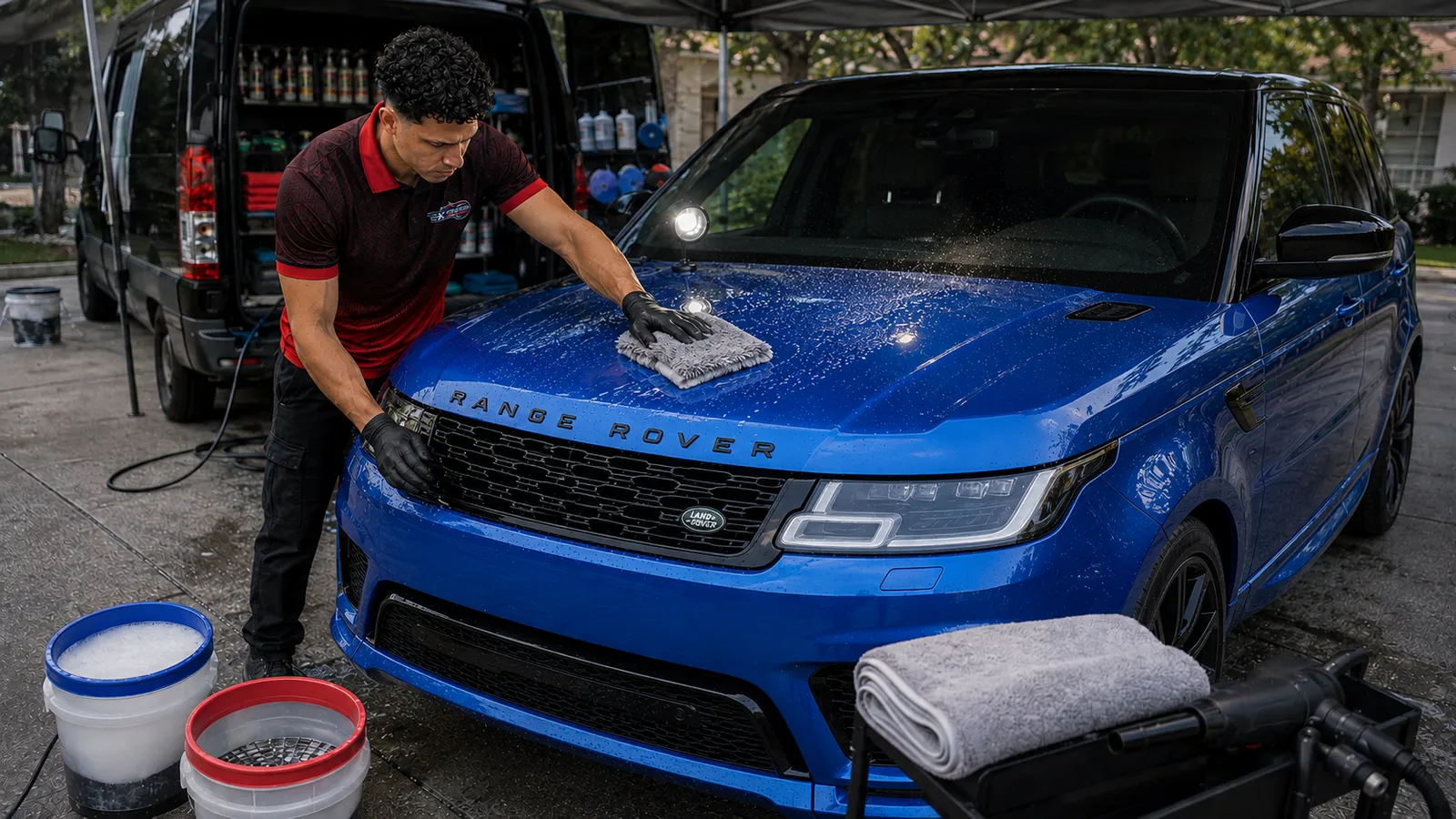
Self-healing, within limits.
Fine surface marks in the film close up with warmth — sun, or warm water. That is a genuine property of the urethane, and it is also frequently oversold: a deep cut or an impact that goes through the film does not heal, and the film is then doing exactly its job by being the thing that got damaged.
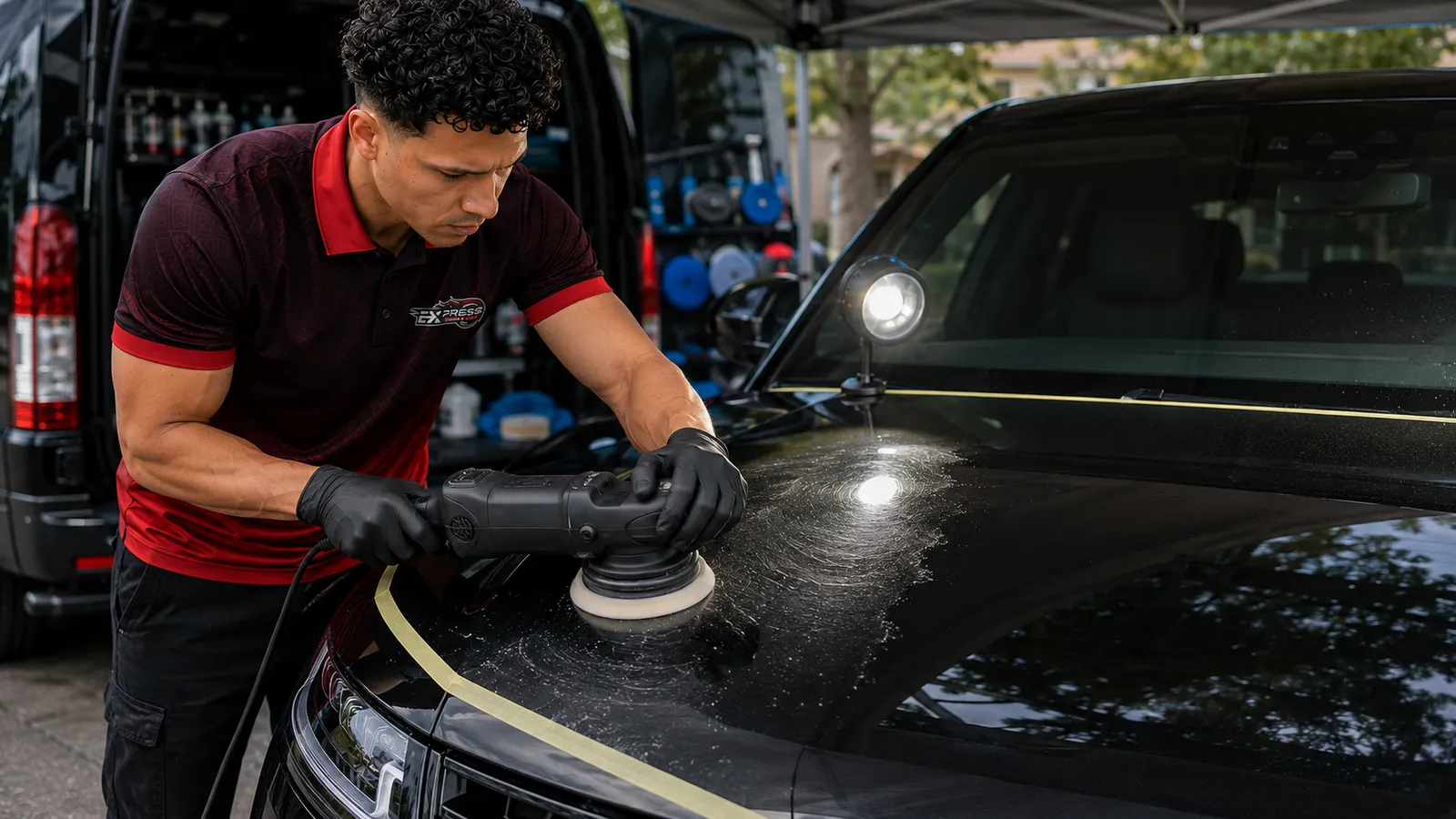
Film and coating do different jobs.
A ceramic coating is chemical protection: water behaviour, UV, easier washing. PPF is physical: it absorbs impact. They are not alternatives to each other, and it is common to coat over film so the film itself stays easier to clean.
Four moments worth booking paint protection film for.
The work is the same either way — these are the times it makes the most difference.
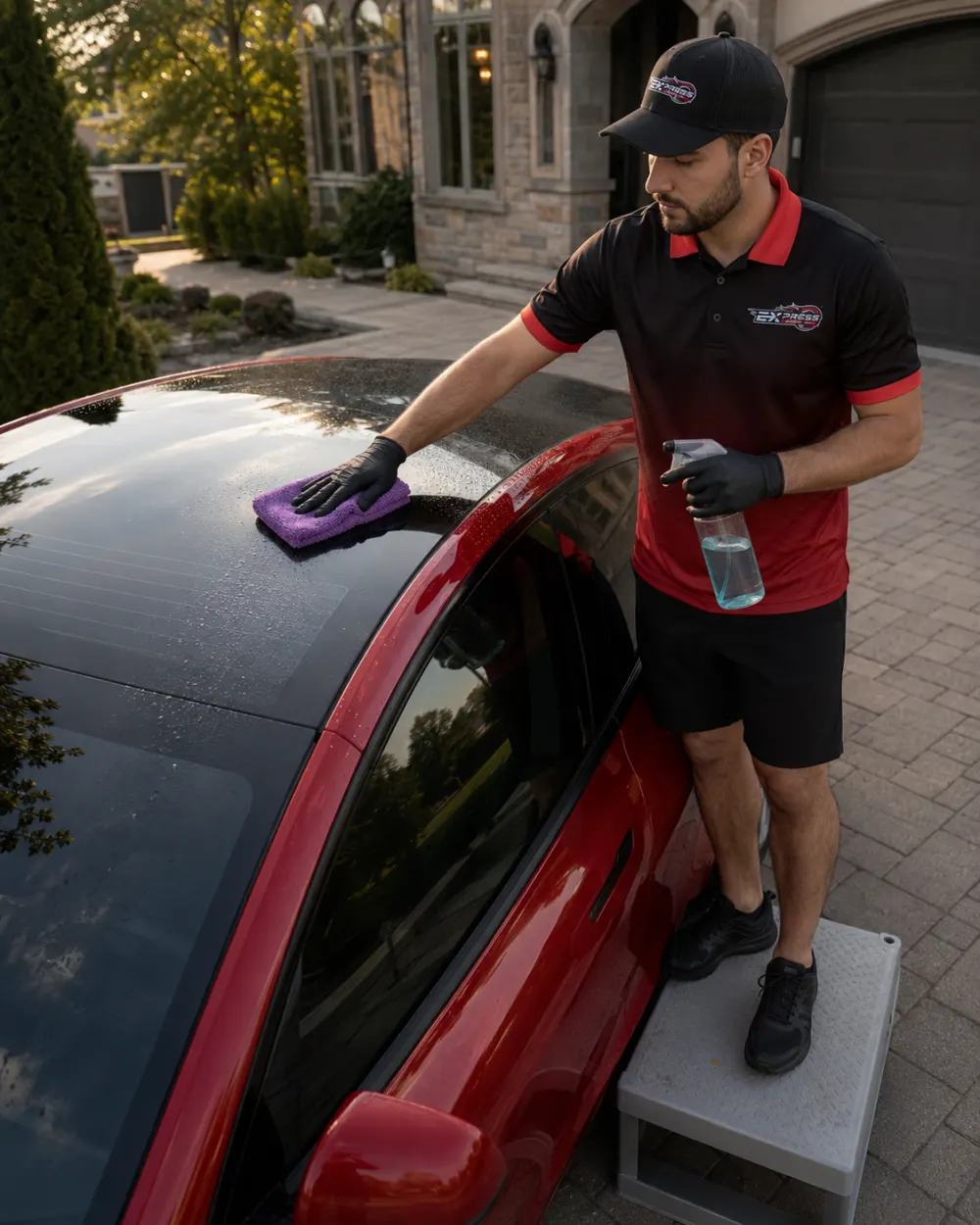
It is new and the first highway season has not happened yet
Stone chips are cumulative and not repairable — each one is paint that is simply gone. Film on an unchipped front end protects something intact rather than what is left.
Film it before the miles →
The car is leased and going back
Chip damage on a leased vehicle is somebody's bill at the end of the term, and it is normally yours. A known cost against an unknown one.
Protect a leased car →
The bumper is already starting to pepper
Once the leading edges start chipping the rate climbs, because the surface is no longer smooth. Film from here stops the progression rather than reversing it, which is still right.
Stop it getting worse →
You commute, and the mileage is all motorway
Sustained highway speed is what turns loose grit into impact damage; the same stone at town speed does nothing. A daily motorway run accumulates it several times faster.
Book paint protection film →
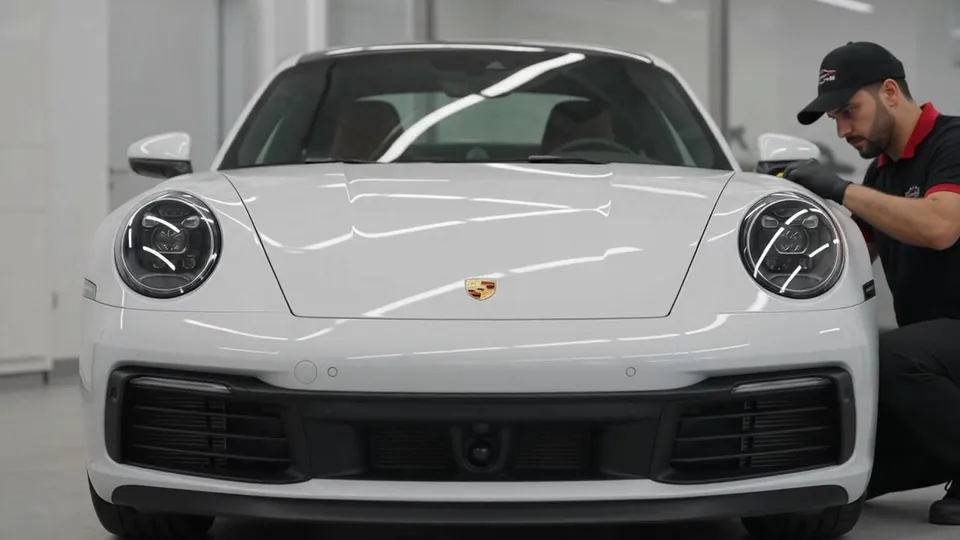
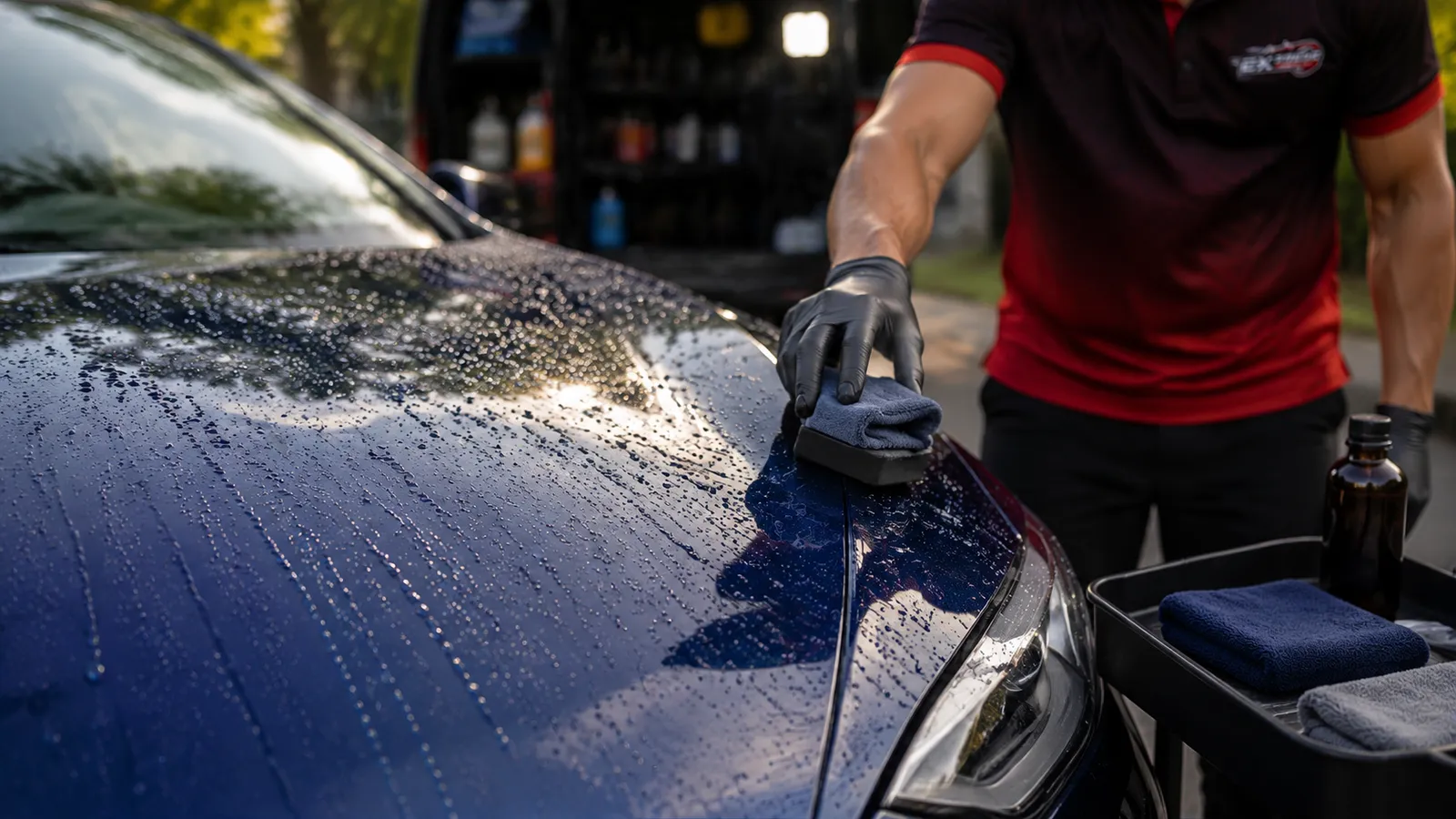
Chemical protection and physical protection are not the same thing.
A ceramic coating changes how water behaves, slows UV damage and makes washing easier. It does nothing at all about a stone at 100 km/h, because it is microns thick and it is not there to absorb impact. Paint protection film is a physical layer that takes the hit instead of the paint. They solve different problems, and coating over film is common precisely because neither replaces the other.
Build your price →
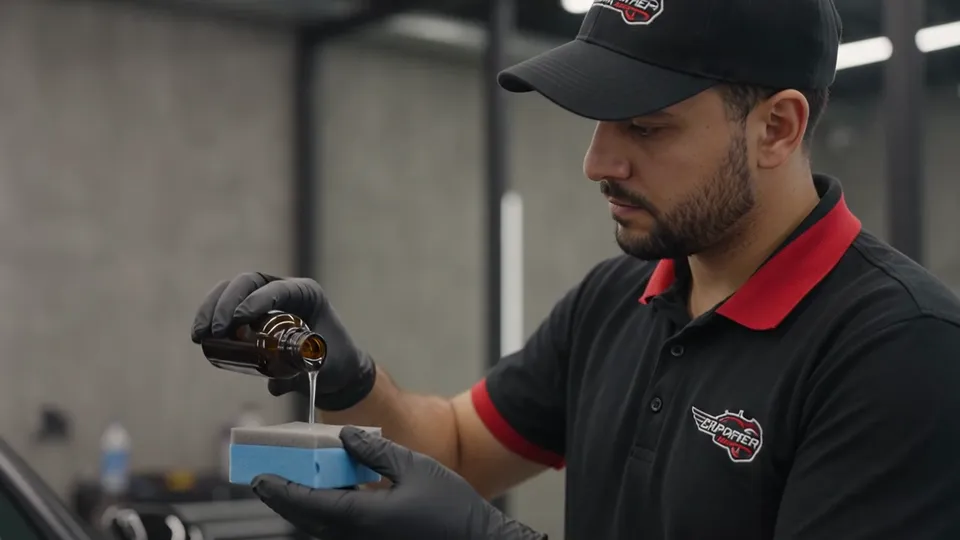
Applied where the vehicle lives
Film needs a genuinely clean surface and unhurried handling at the moment it goes on. Doing it at your address removes the drive home that would otherwise lay fresh road spray onto a freshly filmed panel — which is the part of a shop appointment nobody plans for.
The parts that decide the result.
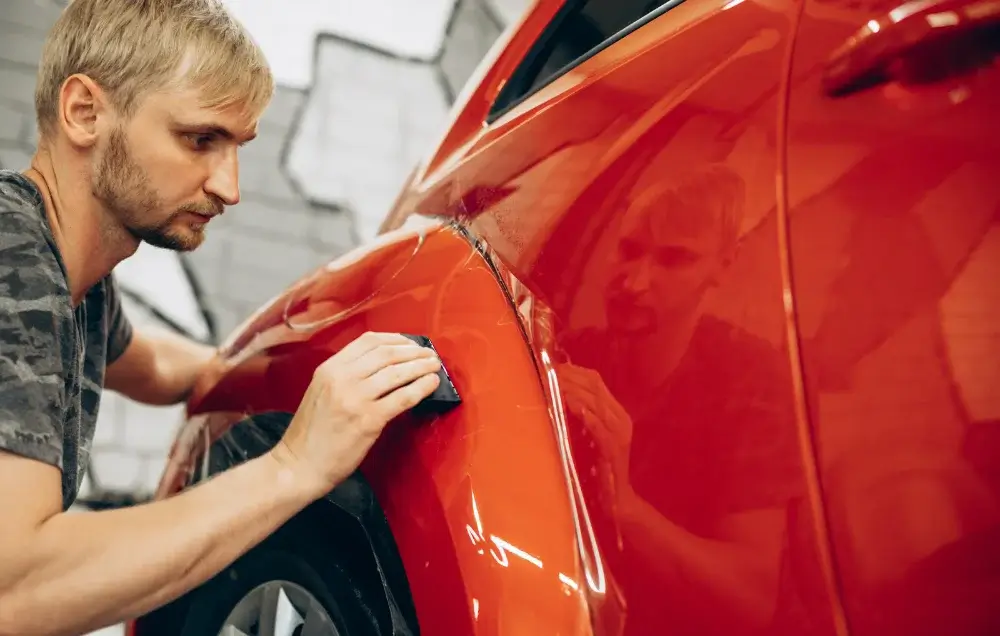
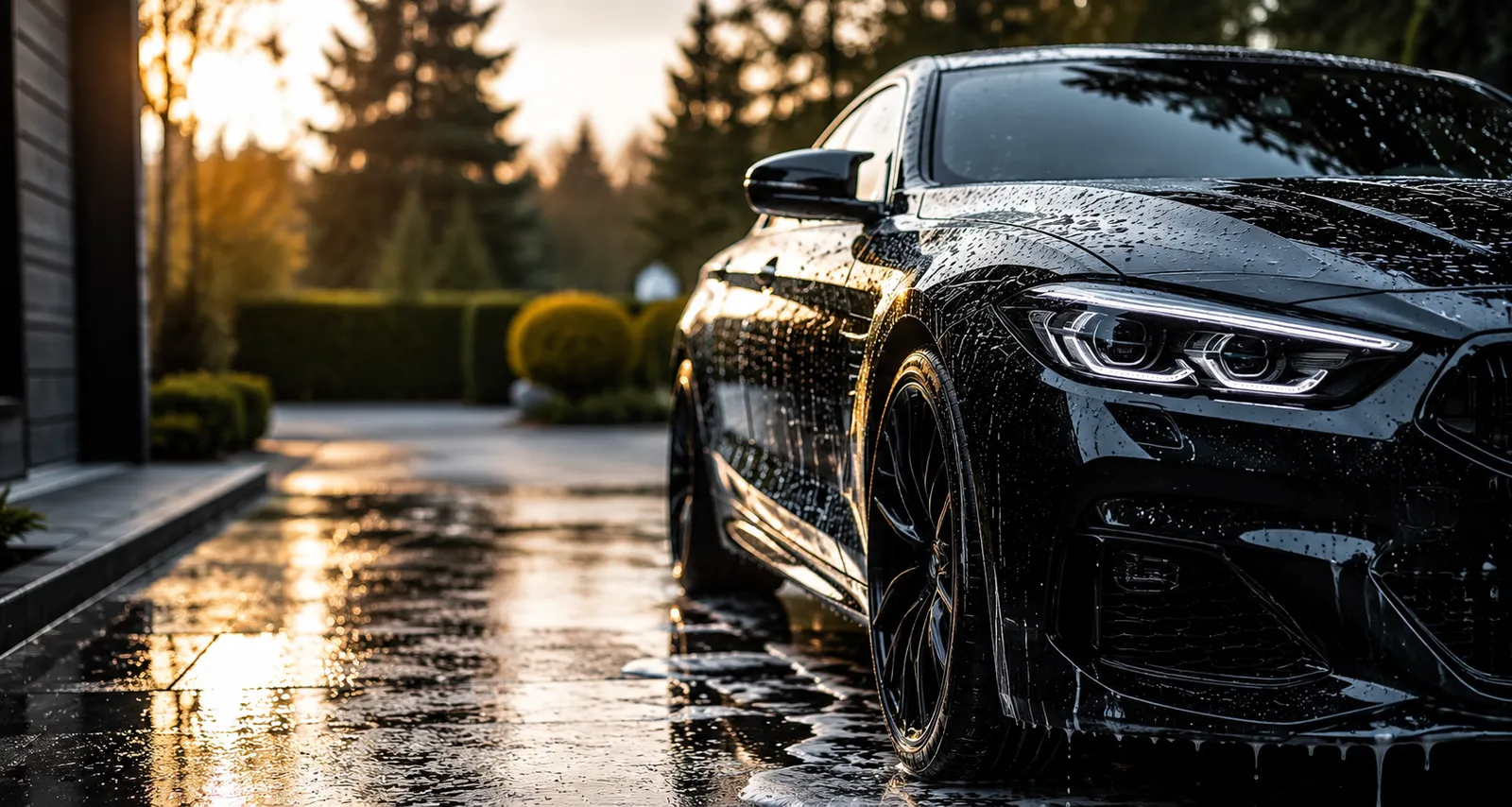


Applied where the vehicle lives.
Film needs a genuinely clean surface and unhurried handling at the moment it goes on. Doing it at your address removes the drive home that would otherwise put fresh road spray onto a freshly filmed panel.
Before you book.
Which panels should I cover?
It depends on how you use the vehicle. Front bumper, bonnet leading edge and mirrors cover most real-world chip damage; full-front adds the whole bonnet and wings. We go through the options against your mileage and roads rather than pushing the largest package.
Does the film really heal itself?
Fine surface marks close up with warmth, which is a real property of the urethane. Deep cuts and impacts that go through the film do not heal — at that point the film has done its job by taking the damage instead of the paint.
Is it visible?
Applied properly, it is very difficult to see on the panel. Edges are the giveaway, which is why they are wrapped or sealed rather than simply cut flush wherever the panel allows.
Can I still get a ceramic coating?
Yes, and it is common. They do different jobs — film absorbs impact, coating handles water, UV and washing. Coating over film also keeps the film easier to clean.
What if the paint already has chips?
Film goes over what is there and seals it in, so existing damage is worth addressing first. We will point out anything we think should be dealt with before the film goes on.
How much does it cost?
It depends on the panels covered, the vehicle and your city. The exact total is shown and agreed in the booking flow before anything is confirmed.
Will the film yellow over time?
Modern urethane films are far more UV-stable than the products that gave film that reputation twenty years ago. Age, sun exposure and how well the surface is maintained all still matter, and a film left dirty for years will not look the same as one that is washed normally.
Can film be removed without damaging the paint?
Applied to sound factory paint and removed properly, yes — that is a large part of why it exists. Where it gets complicated is film over repainted panels or over paint that was already failing, because the adhesive can then take poor paint with it. We will flag that risk before applying if we see it.
What every mobile paint protection film includes.
- Decontamination washTwo-bucket hand wash and clay bar so nothing is trapped under the film.
- Surface preparationPanels cleaned and prepared so the adhesive bonds properly.
- Film applicationApplied to the agreed panels, wrapped around edges where the panel allows.
- Edge sealingEdges worked down so they are not a lifting point later.
- Post-fit inspectionEvery panel checked for lift, trapped debris or misalignment.
- Cure guidanceClear instruction on washing and handling while the adhesive settles.
- Aftercare adviceHow to wash filmed panels so the edges stay down.
- Final inspectionWalked with you before we leave.
What mobile paint protection film actually looks like.
Self-healing urethane film applied to the panels that take the damage — bumper, bonnet leading edge, mirrors and door edges. The film takes the chip so the paint does not.


Wait before the first wash
The adhesive needs time to fully bond. The exact window is explained at handover, and washing early is the most common way a fresh edge gets lifted.
What actually happens on the day.
The appointment follows the same order every time, because the order is what makes the result last.

We go through which panels are worth filming for how you actually use the vehicle. Full-front, partial-front and individual panels are all reasonable answers depending on the car and the mileage.

Anything left on the paint gets sealed under the film permanently, so preparation is not optional.

Film is applied panel by panel and edges are wrapped or sealed so they do not become lifting points.
- Settle and hand overThe adhesive needs time. We explain what to avoid over the next few days before leaving.
What mobile paint protection film fixes — and what it doesn't.
- What it stopsStone chips, road debris, light abrasion, bug etching and general impact damage on the panels it covers.
- What it does not stopAnything on panels it does not cover, and impacts heavy enough to go through the film. It is protection, not immunity.
- What it is notNot a substitute for a ceramic coating and not a cosmetic correction — existing chips and scratches should be addressed before film goes over them.
Every appointment is carried out by Express Mobile Detailing's own trained technicians — not subcontracted — and every mobile visit is fully insured. The company has been detailing vehicles for over ten years and now covers 97 cities across British Columbia, Alberta, Ontario and Nova Scotia.Page reviewed 6 August 2026
How to keep it.
None of this is a warranty — it is just what actually makes the result last, from having watched what undoes it.
- Wait before the first washThe adhesive needs time to fully bond. The exact window is explained at handover, and washing early is the most common way a fresh edge gets lifted.
- Keep the pressure washer off the edgesEdges are where film lifts, and a close, direct jet is the fastest way to find one. Wash edges gently and at a distance, and the film stays invisible.
- Check the edges occasionallyA lifting edge caught early is a simple fix. Left alone it collects dirt, becomes visible, and eventually needs the panel redoing.
- Clean it like paint, otherwiseFilm is not fragile. Normal hand washing, pH-neutral shampoo, no automatic tunnels — the same routine the rest of the vehicle wants.
Build your price.
Pick your service, city and vehicle. The exact total is shown before anything is confirmed.
Other services we bring to you
Useful reading, not written by us
- Transport Canada — road transportationFederal guidance covering vehicle standards and safe road use in Canada.
- Canadian Automobile AssociationIndependent Canadian consumer guidance on vehicle care and ownership.
External links open in a new tab and are not affiliated with Express Mobile Detailing.
