
Mobile Fleet Detailing
On-site detailing for vans, trucks and company cars, on a schedule that works around your operations — so the fleet stays presentable without anyone in your team managing it.
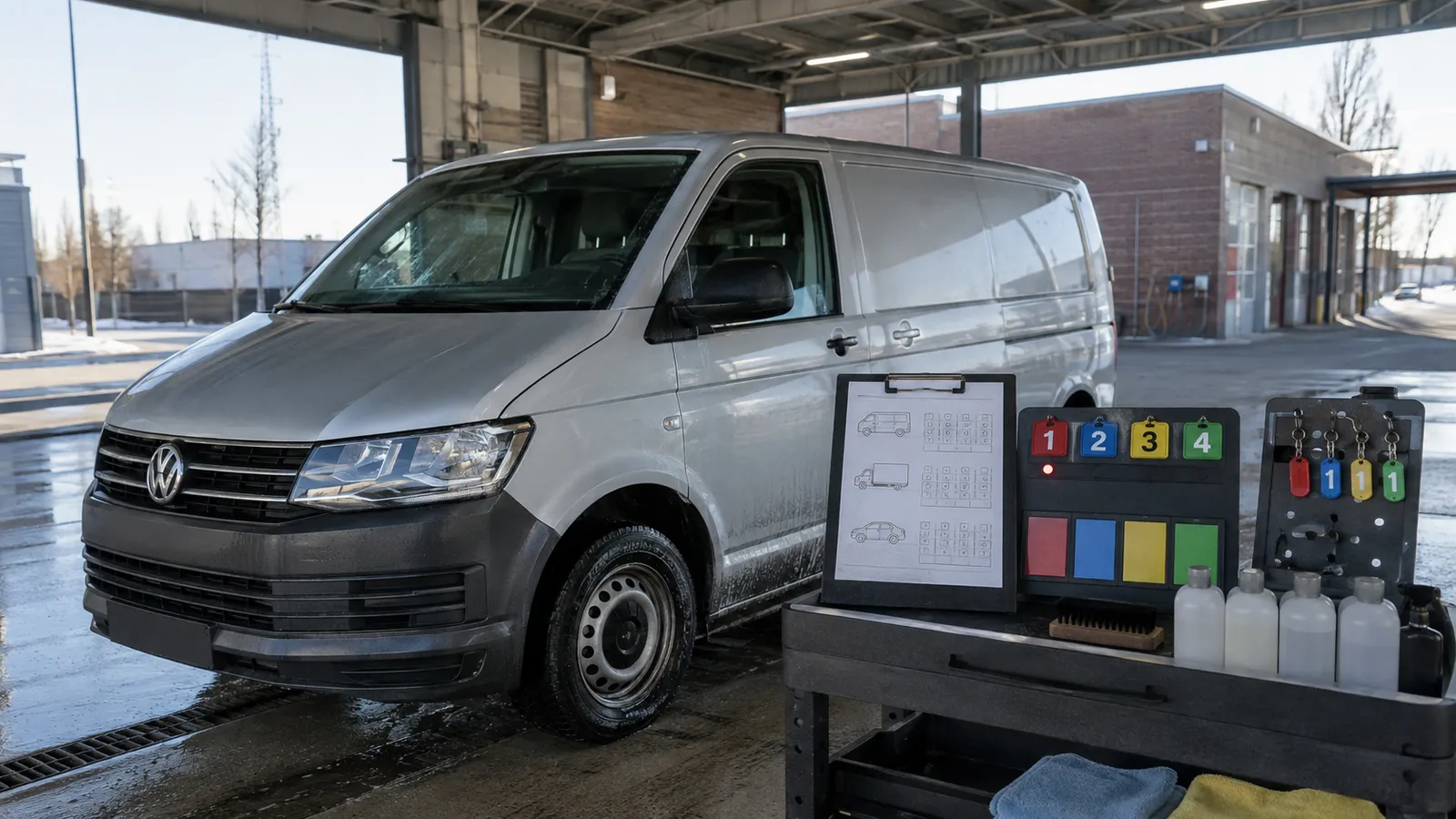
A fleet is a presentation problem.
Every vehicle carrying your name is doing brand work whether you planned it or not. The problem is rarely one dirty van — it is the inconsistency, where three look cared for and the fourth undoes them. A schedule fixes the inconsistency, which is the part customers actually notice.
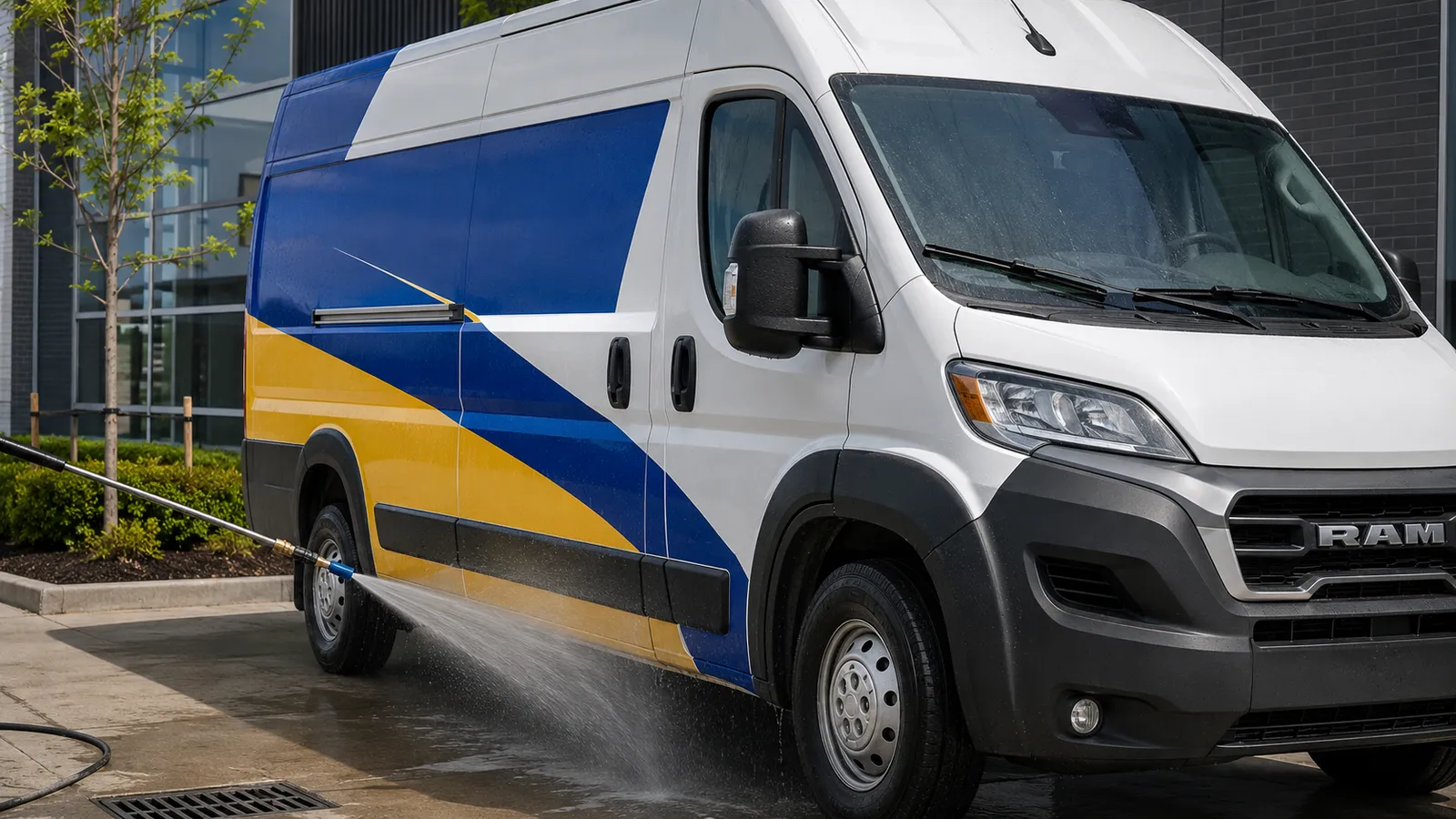
Built around your operations.
Vehicles earn during the day, so the work happens when they are not needed: overnight, at weekends, or in rotation so only a few are ever unavailable at once. The schedule is designed against how your fleet actually runs.

One specification, written down.
Recurring work only stays consistent if the specification is agreed rather than assumed. What is included on each visit is set at the start, so every vehicle gets the same treatment regardless of who is on site that day.

Wrapped vehicles are not painted vehicles.
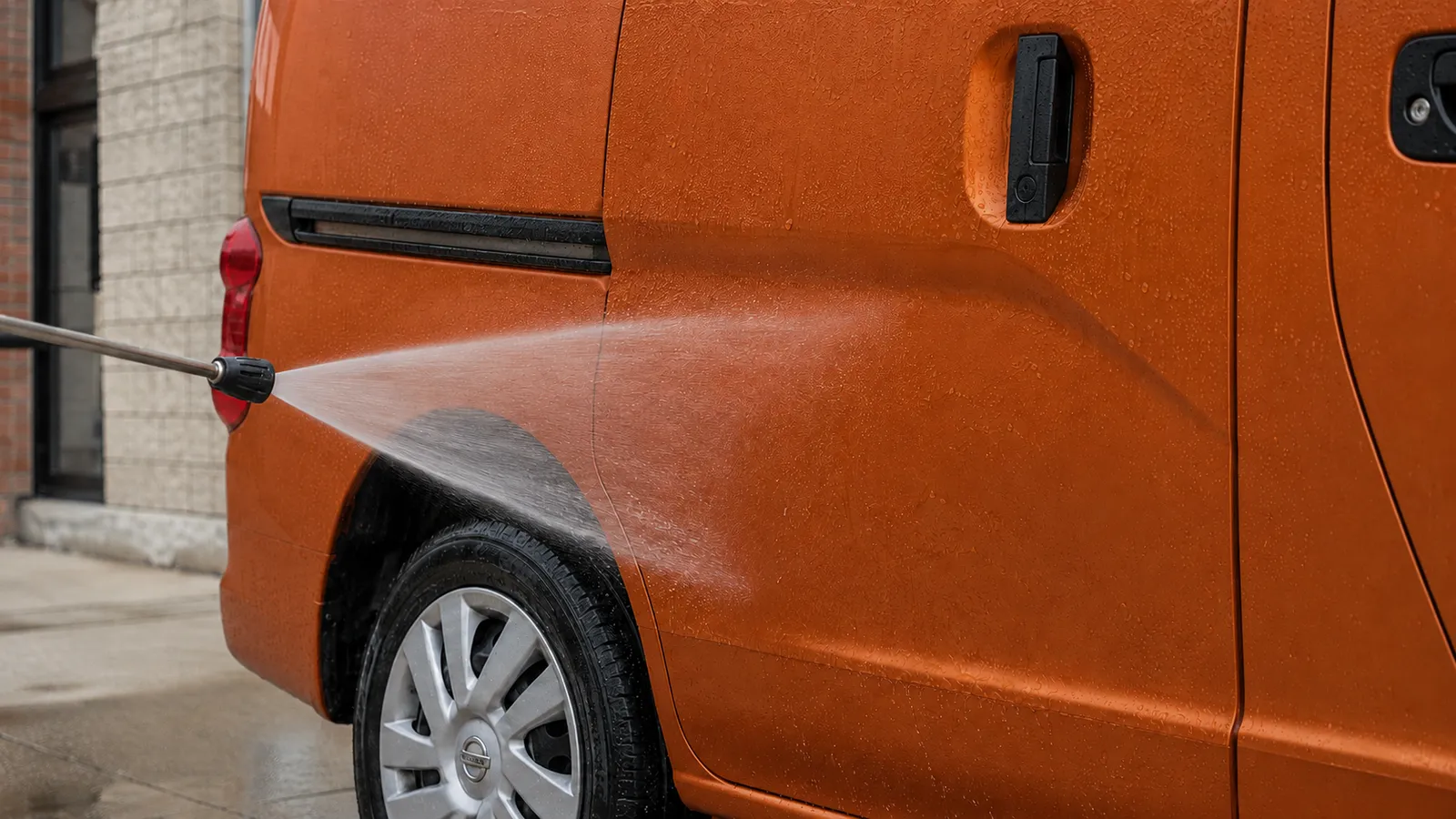
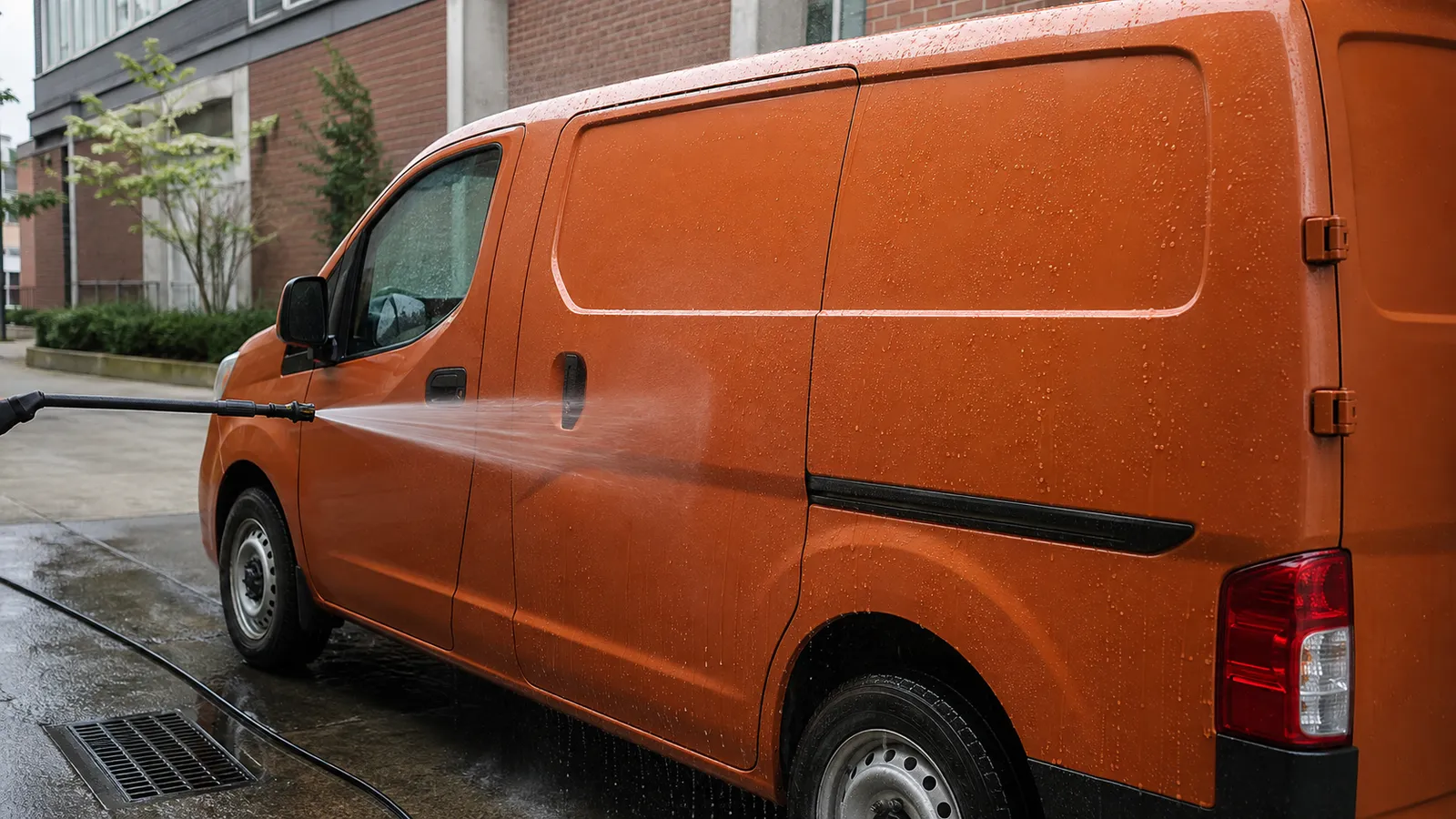
A wrap is a film with edges, and edges lift if they are washed like paint — too much pressure, too close, or hot water held in one place. On a liveried fleet that is not a cosmetic problem, it is a re-wrap bill and a vehicle off the road while it happens. Wrapped and decalled vehicles get appropriate products and technique, which is one of the main reasons a fleet is worth handing to someone who does it repeatedly rather than to whoever is free.

Four moments worth booking fleet detailing for.
The work is the same either way — these are the times it makes the most difference.
The livery has stopped being legible
Vinyl dulls and road film sits on it, and a wrap you paid for as advertising becomes a grey van with something written on it. That is a spend depreciating.
Get the livery back →Your vehicles arrive before your people do
On a customer's driveway the vehicle is the first thing anyone sees, and it is read as a statement about standards. Nobody scores it consciously. Everybody notices it.
Book a fleet visit →Vehicles change hands between drivers
In an operation with turnover, cab condition is set by whoever cared least and it ratchets down. A scheduled rotation resets that floor without anyone having a conversation.
Set up a rotation →The whole fleet has just come through winter
Brine does the same to thirty vehicles as to one, except nobody owns the problem on any single unit. One pass in early spring, scheduled as a single visit.
Book the spring pass →
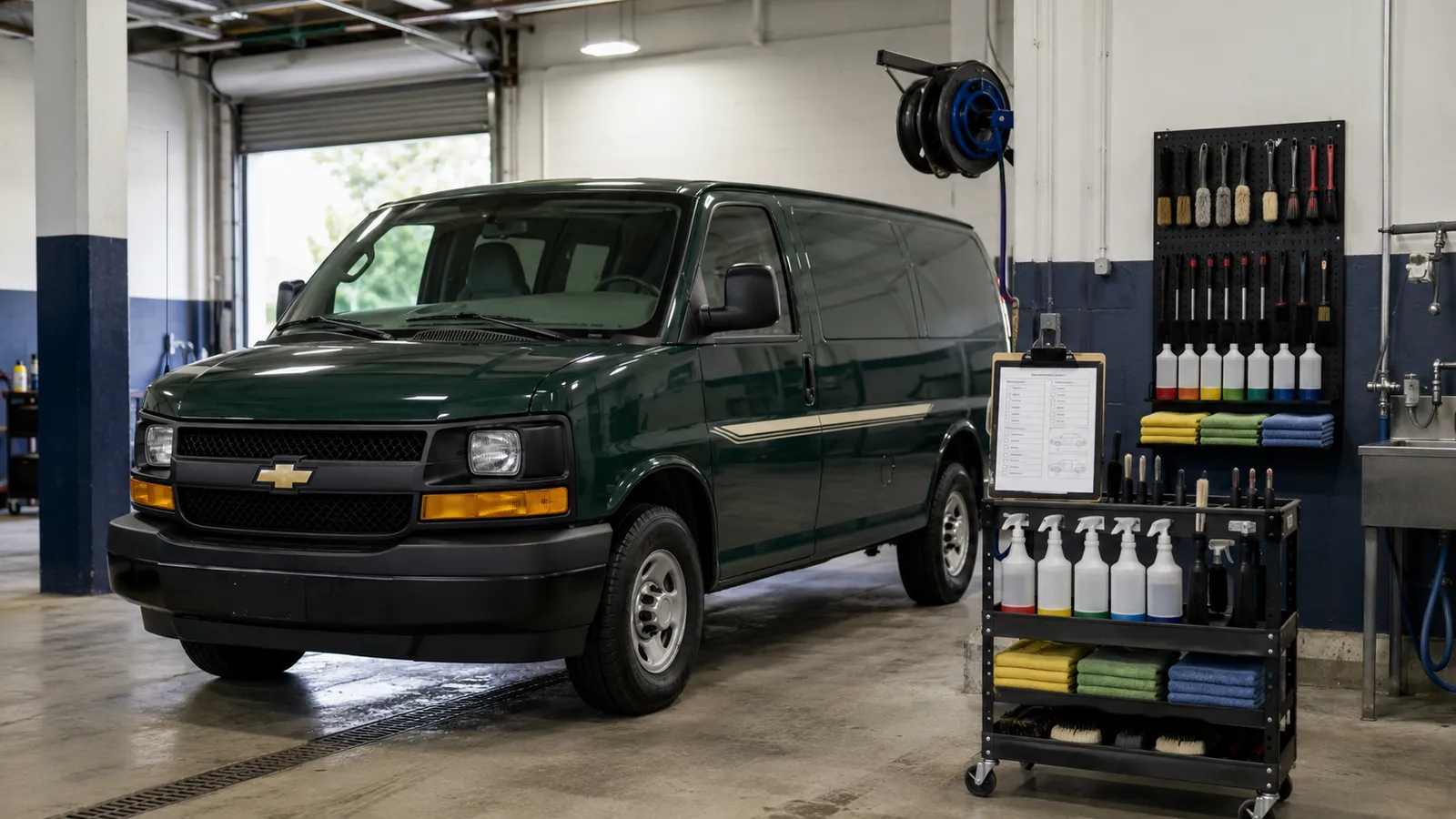
Whoever is free is not the same as whoever does it repeatedly.
Fleet cleaning handed to whichever hands are available produces a different standard every time, and the standard drifts downward because nobody owns it. An agreed specification applied on a cycle produces the same vehicle every visit, which is the only version of this that a customer or a driver actually notices. The specification is set once, at the start, and then applied.
Build your price →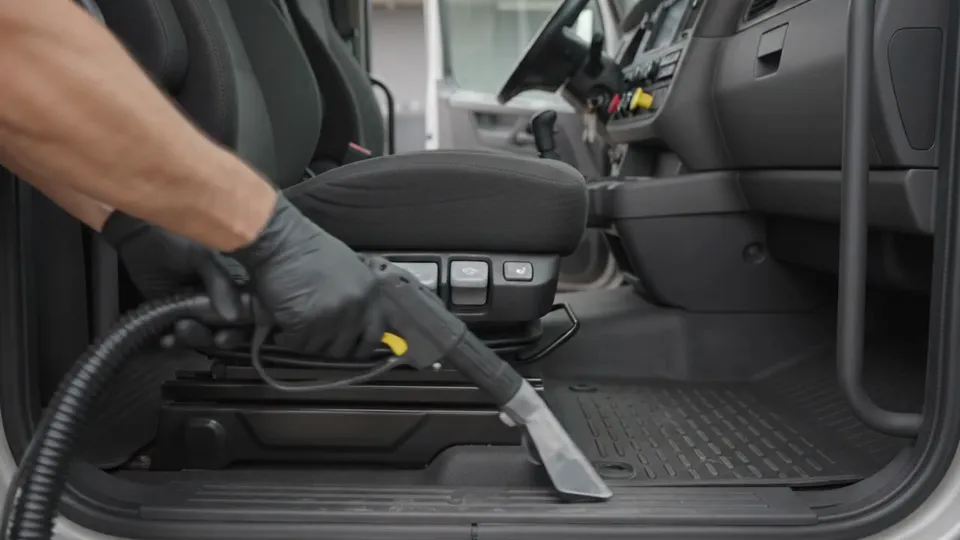
Wrapped vehicles need different technique
A wrap is a film with edges, and edges lift when they are washed like paint — too much pressure, too close, or hot water held in one place. On a liveried fleet that is not a cosmetic problem, it is a re-wrap bill and a vehicle off the road while it happens.
The parts that decide the result.

On your site, in rotation.
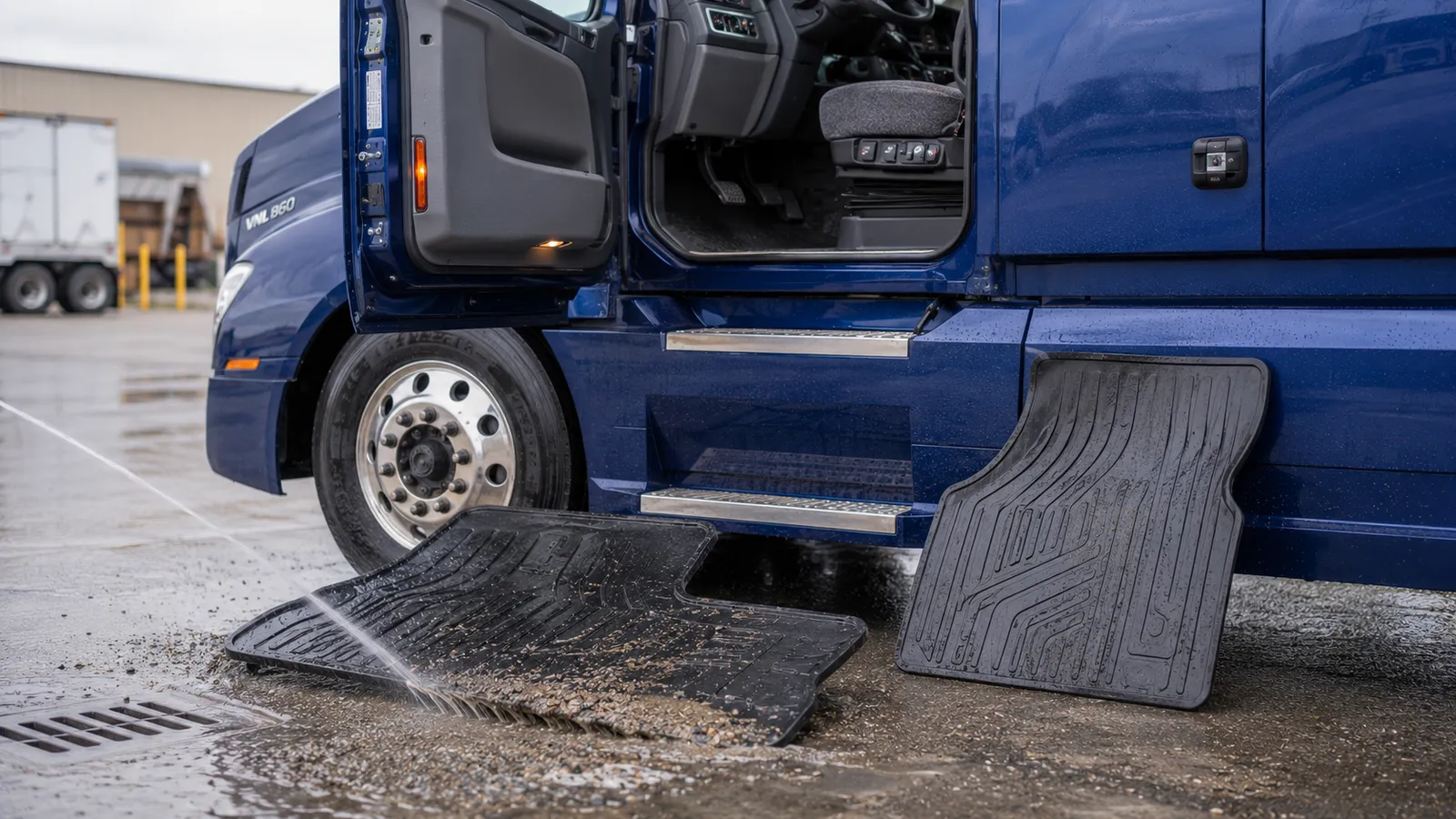
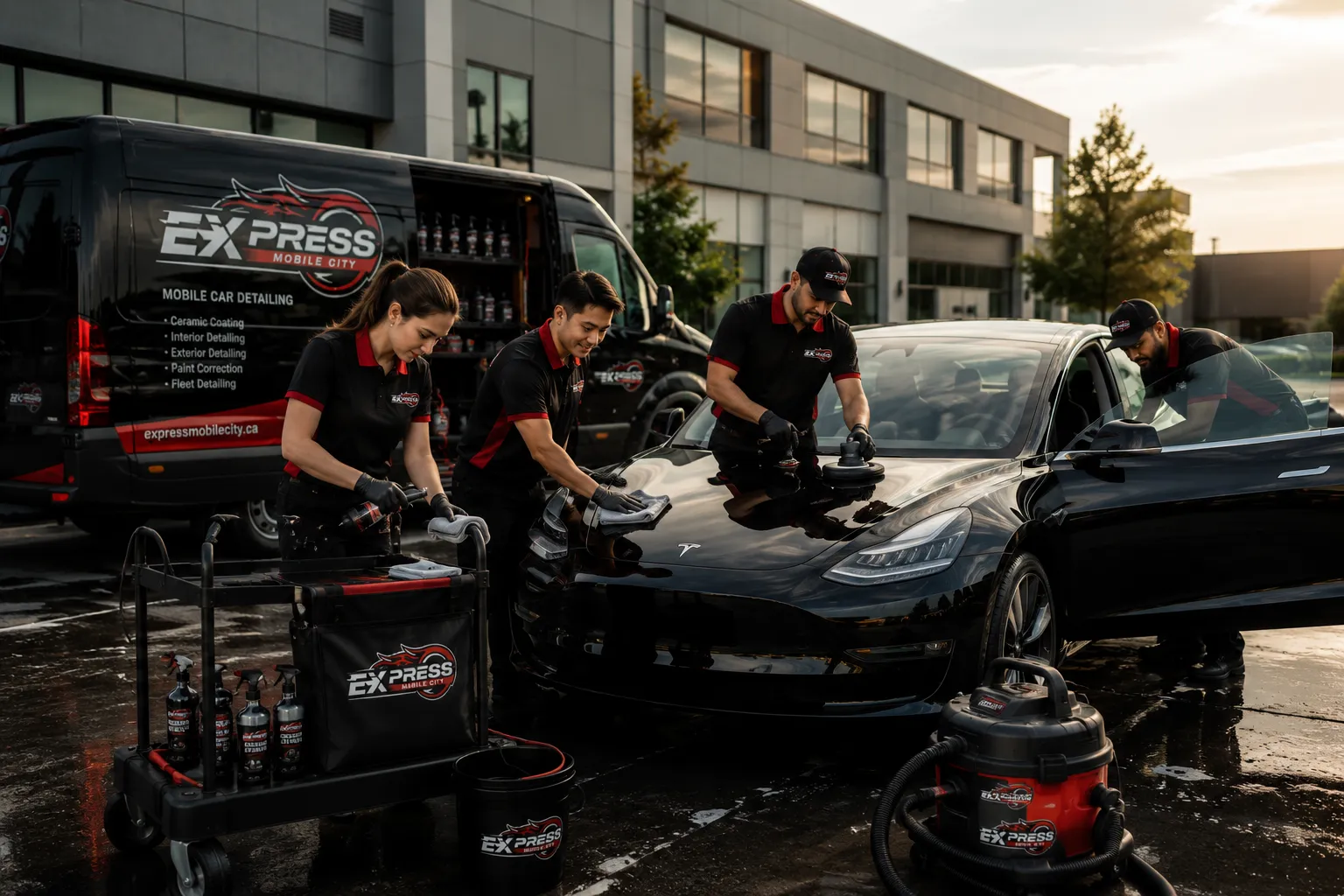
Depot, yard, or wherever the vehicles sit overnight. Rotating through the fleet means the operation never loses more than a small number of vehicles at any one time, and the cycle repeats without anyone having to organise it.
What mobile fleet detailing actually looks like.
On-site detailing for vans, trucks and company cars, on a schedule that works around your operations — so the fleet stays presentable without anyone in your team managing it.
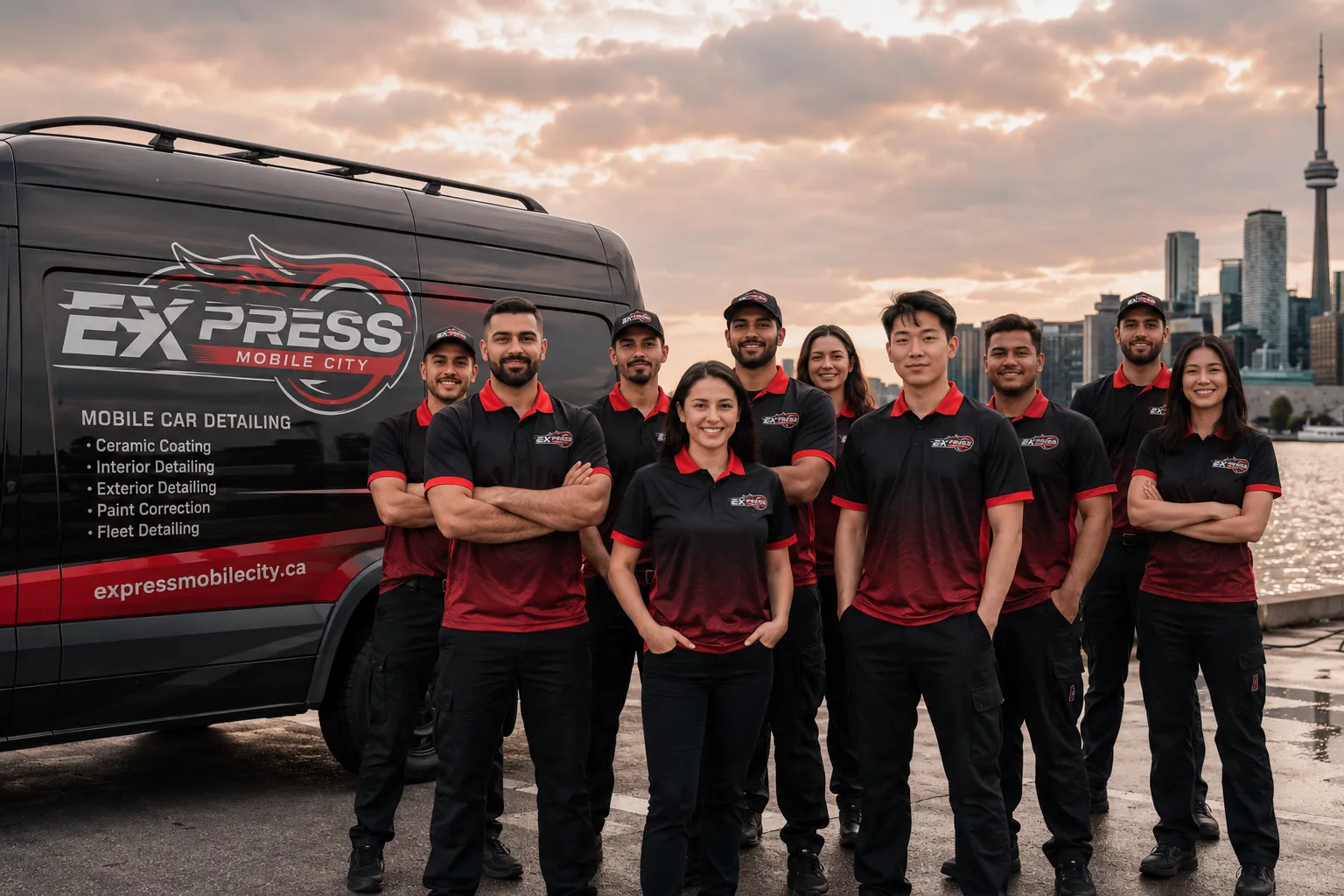

Driver habits decide the interior
No cleaning schedule survives a cab used as a bin. A short, clear expectation set with drivers does more for interior condition between visits than increasing the frequency.
What actually happens on the day.
The appointment follows the same order every time, because the order is what makes the result last.
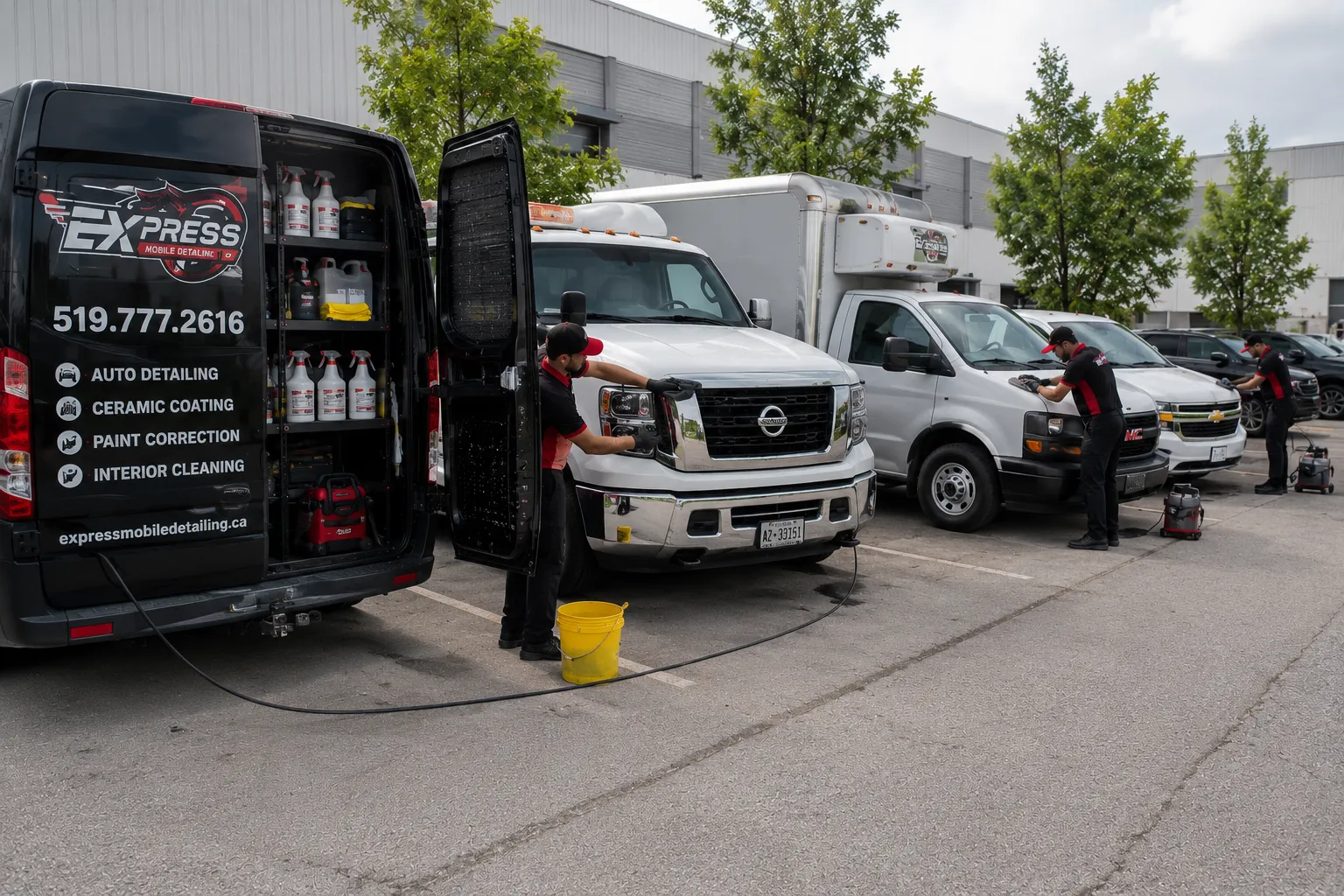
How many vehicles, what types, where they sit, when they are actually available. The schedule is built from that rather than from a standard package.

Exactly what each visit includes for each vehicle type, written down so it does not drift between visits.
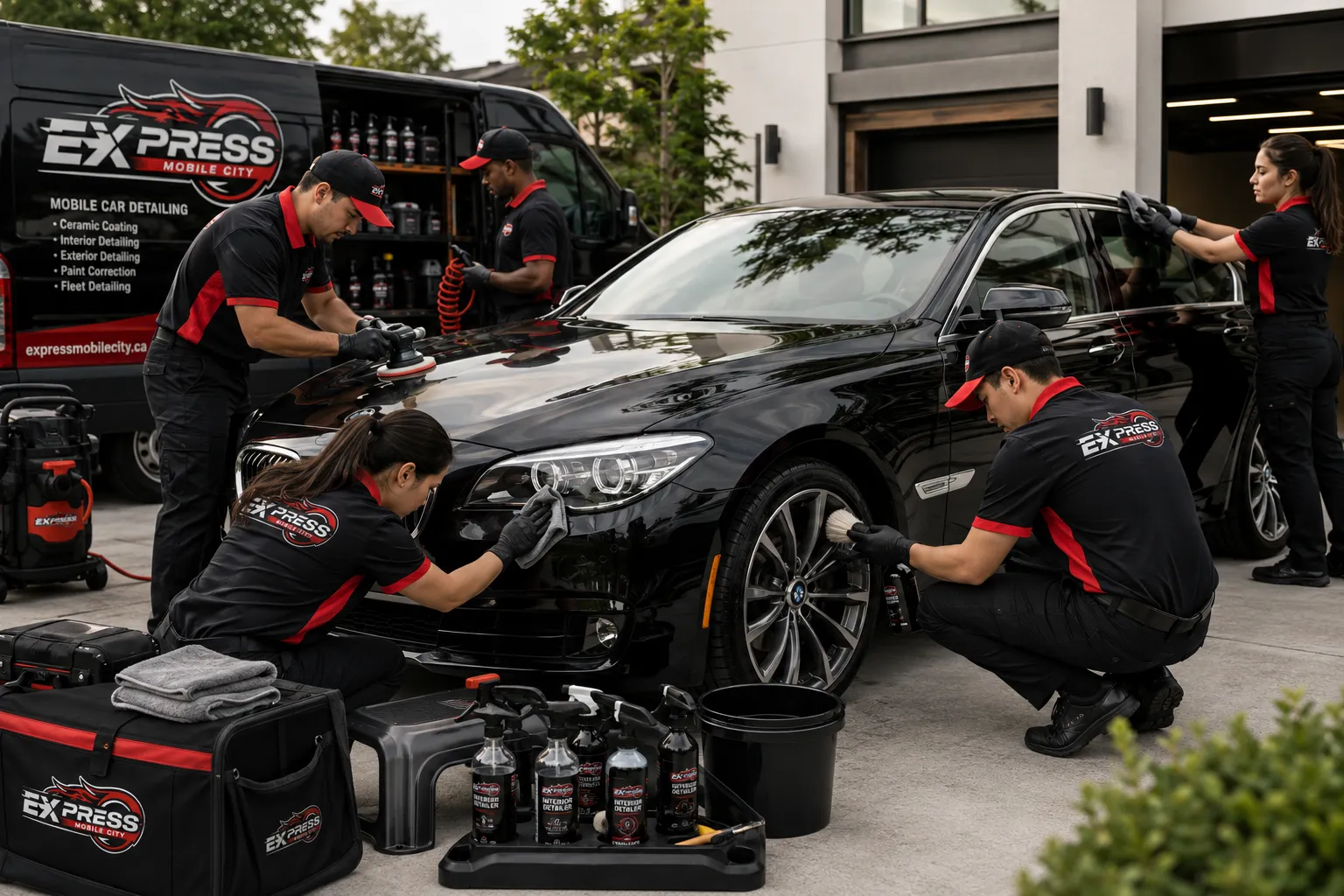
Vehicles are cycled so only a manageable number are unavailable at once, at times that suit your operation.
- Run it, and keep it consistentThe cycle repeats without your team managing it, to the same specification every time.