Mobile Paint Protection Film in St. Catharines
Paint Protection Film at your home or office in St. Catharines, Ontario. We cover St. Catharines and the rest of the Niagara Region as part of our regular service area — included.
Why Mobile Paint Protection Film in St. Catharines is different
What this place does to a vehicle, and what that changes about the work.
the QEW is a stone-chip problem, not a wash problem.
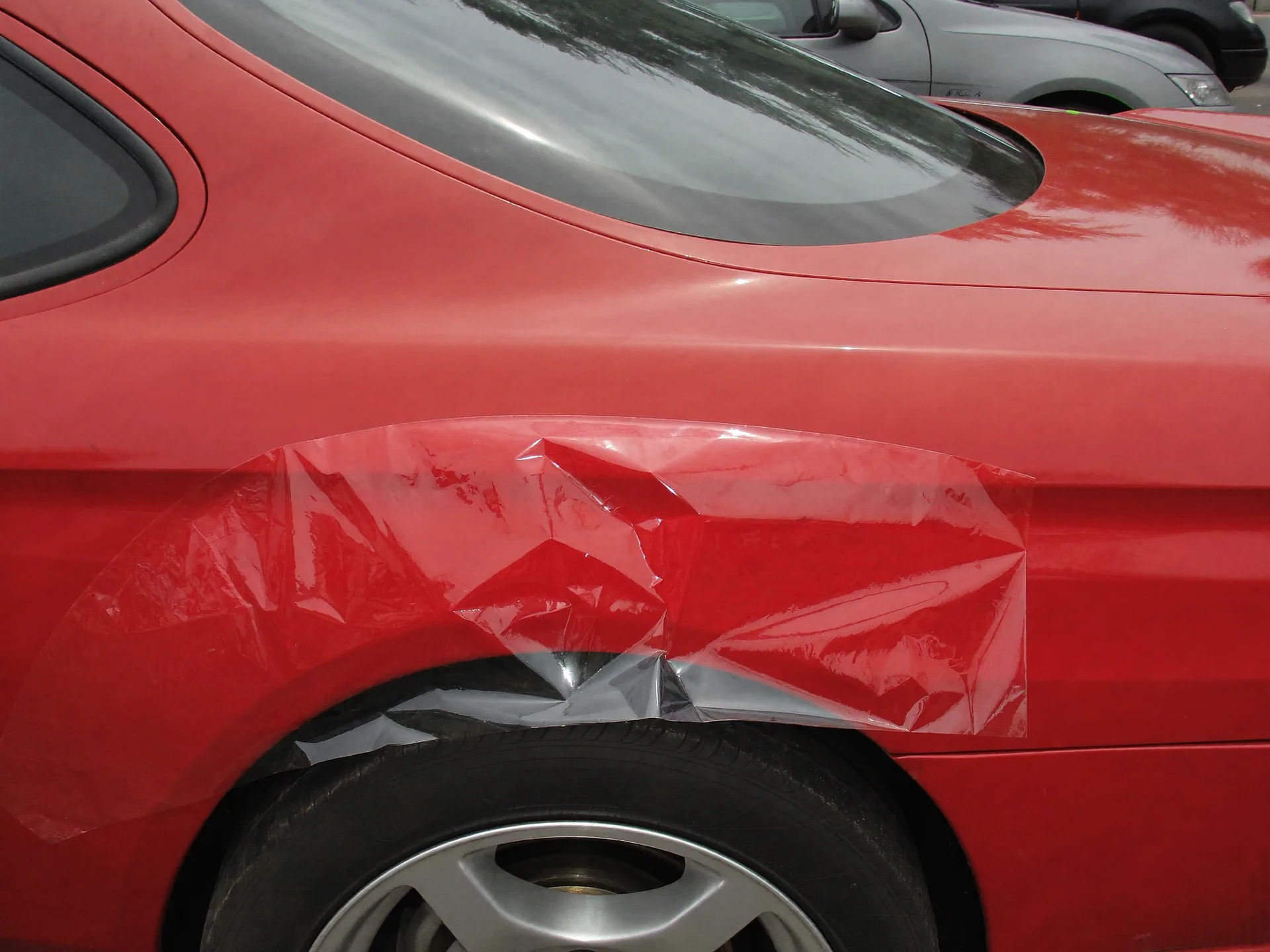
Sustained highway speed is what turns loose grit into paint damage, and drivers in St. Catharines do a lot of it. Chips cluster where physics puts them — front bumper, bonnet leading edge, mirror caps, and the strip behind the front wheels — which is why partial-front coverage removes most of the real-world risk.

Winter grit makes it seasonal.
Ontario spreads sand and grit as well as salt, and the roads in the Niagara Region throw far more material in February than in July. If a vehicle is going to be filmed, doing it before winter rather than after is the difference between protecting paint and covering damage that has already happened.

Film protects; it does not tidy up.
Film goes over what is already there and seals it in, so existing chips are worth addressing before it is applied. That is a sequencing point rather than an upsell — better said before the film is on than after.
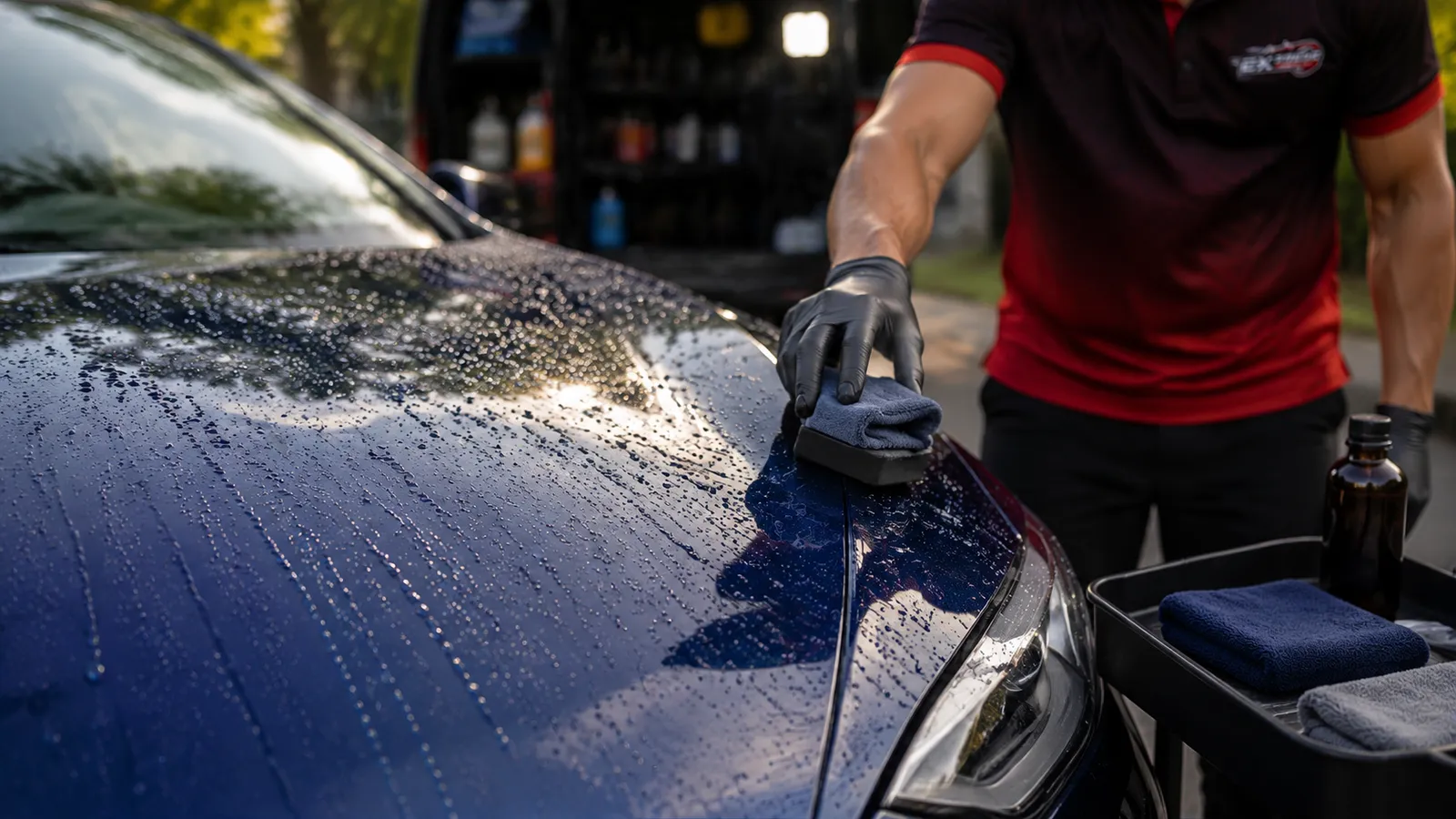
Film goes on against a clock the City publishes for you.
An install needs a clean, dry, still environment and a vehicle that stays put well past the work itself. What makes that plannable here is that the City publishes when its own operations happen — thresholds of two and a half, five and eight centimetres by road class, and target times of two, four, five, eight, sixteen and twenty-four hours depending on where you are. You can read that chart and know which days around a storm are realistic for a controlled install and which are not, rather than guessing.

Sand is the specific argument for film in this city.
Residential roads here are sanded rather than salted, and sand thrown off a road surface is precisely the mechanism film exists to defend against — abrasive particles striking leading edges, lower doors and the areas behind the wheels at speed. That is a more concrete case for protection than a general appeal to winter. It also points at where the film is worth putting: the surfaces that meet thrown material first, rather than an even wrap of everything.
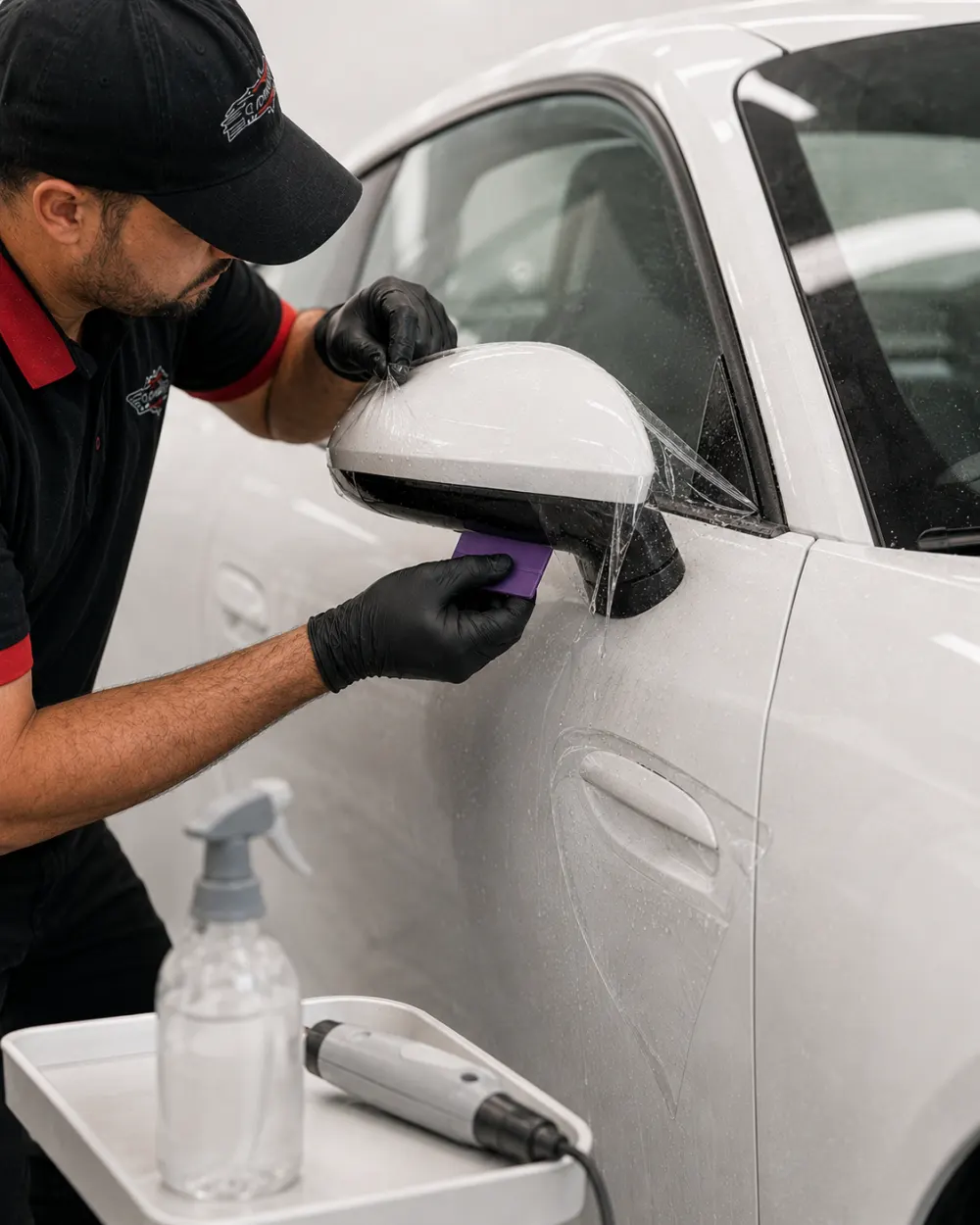
And the ban decides the day, as it does for everything here.
Because bans are declared from forecasted weather rather than on fixed dates, and the City's advice once one is called is to plan to park off street for at least seventy-two hours, an install booked against a kerbside position is exposed in a way it would not be elsewhere. Film work happens in a driveway, a garage or an arranged space. Establishing that first is not bureaucracy; it is what stops a controlled job becoming an interrupted one.

Four moments worth booking for.
The work is the same either way — these are the times it makes the most difference in St. Catharines.
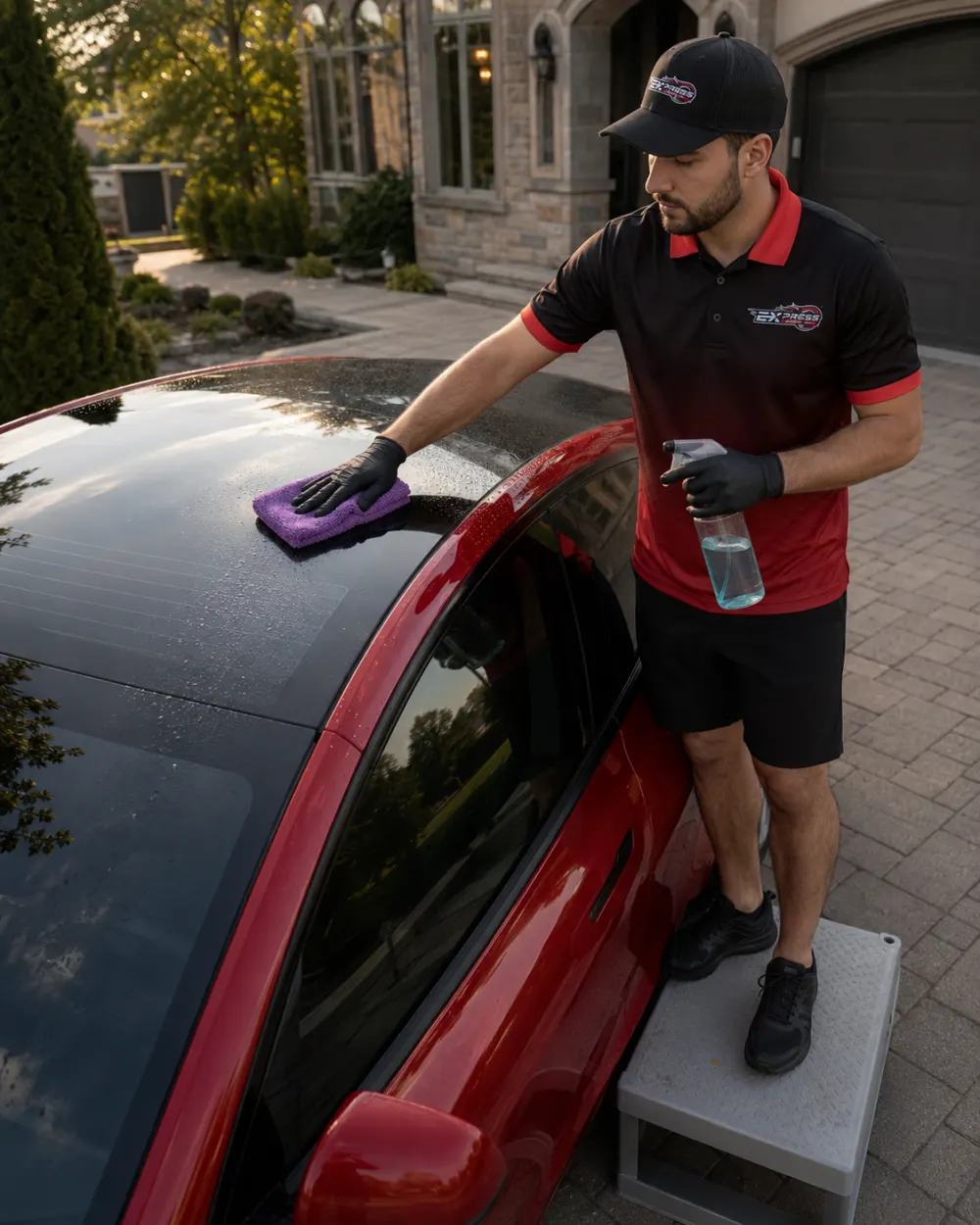
Book it before the grit season, not after
the Niagara Region spreads sand and grit as well as salt, and the roads throw far more of it in February than in July. Film in autumn protects through the season that causes the chipping.
Get filmed before winter →You would rather not lose the afternoon
Detached and semi-detached housing with a driveway is the norm in St. Catharines, which is the easiest case there is — the technician works around the vehicle exactly where it already sits and you carry on with your day indoors. This one matters more than most: both a coating and film need an unhurried application on a genuinely clean, dry surface, and undisturbed time afterwards. A driveway gives you that in a way a time-limited visitor bay does not.
Book at your address →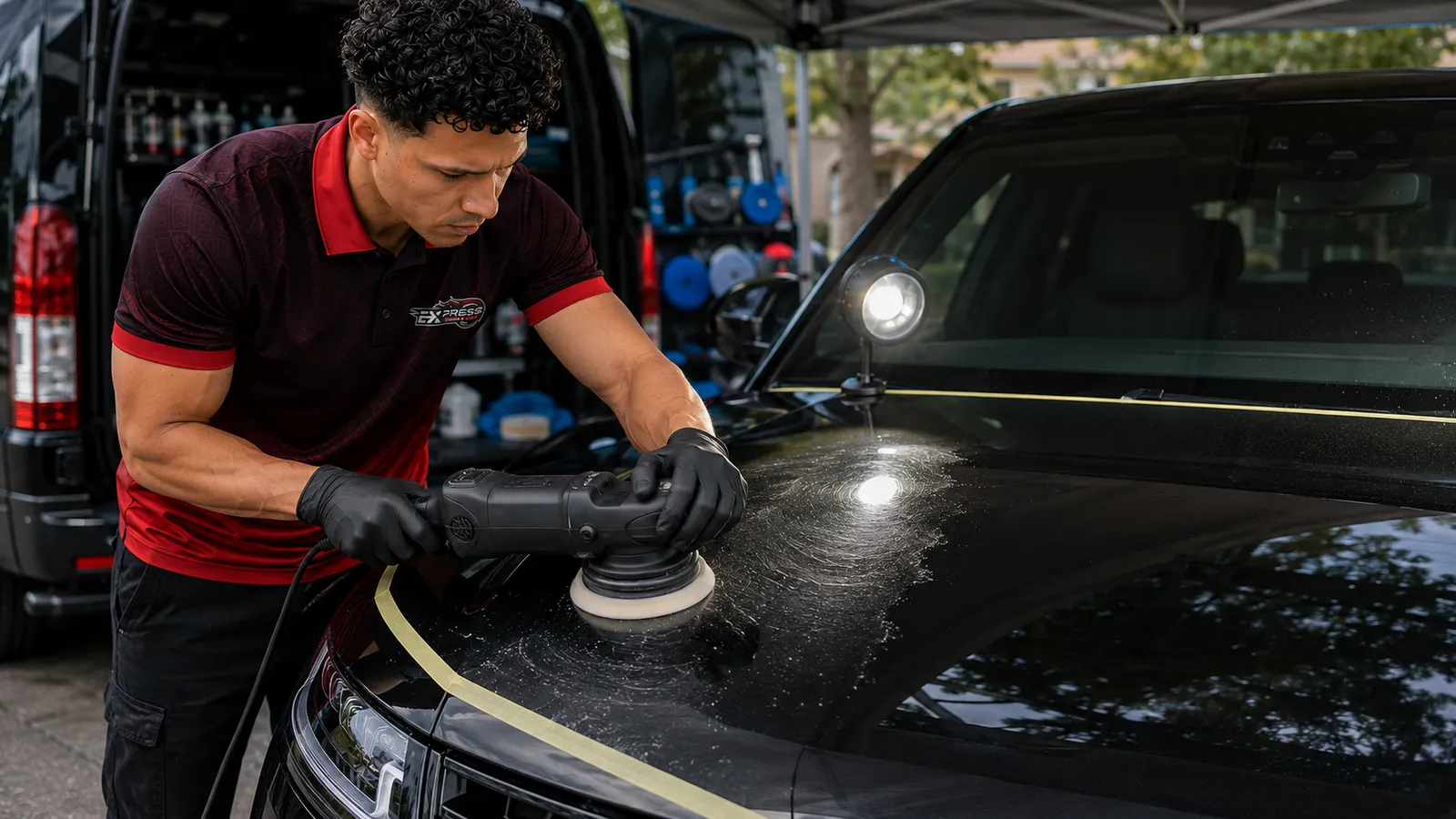
It is outside twelve months a year
Housing in St. Catharines usually means a driveway rather than a garage, so paint takes UV all summer and freeze-thaw all winter. That is what flattens a clear coat in a few years. Film does nothing about UV, and it is the only thing that does anything about the stone that hits the bumper on the way to work.
Book protection →The front bumper has started to pepper
Sustained speed on the QEW is what turns loose grit into paint damage, and drivers here do a lot of it. Chips cluster exactly where physics puts them — front bumper, bonnet leading edge, mirror caps, the strip behind the front wheels — which is why partial-front coverage removes most of the real risk for a St. Catharines commuter.
Book paint protection film →What Mobile Paint Protection Film in St. Catharines looks like up close
Detached and semi-detached housing with a driveway is the norm here, which is the easiest case — the technician works around the vehicle where it already sits. The exceptions worth flagging are the newer condo and townhouse developments, where parking is assigned or visitor-only. Film work here is scheduled against the City's published thresholds and target times, and against a confirmed off-street position rather than a kerb.
Wait before the first wash
The adhesive needs time to fully bond. The exact window is explained at handover, and washing early is the most common way a fresh edge gets lifted.
the QEW is why the tunnel is not enough.
An automatic wash removes loose dirt and it is genuinely fast. What it cannot do is separate the grit it just collected from the next car's paint, and it cannot touch anything chemically bonded — which on a QEW vehicle is most of what is actually on it. Sustained highway speed lays road film across the lower panels continuously, and that needs a pre-rinse, two buckets and clay to remove.
Book in St. Catharines →The vehicle never leaves your driveway
No drop-off, no waiting room, no arranging a lift home and back. The technician works around the vehicle exactly where it already sits, and walks the finished result with you before leaving — so anything missed is put right on the spot rather than on a second visit.
How a St. Catharines appointment actually works.
The practical detail — how far we travel, what the day needs from you, and when in the year it is worth booking in the Niagara Region.
Where we travel from, and to
St. Catharines is inside the regular the Niagara Region round rather than a special journey, and are covered on the same runs. That mix of detached housing and short distances is why St. Catharines appointments tend to run to time — there is rarely a long leg between one address and the next.
What the vehicle needs on the day
Somewhere the technician can walk fully around it, which a St. Catharines driveway almost always allows. You do not need to be home for the whole appointment, only to hand over access.
When it is worth booking here
Twice a year is the rhythm that actually holds: once when the roads are cleared and the winter's residue is still in the seams, and once in autumn so the protection is on before the salt is. On a QEW vehicle the spring one matters most, because there is simply more on it.
Paint Protection Film as it actually runs.
Where we work in St. Catharines.
Detached and semi-detached housing with a driveway is the norm here, which is the easiest case — the technician works around the vehicle where it already sits. The exceptions worth flagging are the newer condo and townhouse developments, where parking is assigned or visitor-only. Film work here is scheduled against the City's published thresholds and target times, and against a confirmed off-street position rather than a kerb.
St. Catharines, on the day.
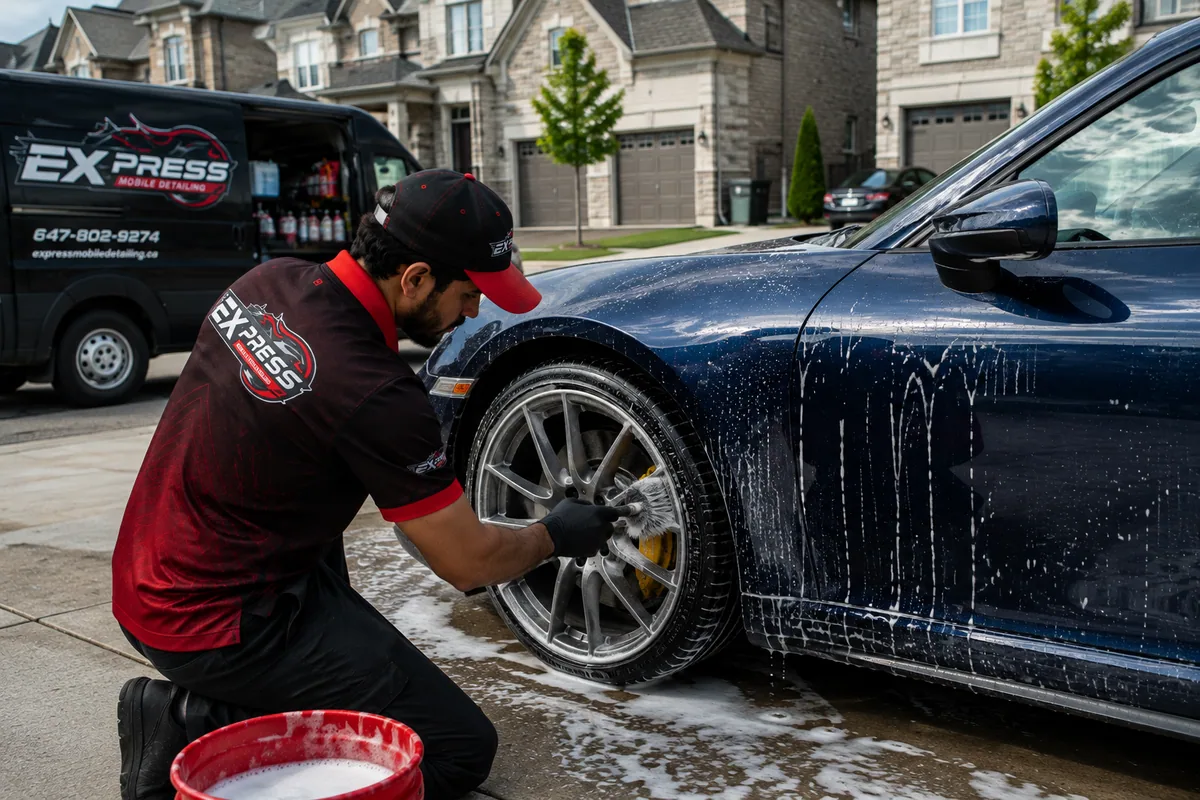
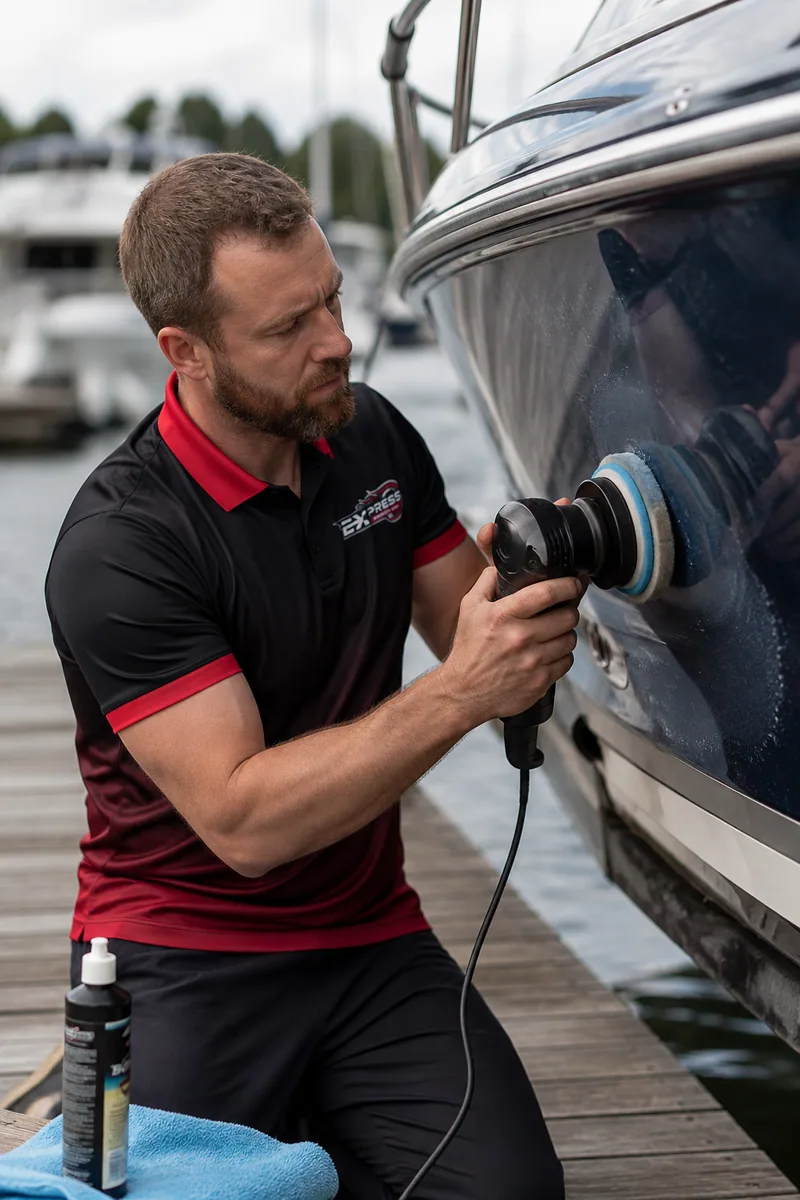
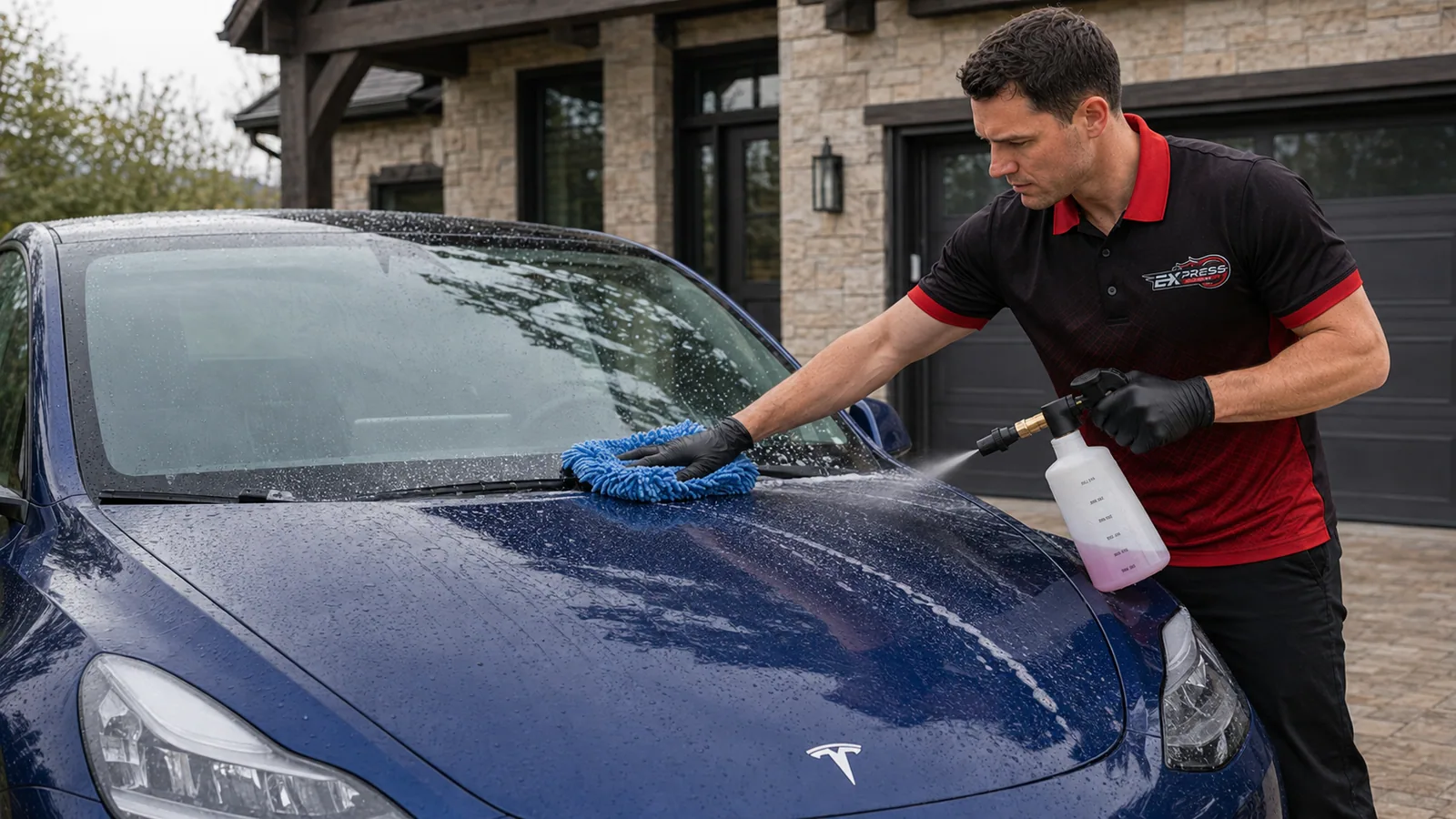
Recent work from our vans across the Niagara Region — paint protection film and everything that travels with it.