Mobile Boat Detailing in St. Thomas
Boat Detailing at your home or office in St. Thomas, Ontario. We cover St. Thomas and the rest of Elgin County as part of our regular service area — Aylmer included.
Why Mobile Boat Detailing in St. Thomas is different
What this place does to a vehicle, and what that changes about the work.
Trailered, not moored.
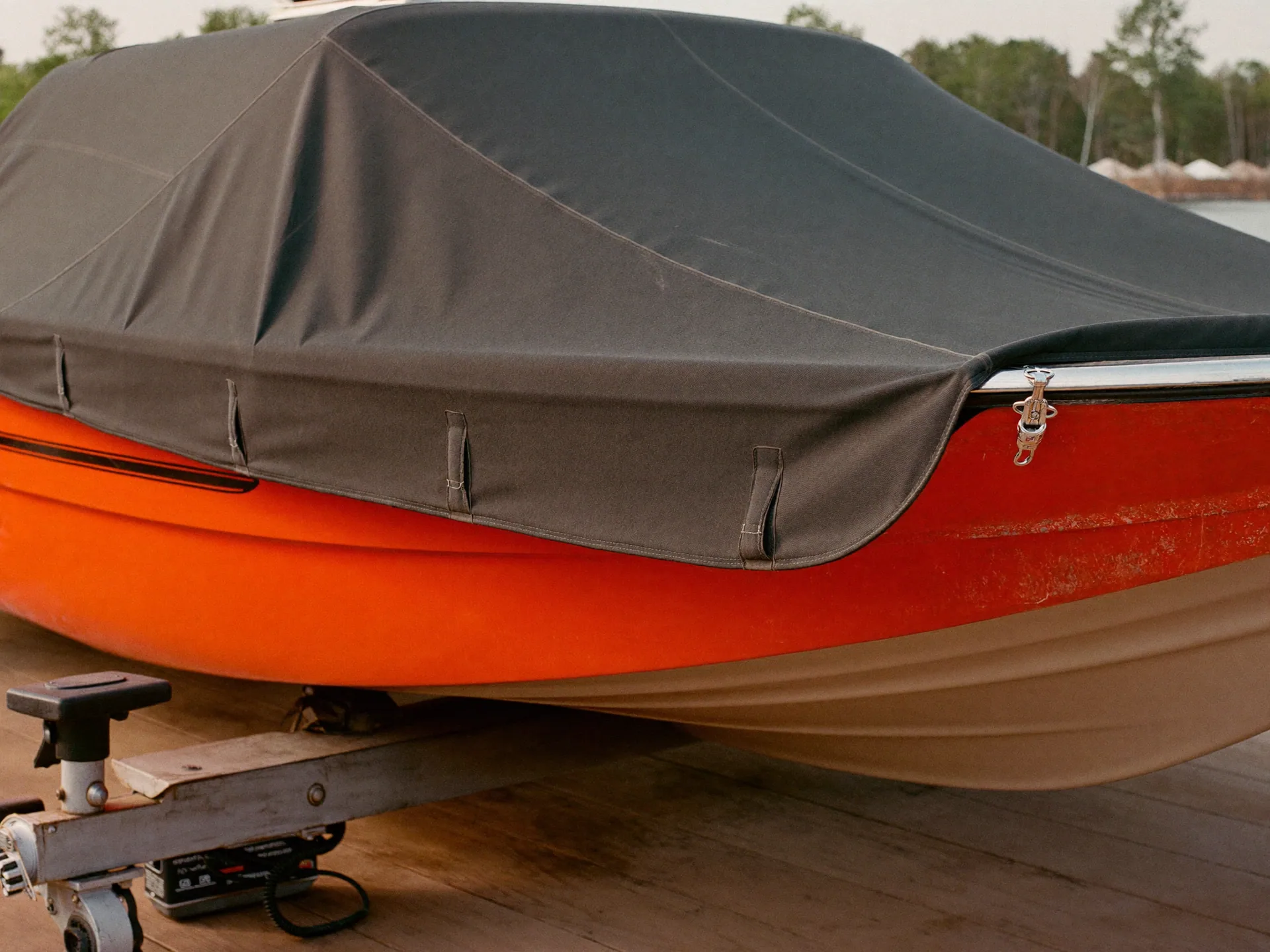
Most boats around St. Thomas are trailered to the water rather than kept in a slip, which is the easier case to work on — the whole hull is reachable in a yard or driveway. It also means the hull spends less time sitting in one spot, so waterline staining tends to be lighter than on a moored boat.
A short season, then a long haul-out.
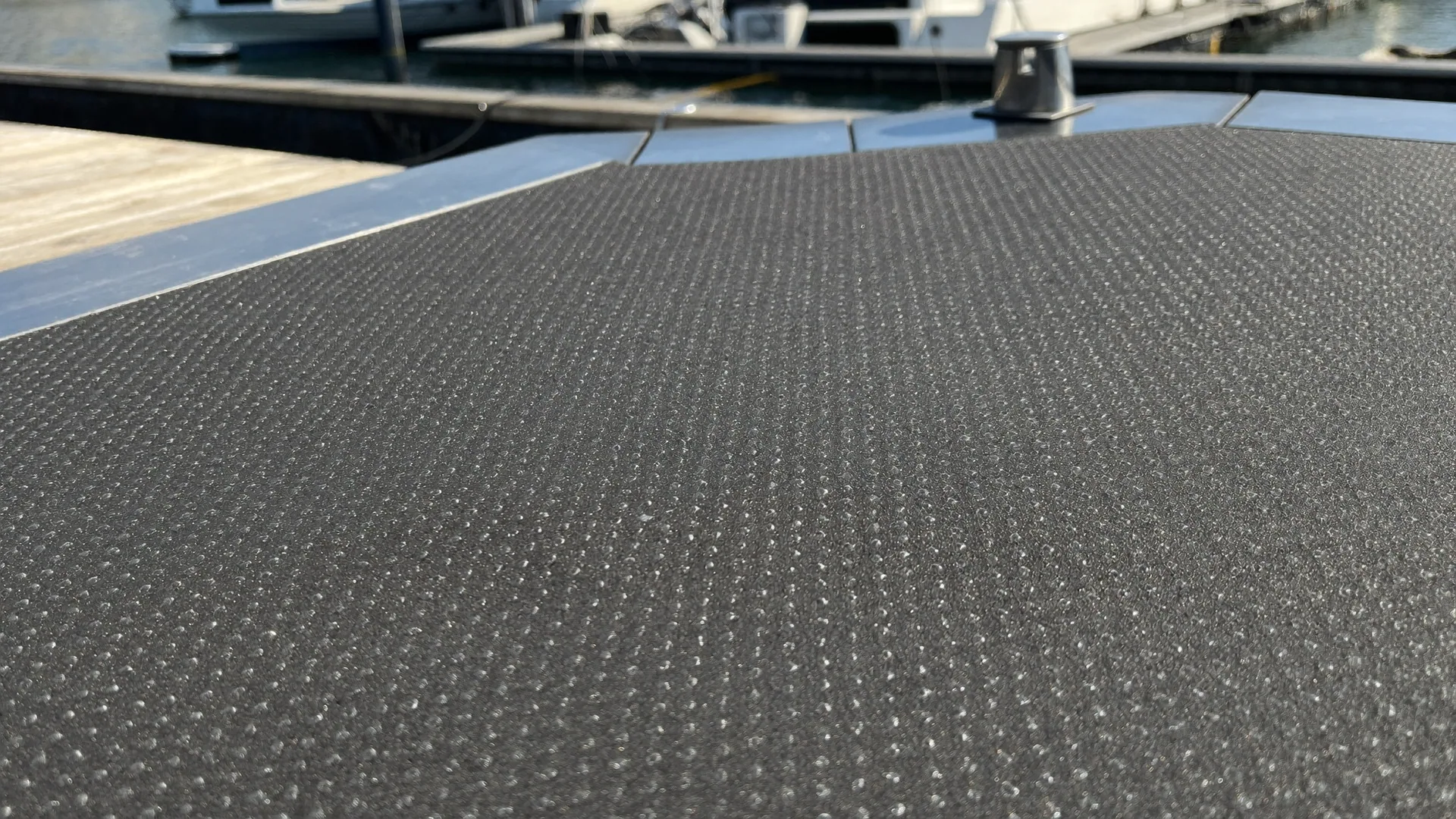
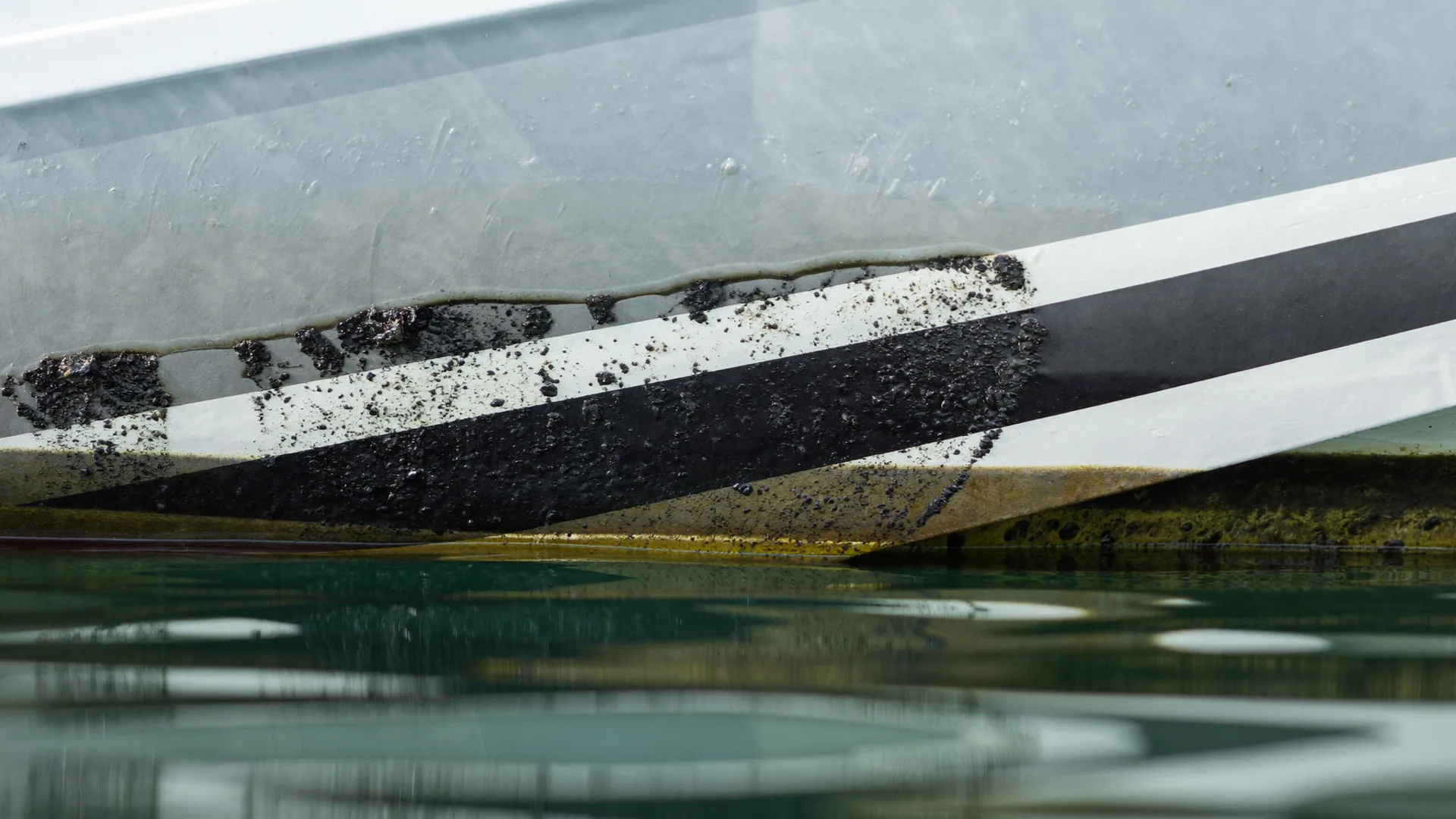
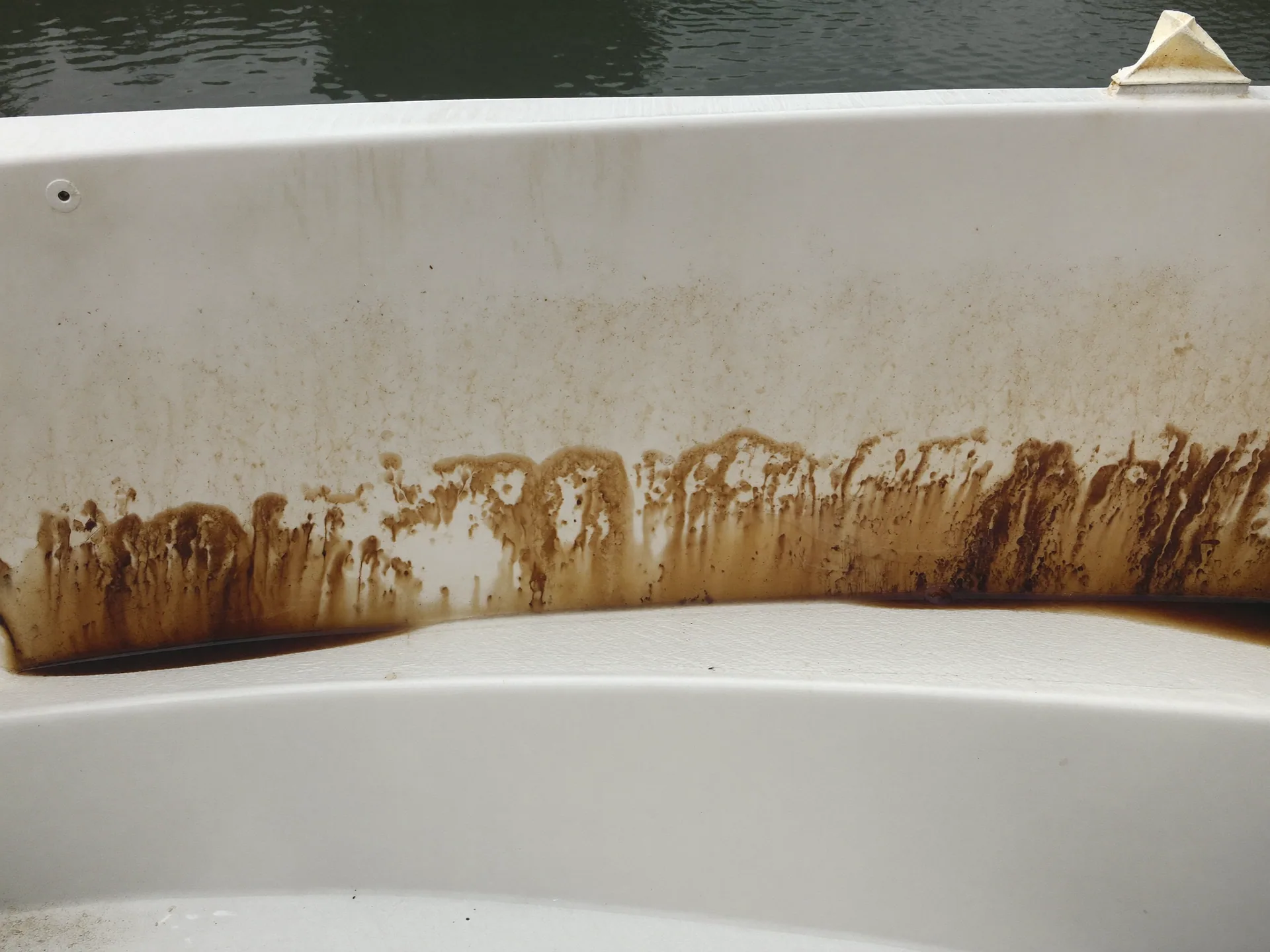
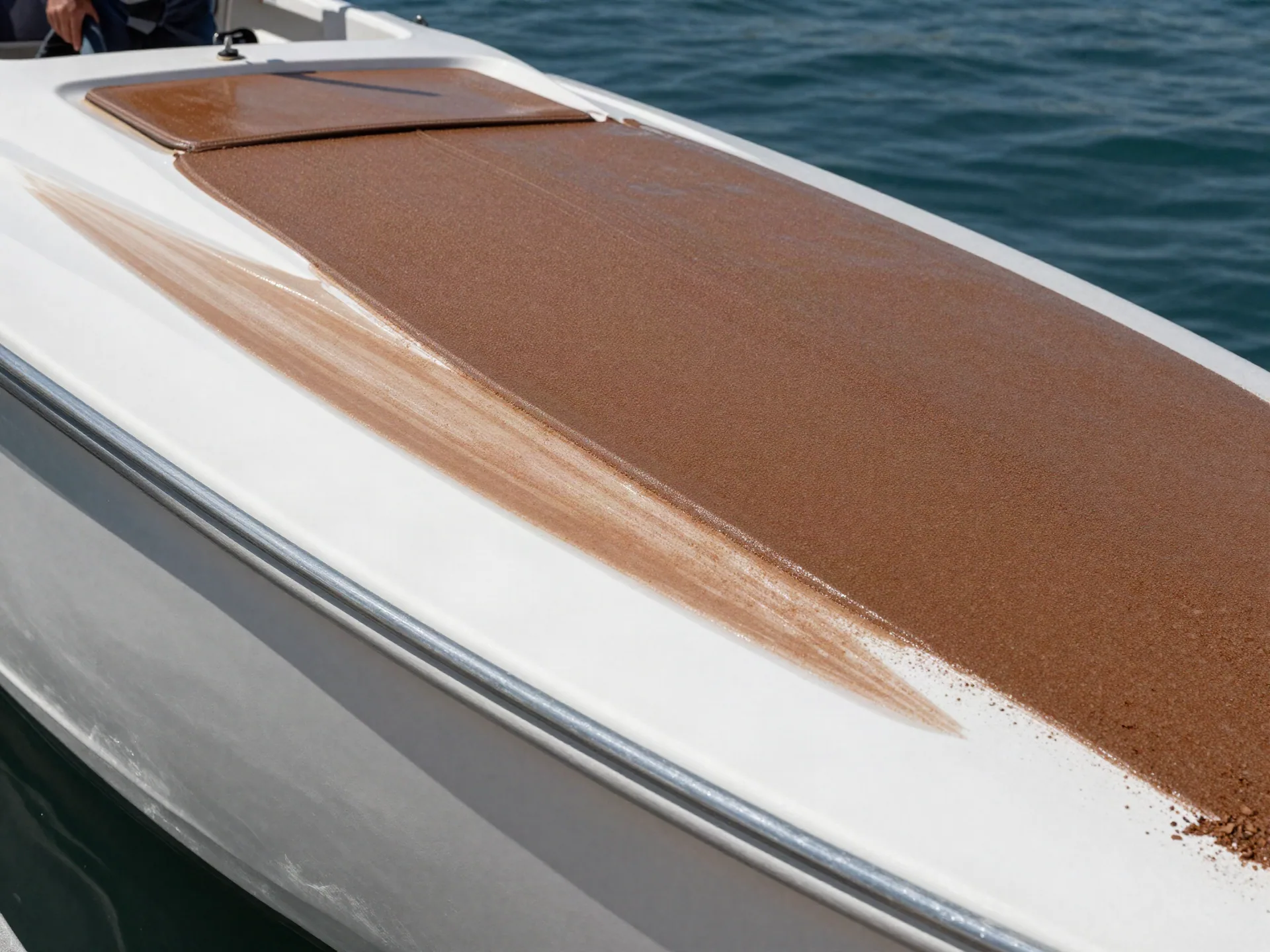
Boating in Ontario runs a few months and then the boat is out of the water and covered for most of the year. Anything left on the hull at haul-out — scum line, staining, growth — has the entire winter to set, and is considerably harder to bring back in spring than it would have been in September.
Covered storage breeds what it traps.
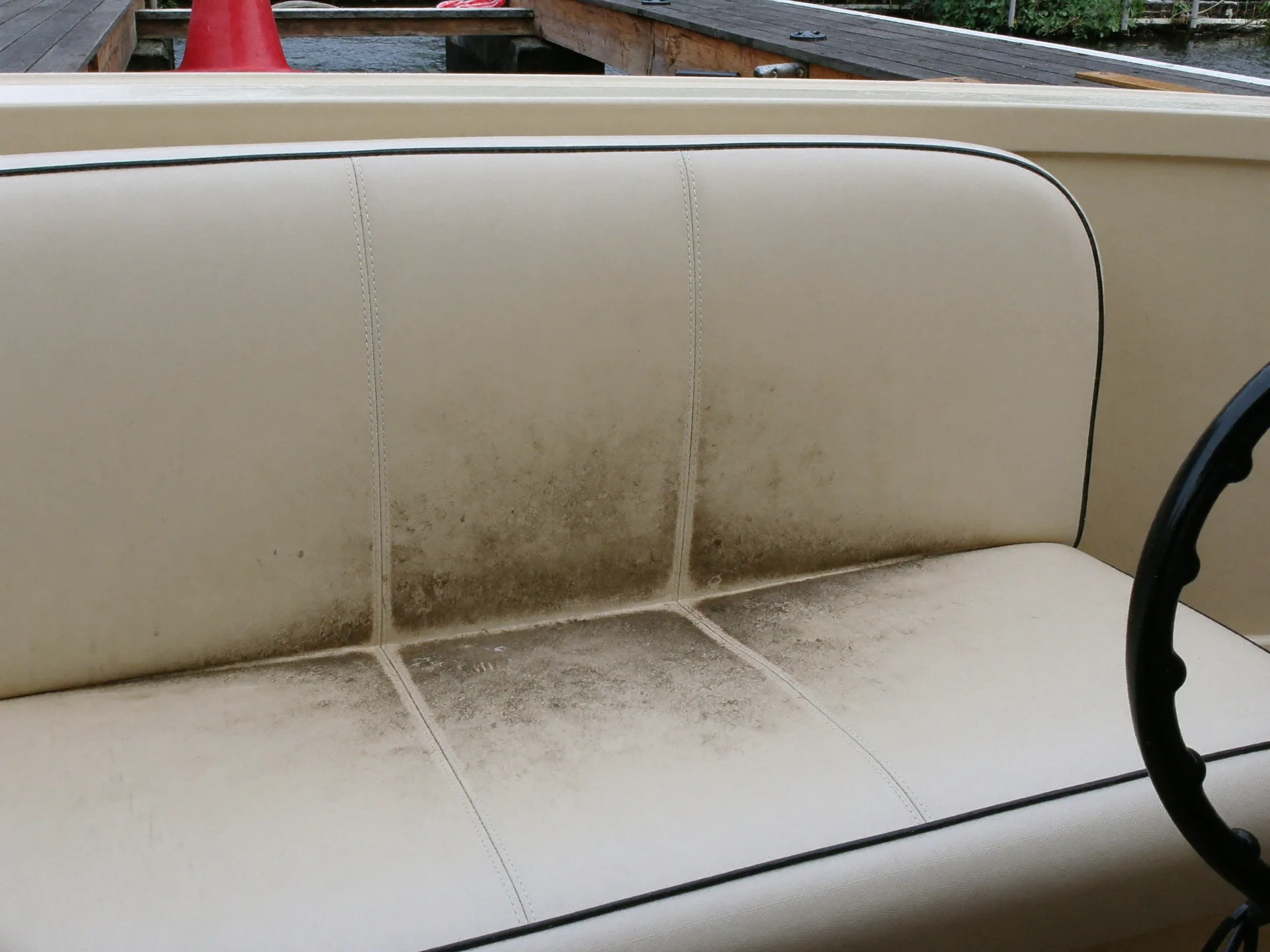
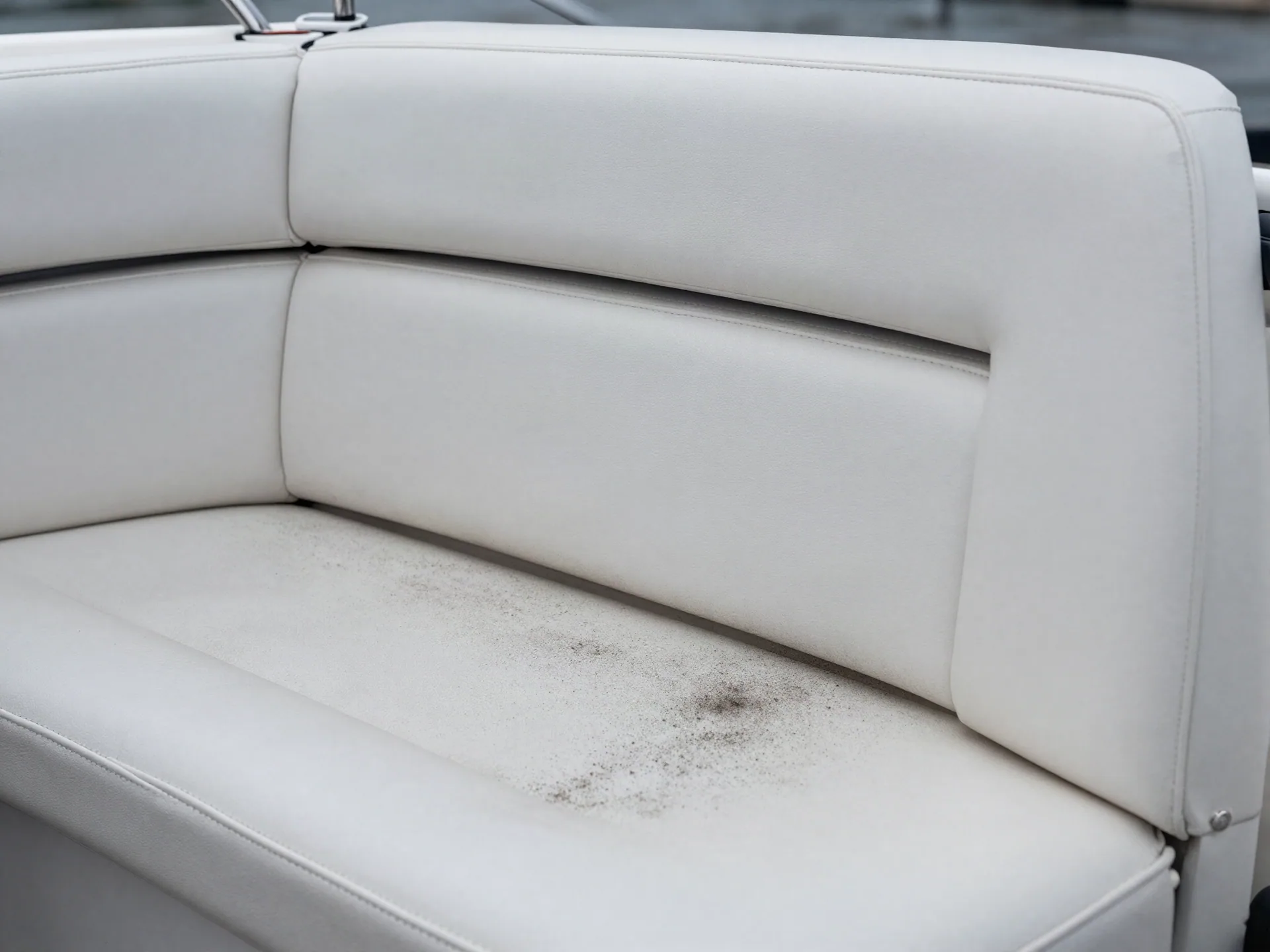
A cabin shut up damp under a cover through an Ontario winter is how mildew starts. It is a ventilation failure more than a cleaning one, and it is the most common thing we are asked to deal with on a boat here in the spring.
We work on the trailer, wherever the boat is kept.
What decides a boat appointment is whether the vehicle can stand still and be reached from both sides for the length of the job. At a home address that is usually straightforward. Where the boat is stored elsewhere, access hours and whether outside contractors are admitted are the site operator's decision rather than ours, so tell us who runs it and what arrangement you have and we will confirm before the day.
A trailer is a footprint problem before it is anything else.
It is longer than the vehicle towing it, it cannot be repositioned quickly, and it needs clear space on both sides rather than just in front so that hull, fittings and running gear can be reached safely. On a street governed by an overnight window that two City pages currently describe differently, none of that is worth improvising. Off-street is the sensible default here.

The appointment worth having is the one before storage.
A hull put away carrying a season's deposit spends months with that material dampened and dried against gelcoat, seals and running gear, and taking it off after two winters is considerably harder than after one. If you tell us when the boat comes out of use we will work backwards from that date rather than fitting the job in afterwards.
An obstructing vehicle can be removed at the owner's expense.
The City cites Section 170(15) of the Highway Traffic Act, which provides for the removal of offending vehicles at the owner's expense, alongside Section 170(12) prohibiting parking so as to interfere with snow clearing. For a car that is a bad morning. For a boat on a trailer it is considerably worse, because relocating one is not a five-minute job and the cost of having it done for you is not the kind of surprise anyone wants attached to a detailing appointment.

Four moments worth booking for.
The work is the same either way — these are the times it makes the most difference in St. Thomas.
Haul-out is coming
A scum line left on at haul-out has the whole winter to set into the gelcoat, and a cabin shut up damp is where the spring mildew comes from. September is cheaper than April.
Book before haul-out →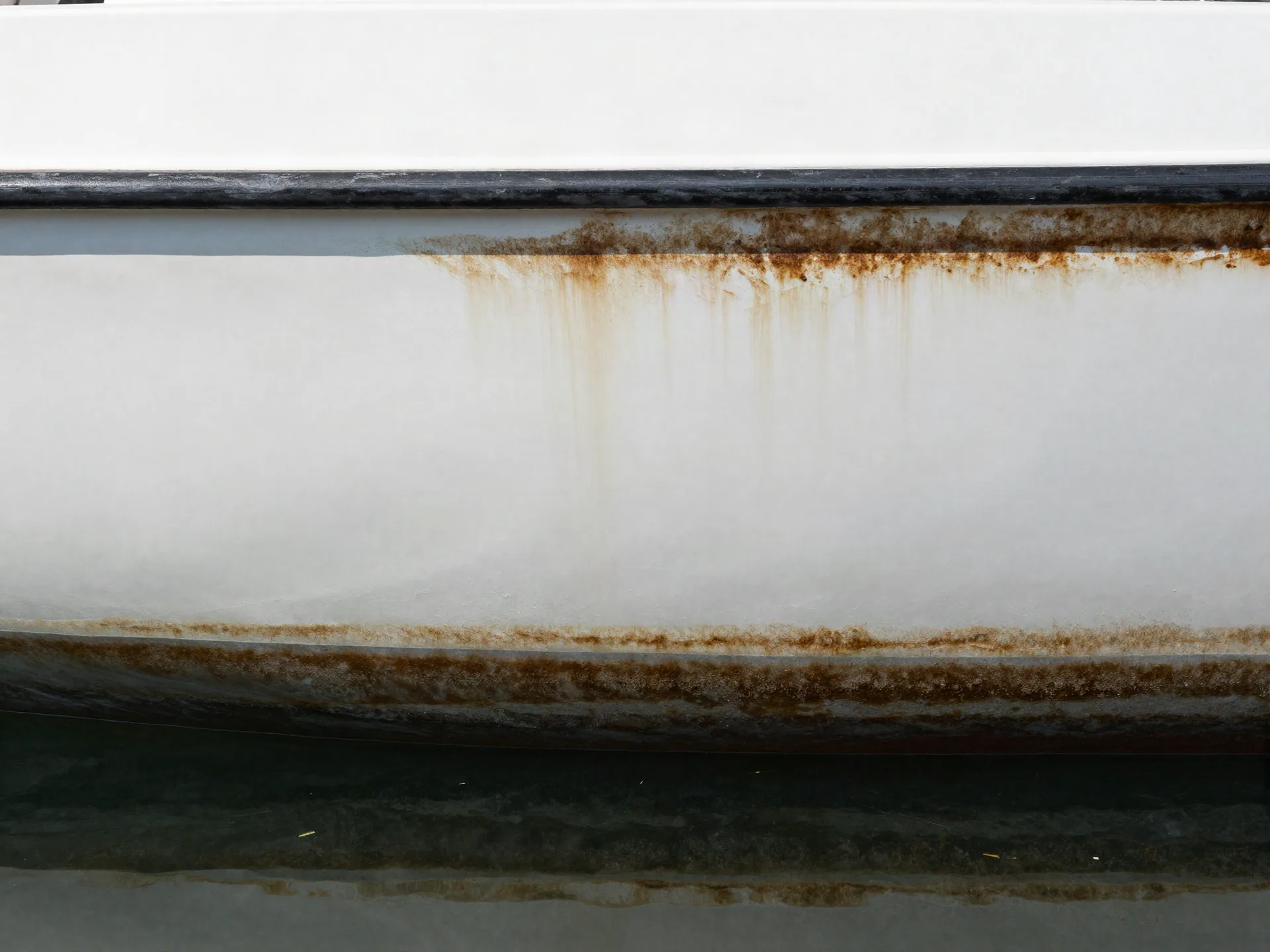
You would rather not drive it anywhere
Driveways are the norm around St. Thomas and access is rarely the constraint. We cover a wider area between appointments out here, so a confirmed location is what keeps the window tight.
Book at your address →
Trailered, and easier for it
Most boats around St. Thomas are trailered rather than moored, which is the easier case — the whole hull is reachable with no haul-out to arrange, and the waterline staining is lighter.
Book a boat detail →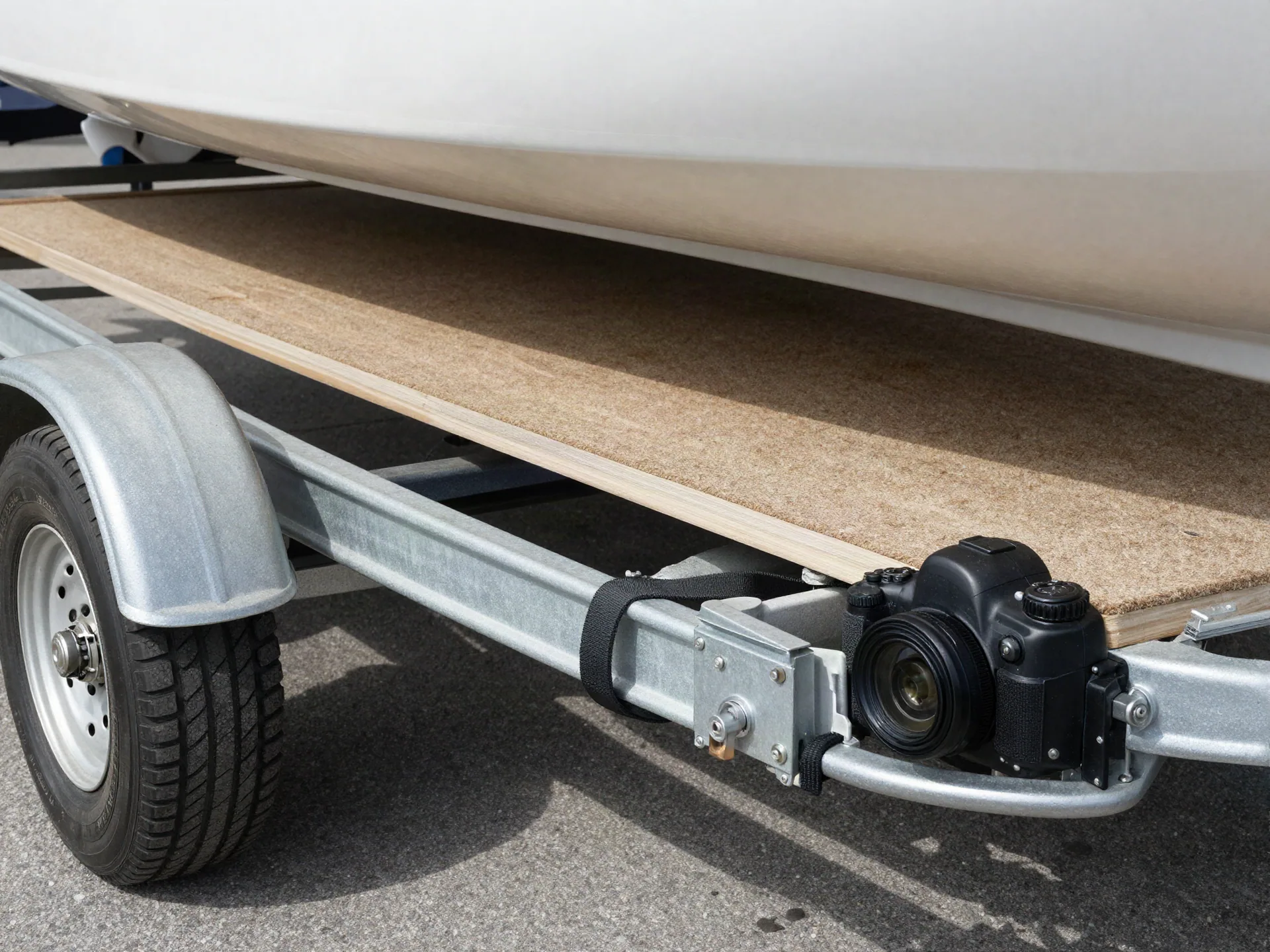
It is going on the market
A buyer forms their opinion from the topsides and the cabin smell long before they ask about engine hours, and chalky gelcoat reads as neglect even where the mechanicals are perfect. Around St. Thomas that is usually a job done on the trailer or on the hard, which is also when the hull is properly reachable.
Book before you list it →What Mobile Boat Detailing in St. Thomas looks like up close
Driveways and private parking are the norm here and access is rarely the constraint. What is worth confirming is simply where the vehicle will be on the day, since we are covering a wider area between appointments and the schedule is built around travel. For boat work here it is trailer work wherever the boat is kept, and the appointment worth having is the one before it goes into storage.
Rinse after every salt outing
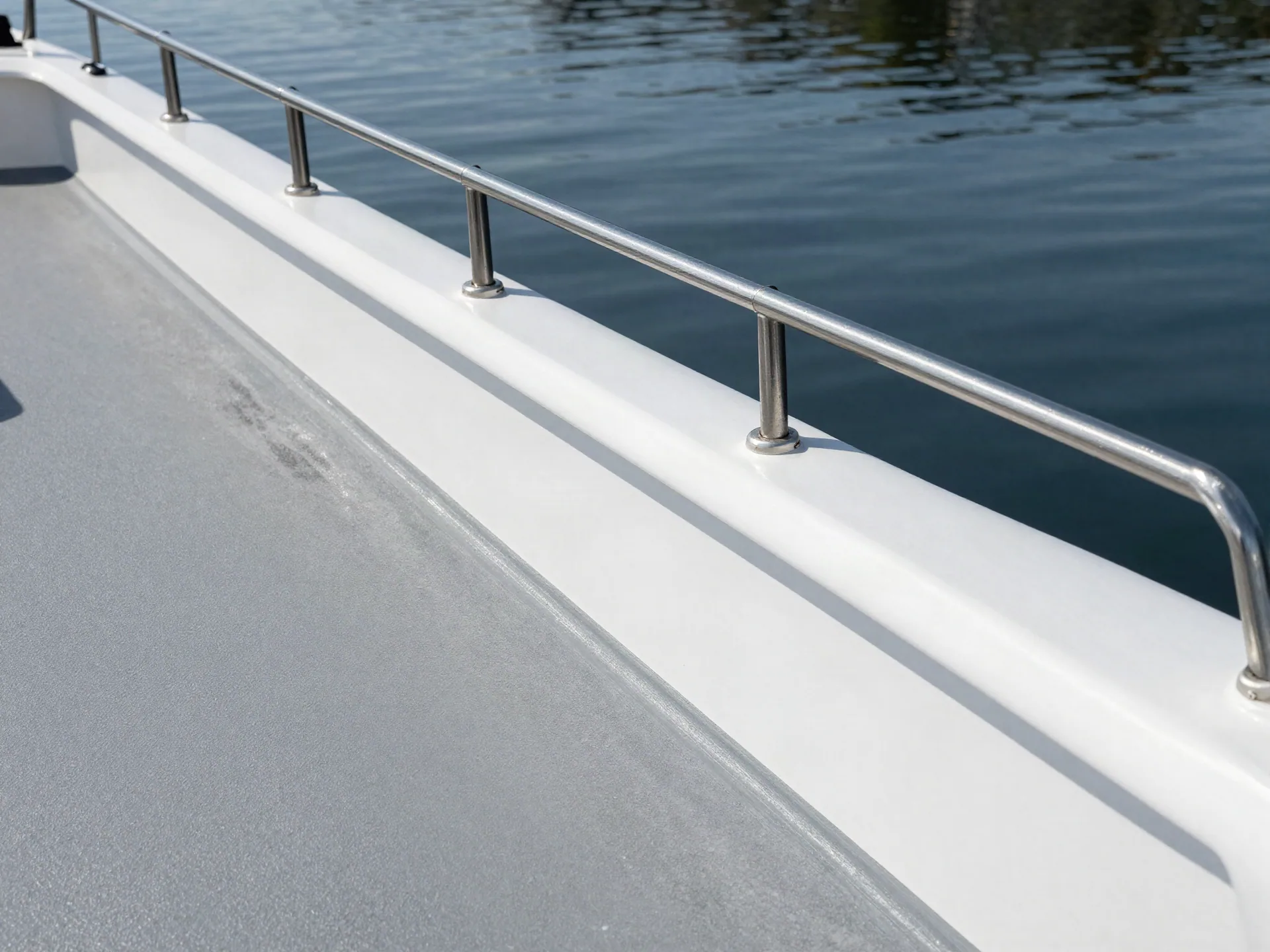
Fresh water over the hull, deck and especially the metalwork after saltwater use. This one habit prevents more corrosion damage than anything a detailer can do afterwards.
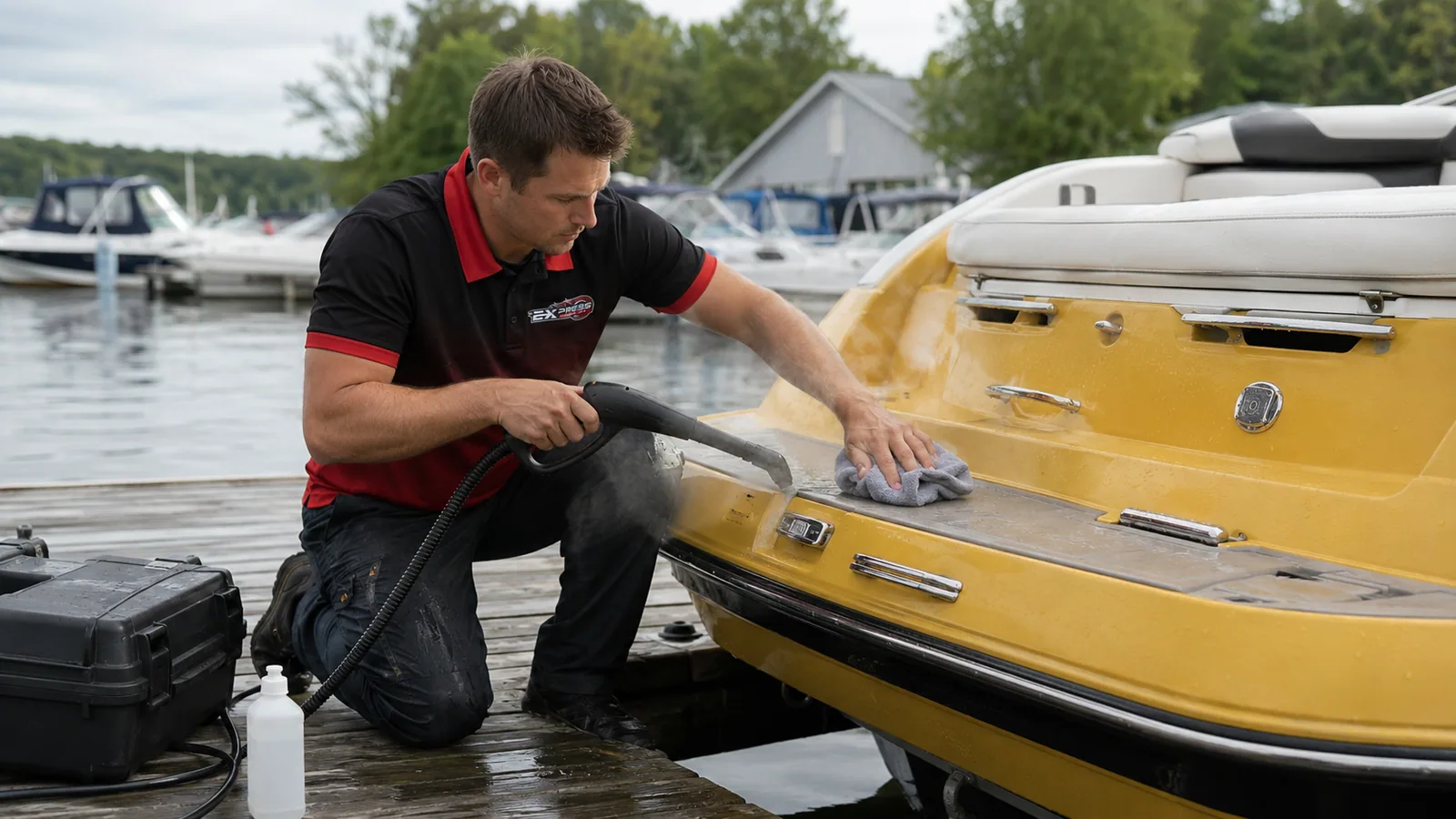
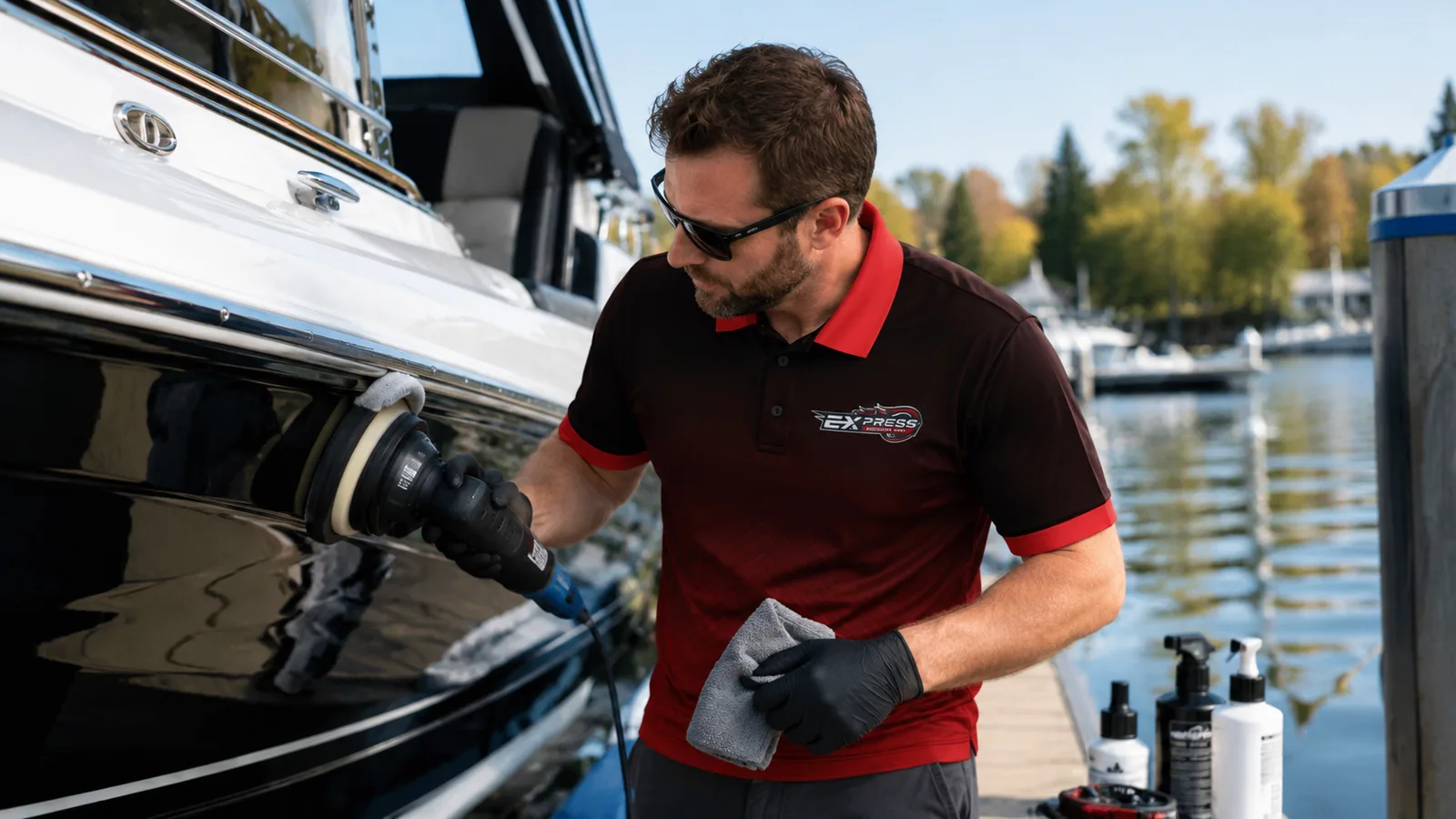
Storage is where the damage happens.
The work itself is not the argument here — the timing is. The Ontario season is short and the haul-out is long, and whatever is on the hull when the cover goes on has the entire winter to key into the gelcoat. Booking before it goes away protects the vehicle. Booking after is presentation. Both are worth having; only one of them changes what you are left with.
Book in St. Thomas →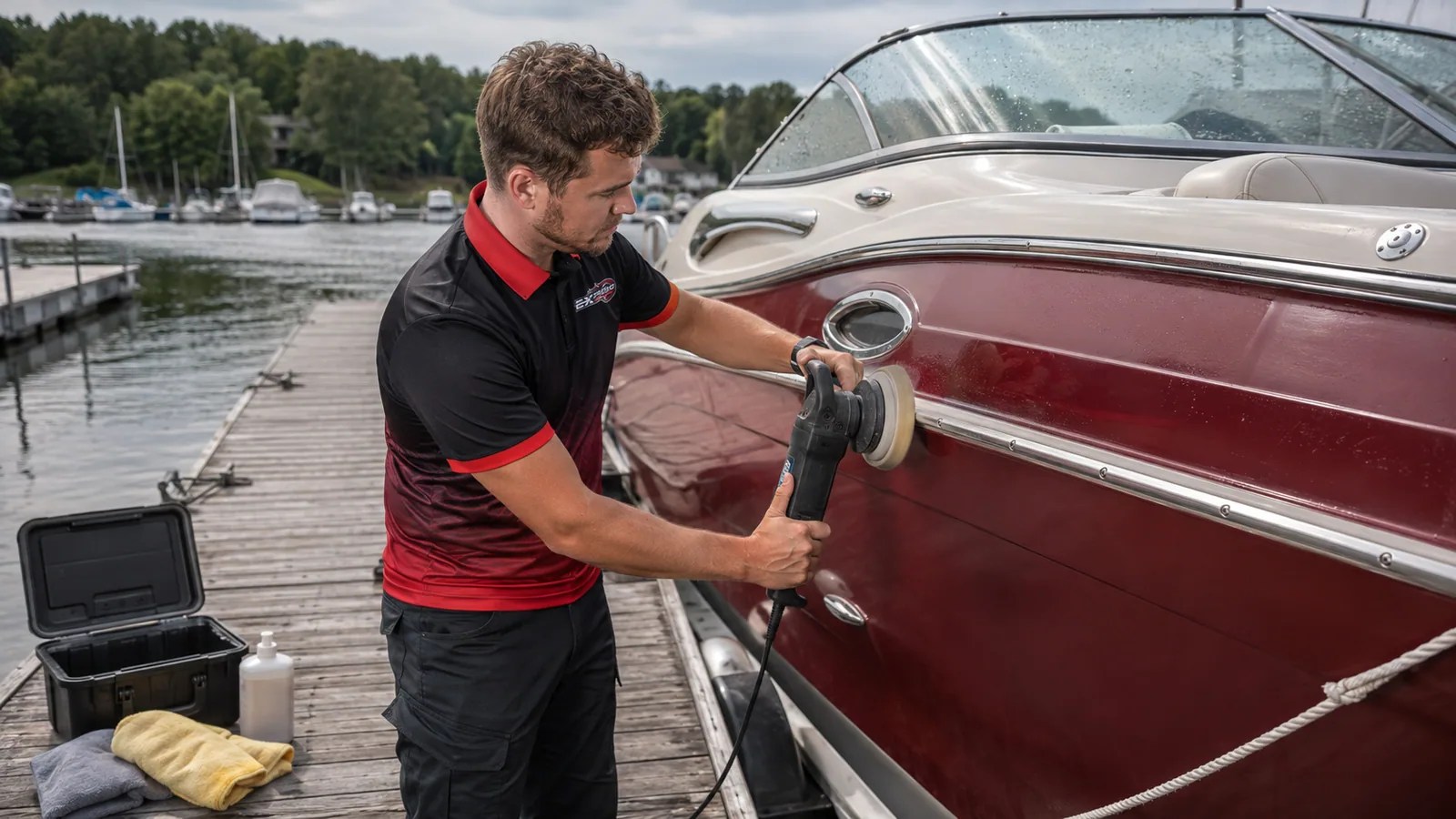
The vehicle never leaves your property
Nothing gets driven anywhere. Private parking is the norm around St. Thomas and access is rarely the constraint — we cover a wider area between appointments out here, so a confirmed location is what keeps the window tight.
How a St. Thomas appointment actually works.
The practical detail — how far we travel, what the day needs from you, and when in the year it is worth booking in Elgin County.
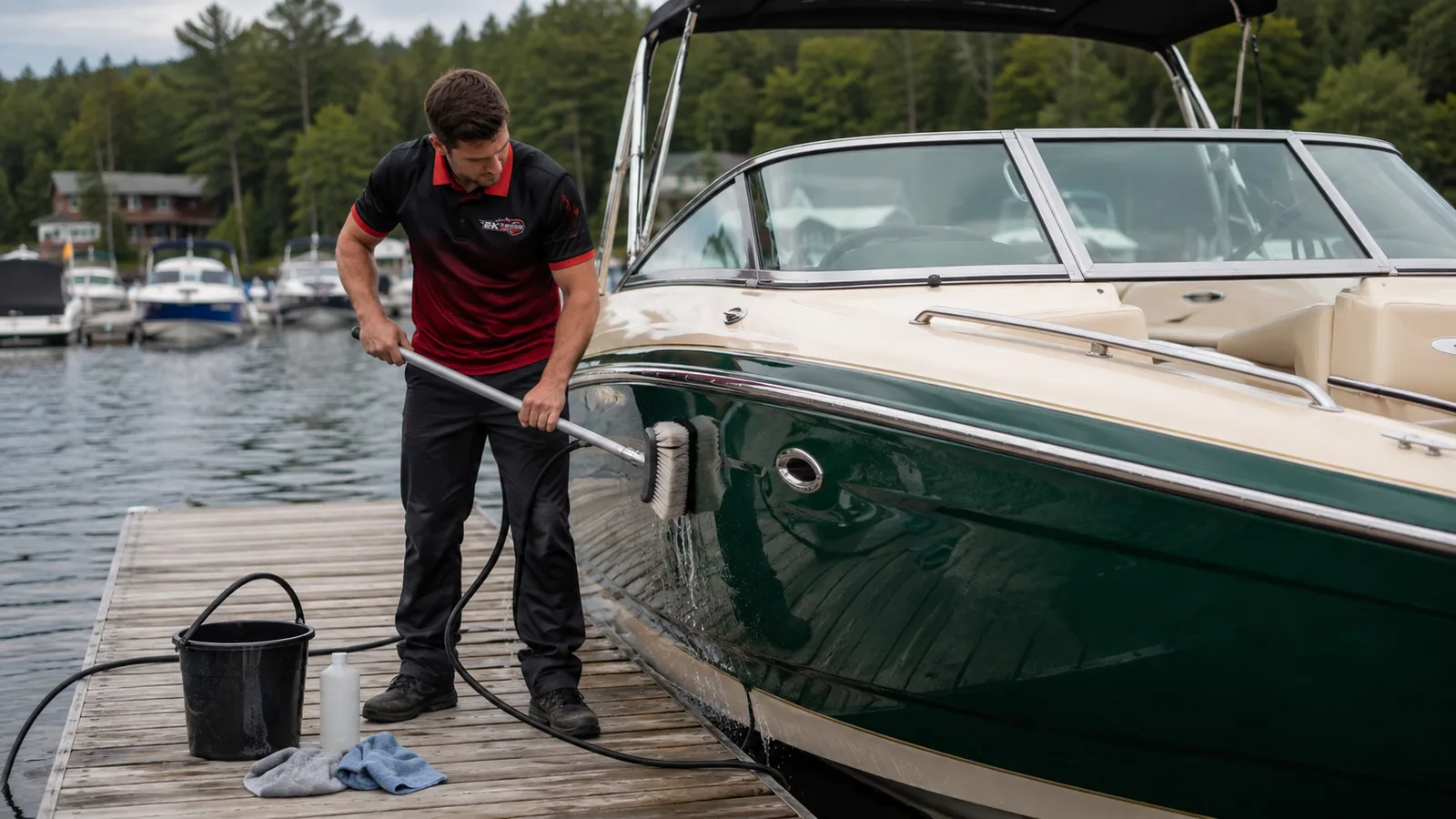
Where we travel from, and to
St. Thomas is inside the regular Elgin County round rather than a special journey, and Aylmer are covered on the same runs. Out here the day is built around travel between appointments, so booking a morning or an afternoon rather than an exact hour is what keeps the schedule honest — and it is why we would rather confirm the address than guess at it.
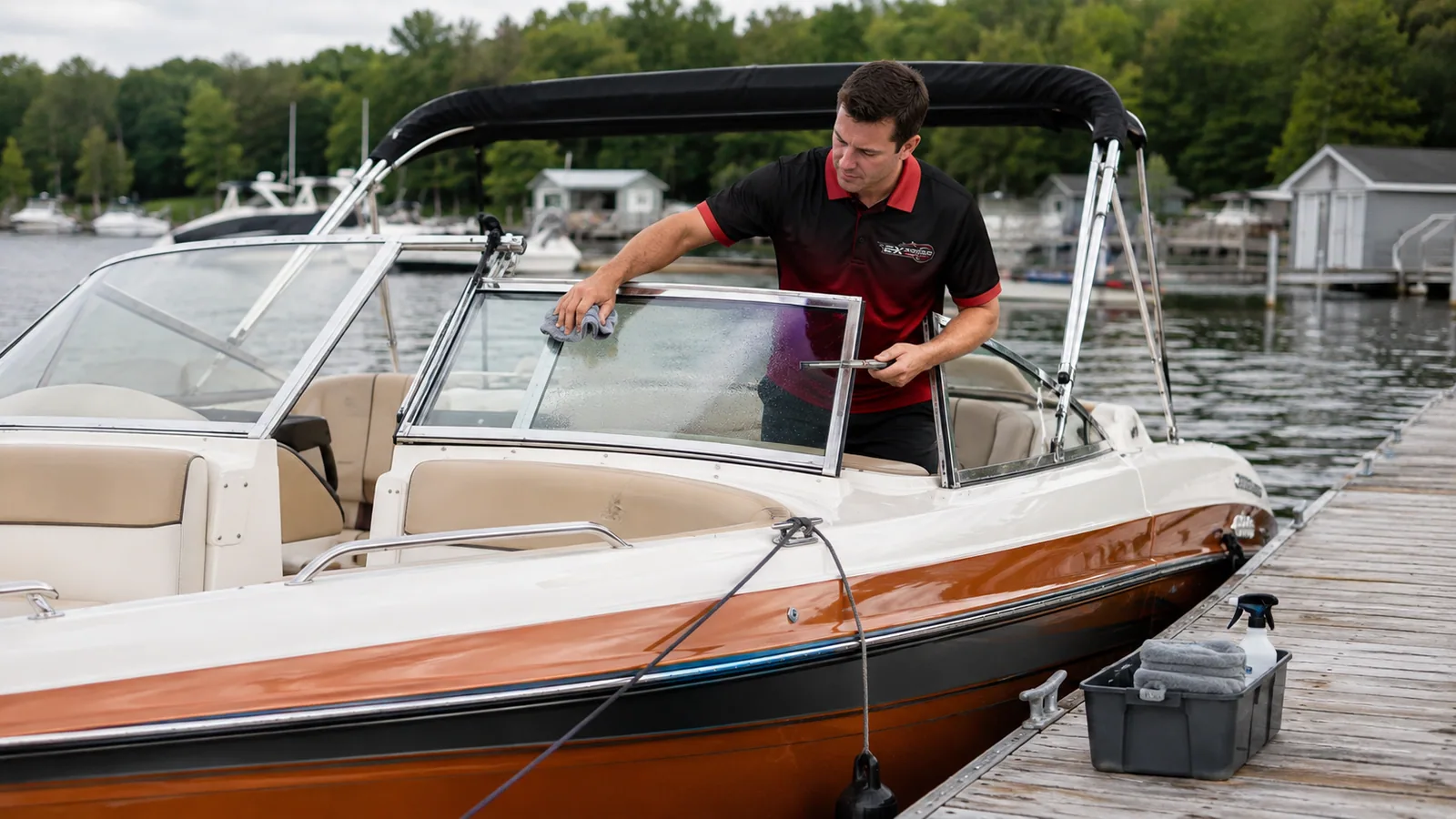
What the boat needs on the day
Whether it is in the water, on the hard or on a trailer. That one answer decides which surfaces are reachable, so it changes the work far more than the length does.
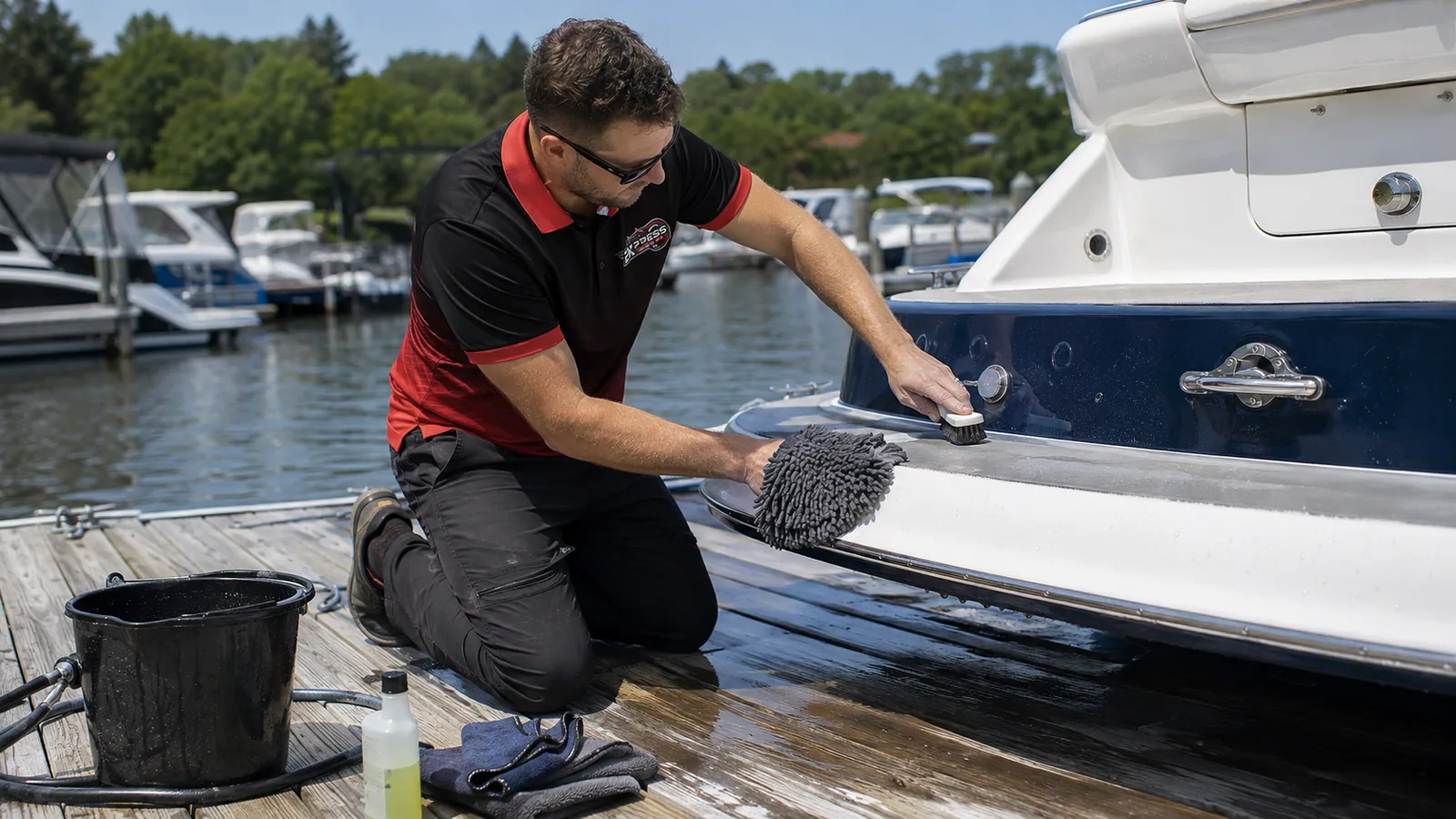
When it is worth booking here
The season in Elgin County is short and the storage months are long, and almost all the damage happens while it is put away. Before the cover goes on is the appointment that changes what you get back in spring; the spring one is presentation.
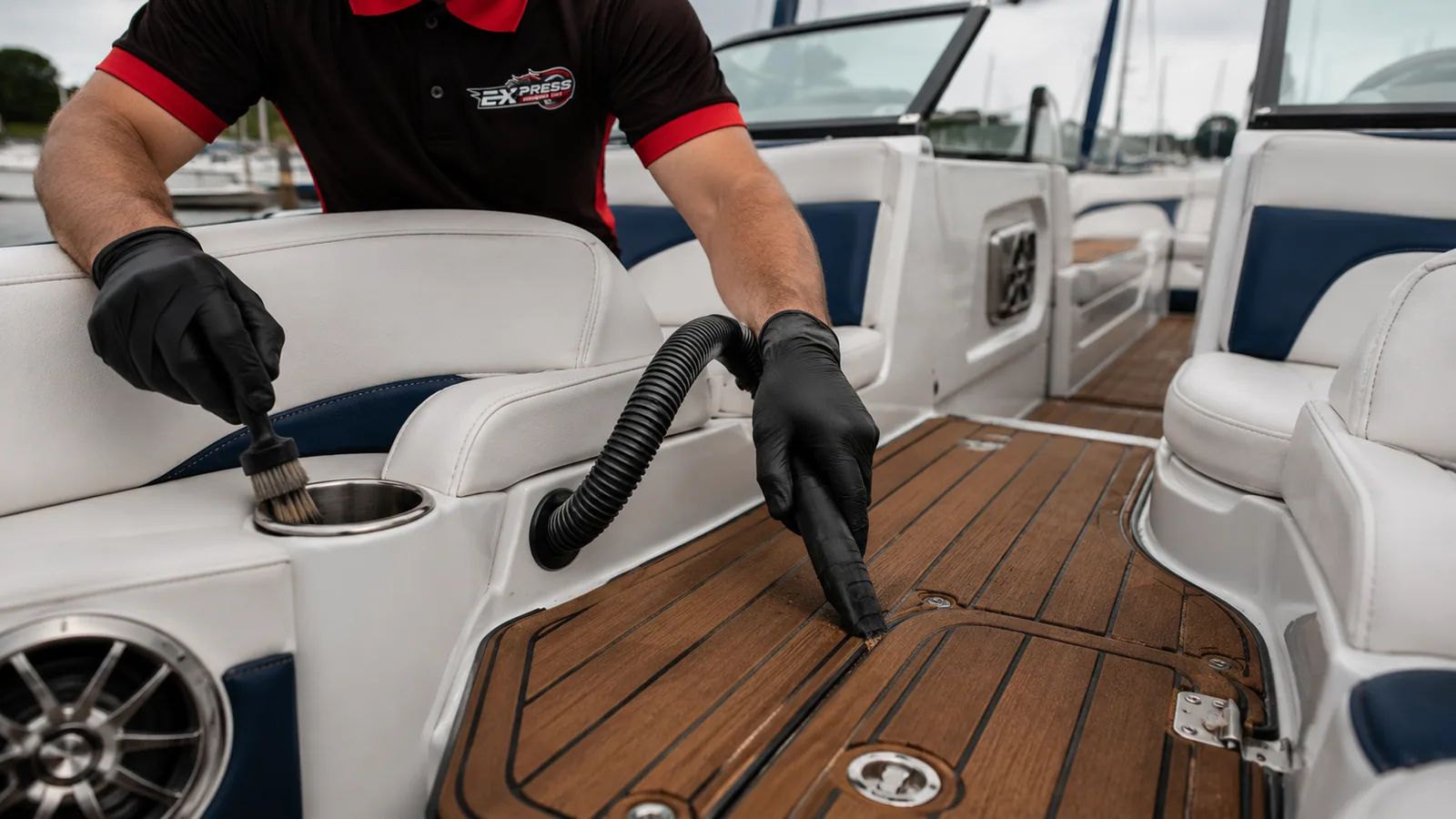
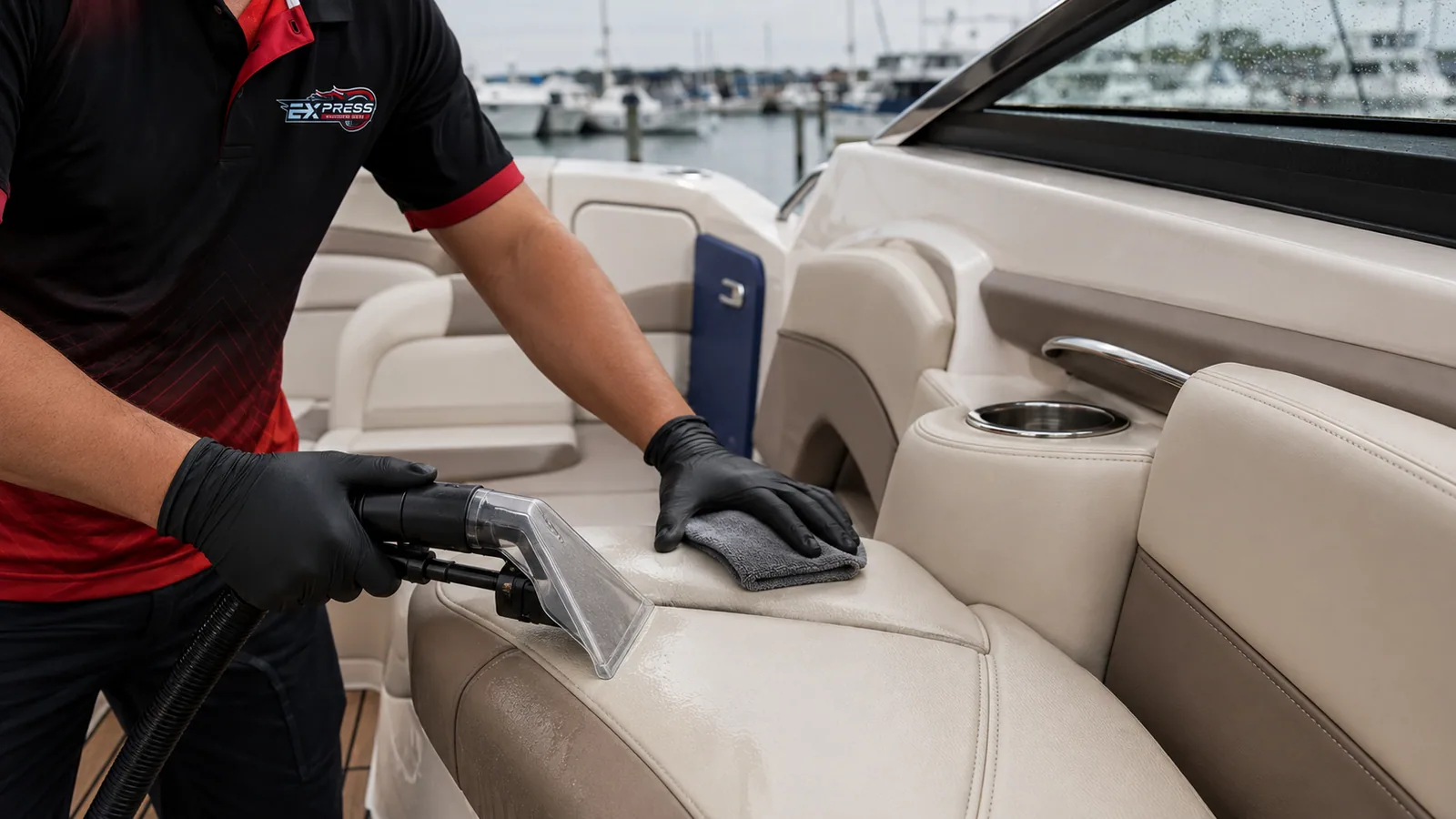
Boat Detailing as it actually runs.
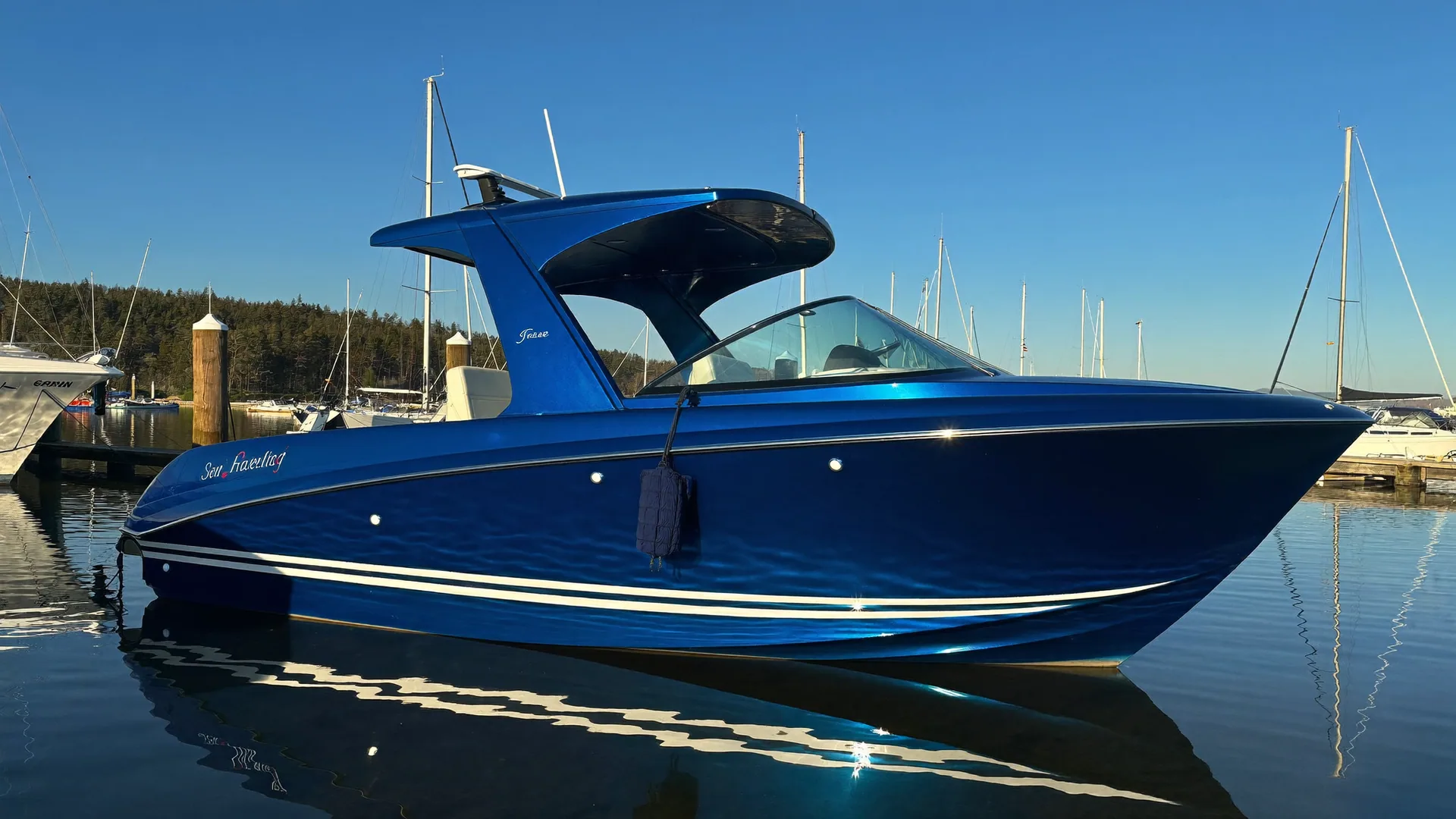
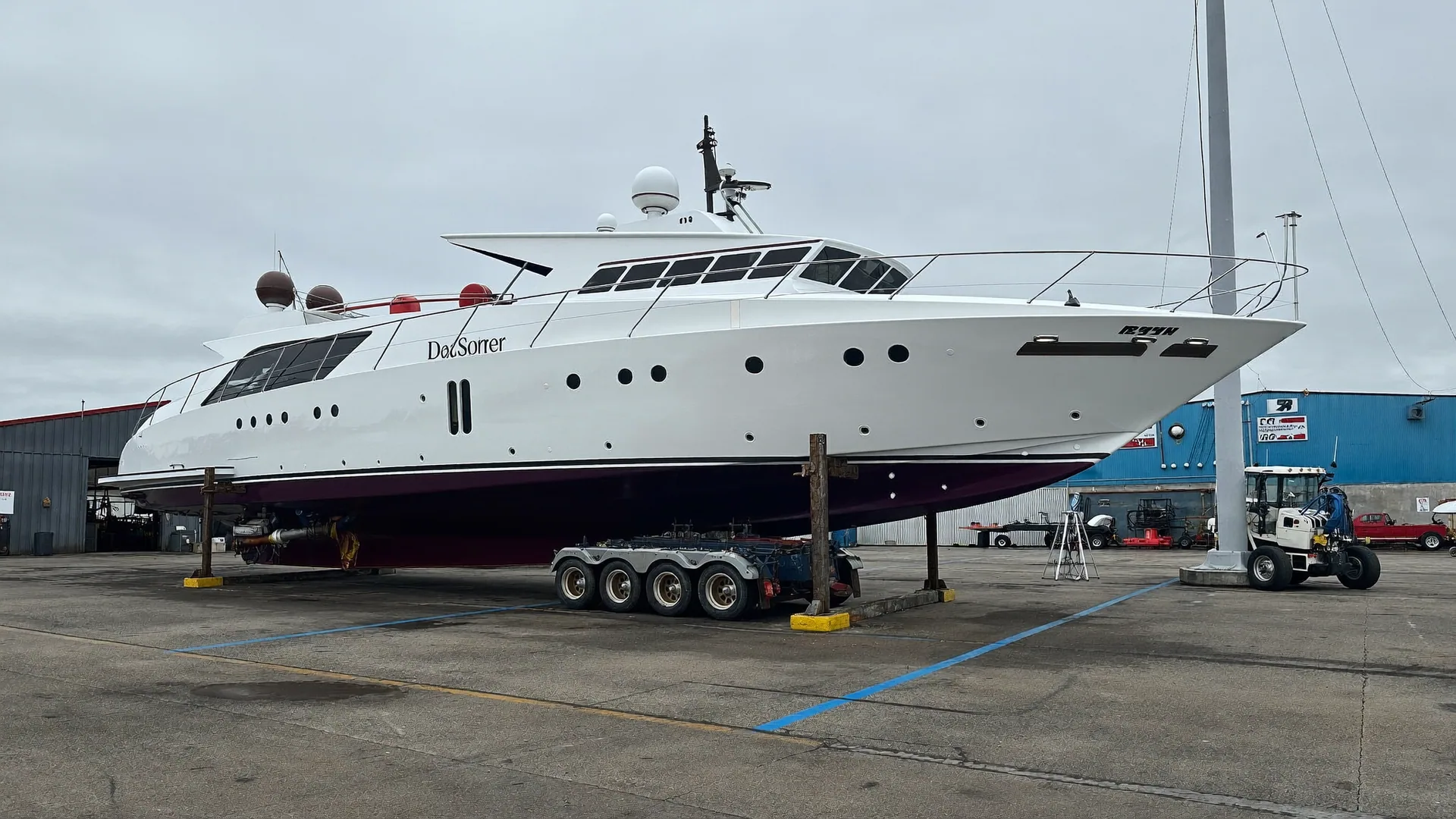
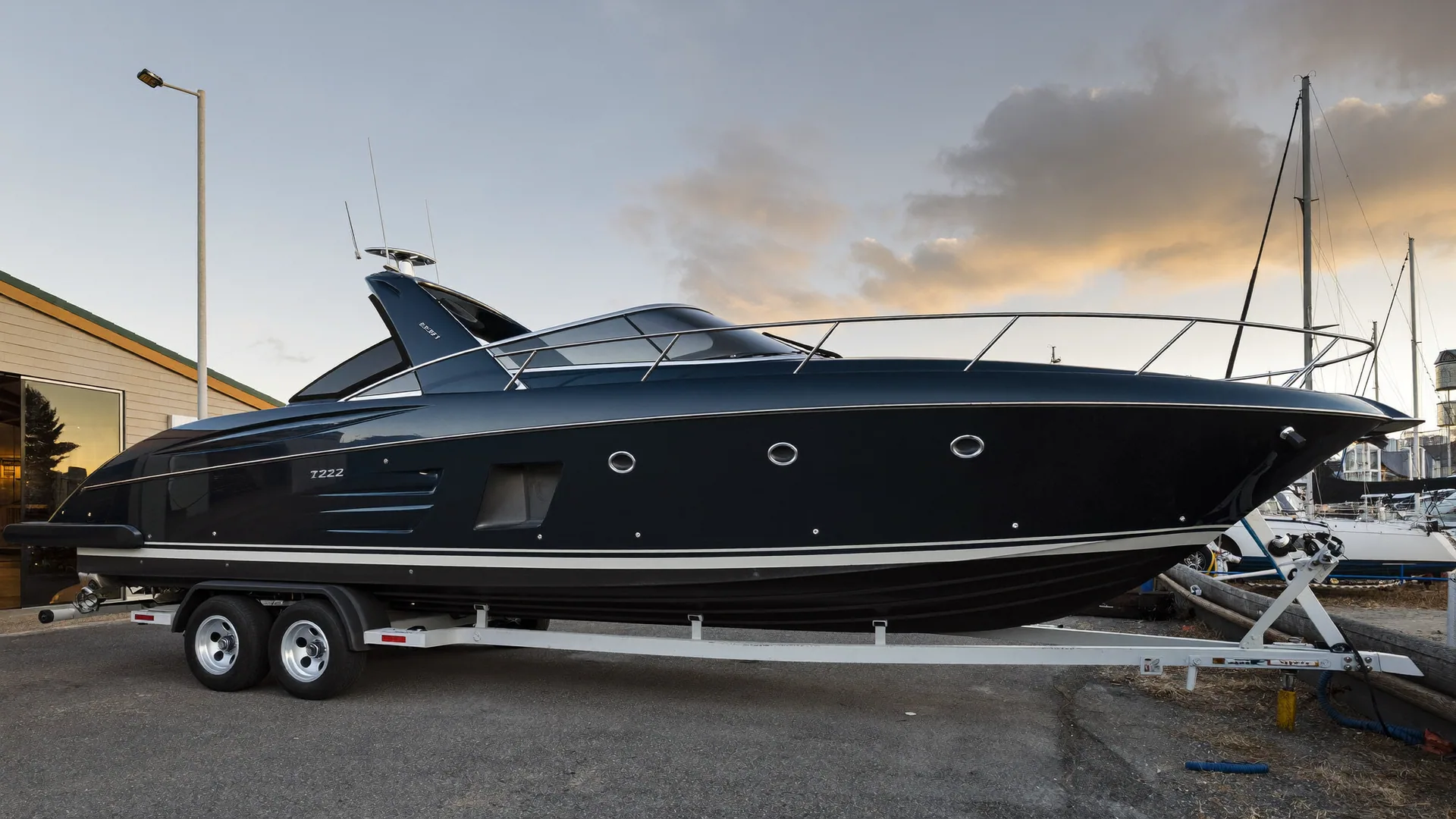
Where we work in St. Thomas.
Driveways and private parking are the norm here and access is rarely the constraint. What is worth confirming is simply where the vehicle will be on the day, since we are covering a wider area between appointments and the schedule is built around travel. For boat work here it is trailer work wherever the boat is kept, and the appointment worth having is the one before it goes into storage.
St. Thomas, on the day.
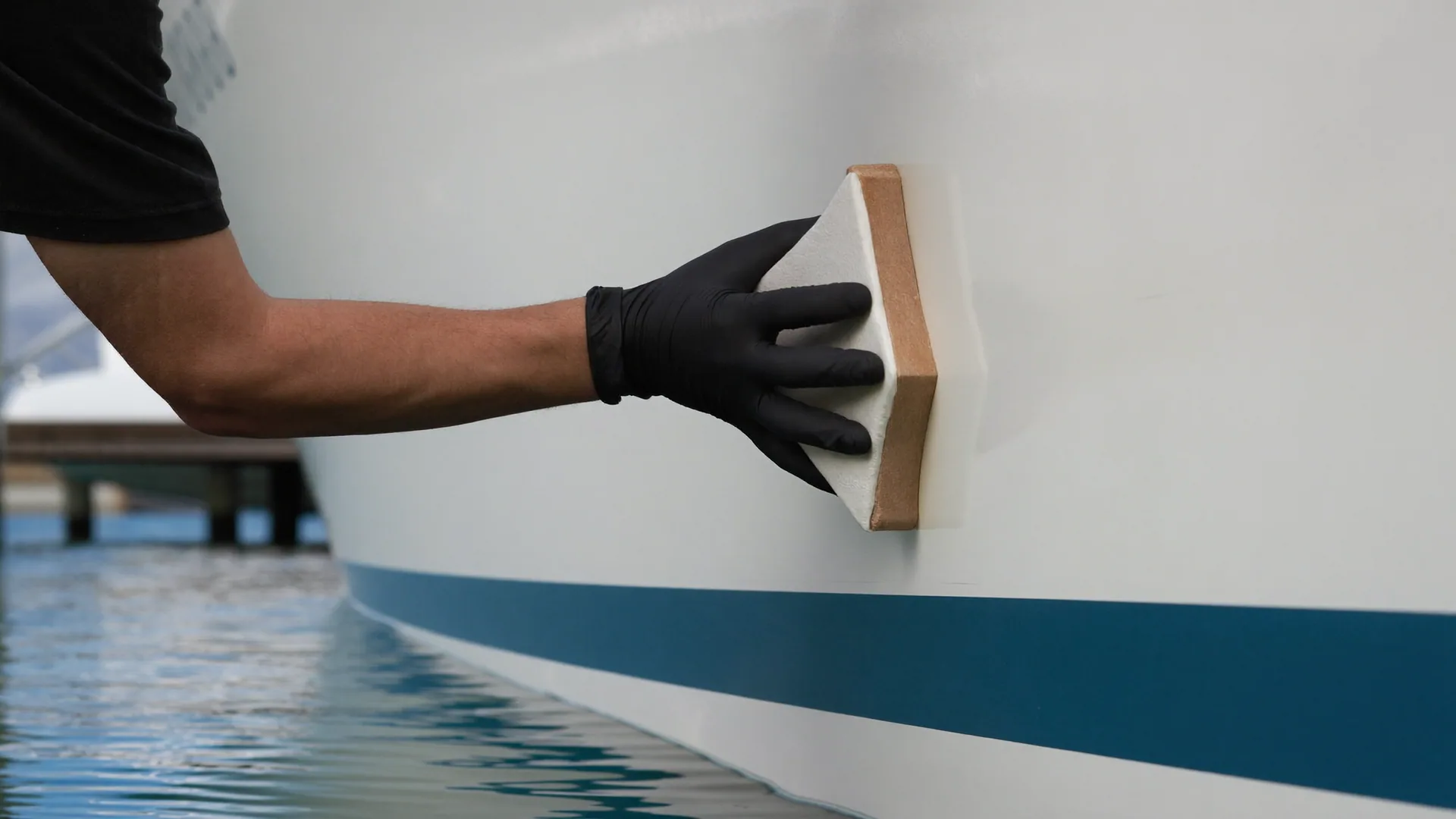
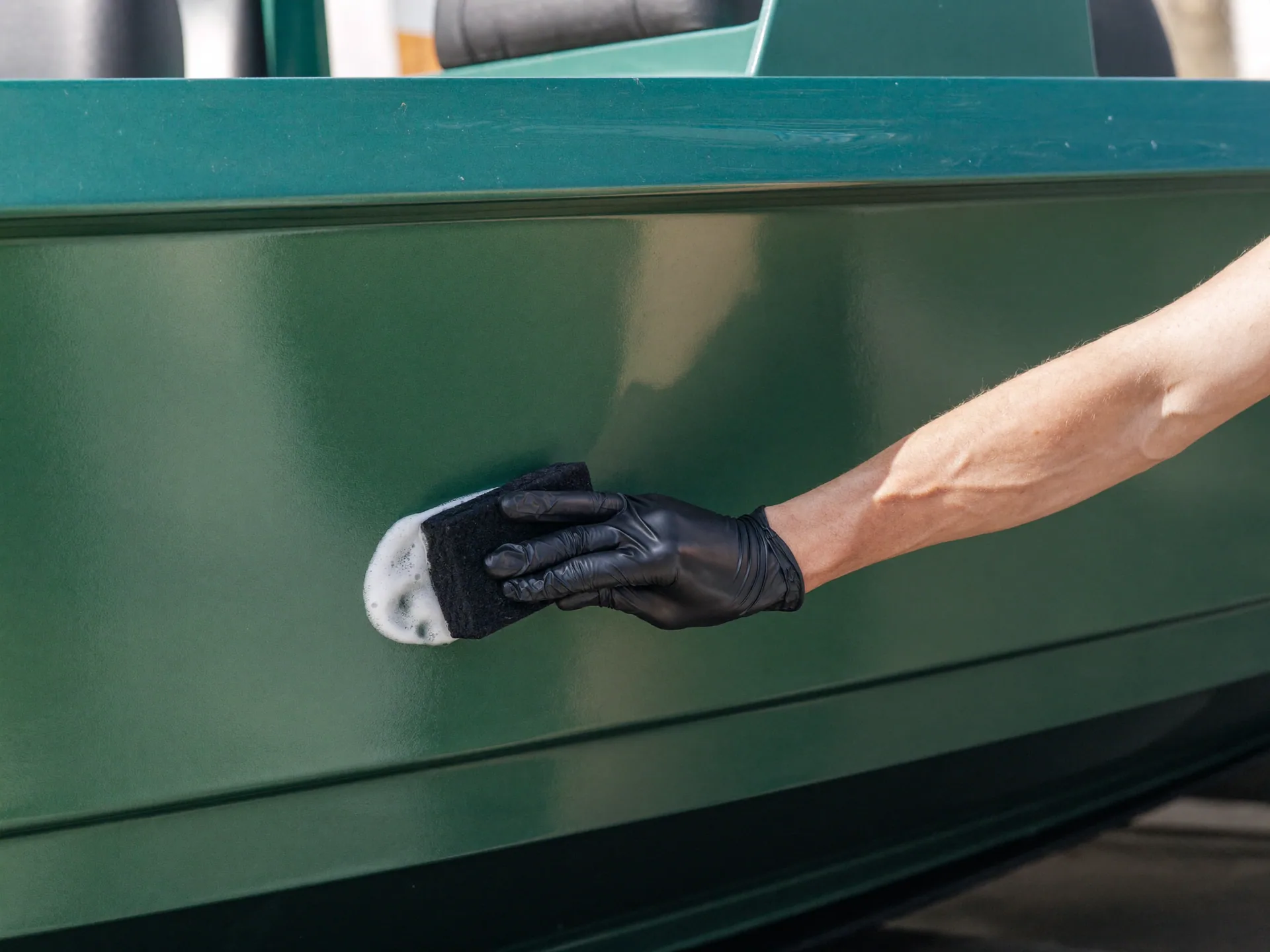
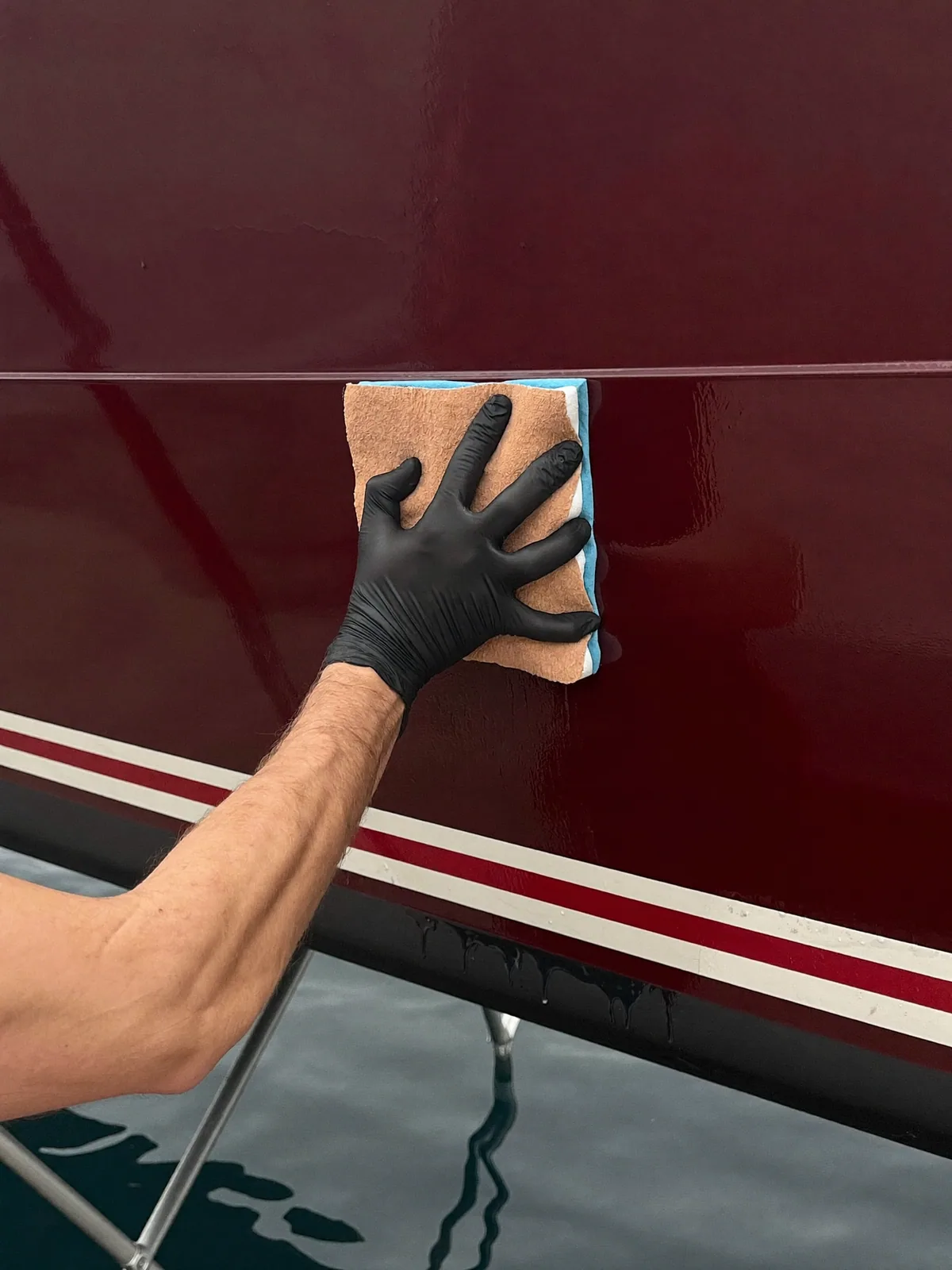
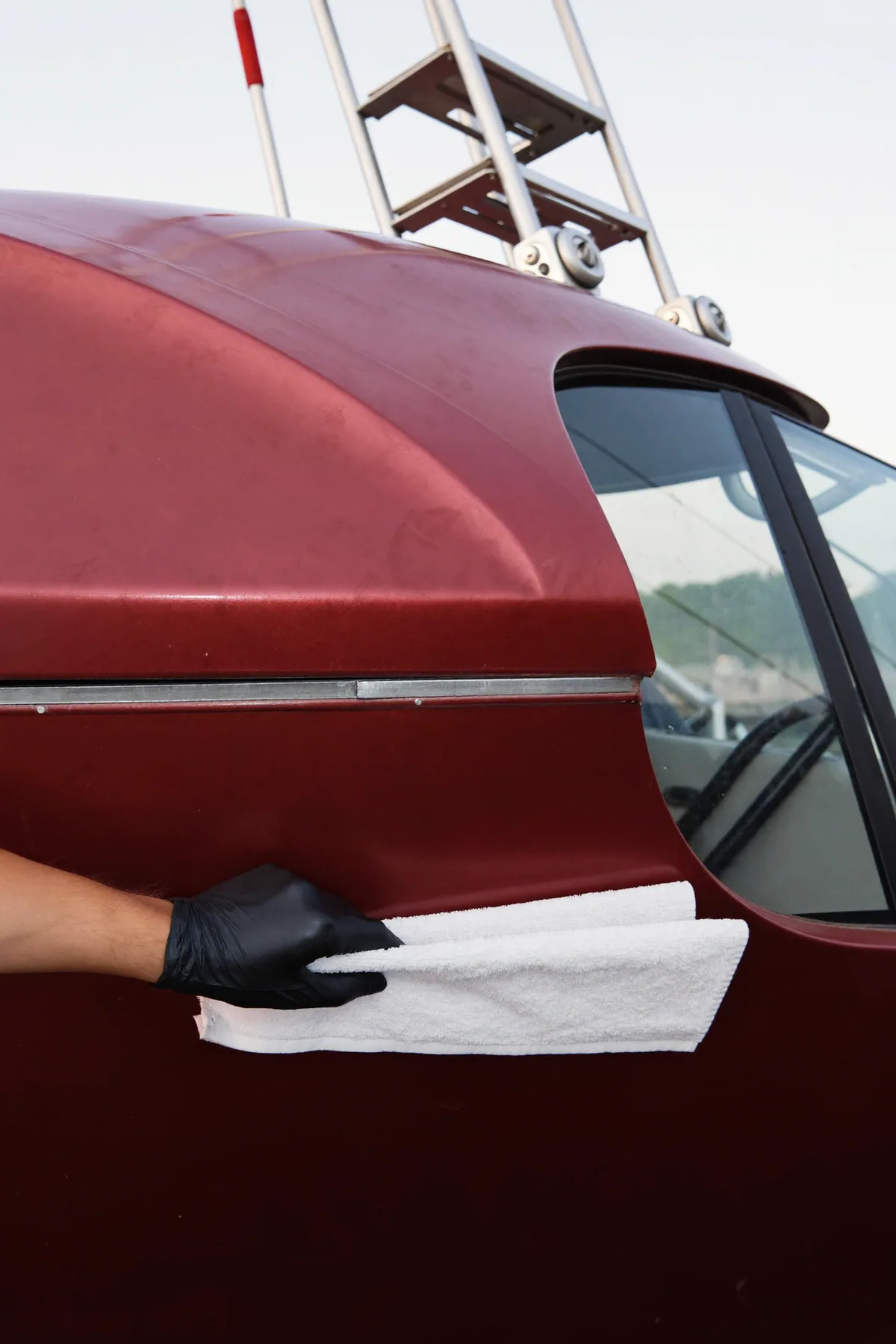
Recent work from our vans across Elgin County — boat detailing and everything that travels with it.