Mobile Truck Detailing in London
Truck Detailing at your home or office in London, Ontario. We cover London and the rest of Middlesex County as part of our regular service area — Strathroy included.
Why Mobile Truck Detailing in London is different
What this place does to a vehicle, and what that changes about the work.
A Highway 401 town means highway trucks.
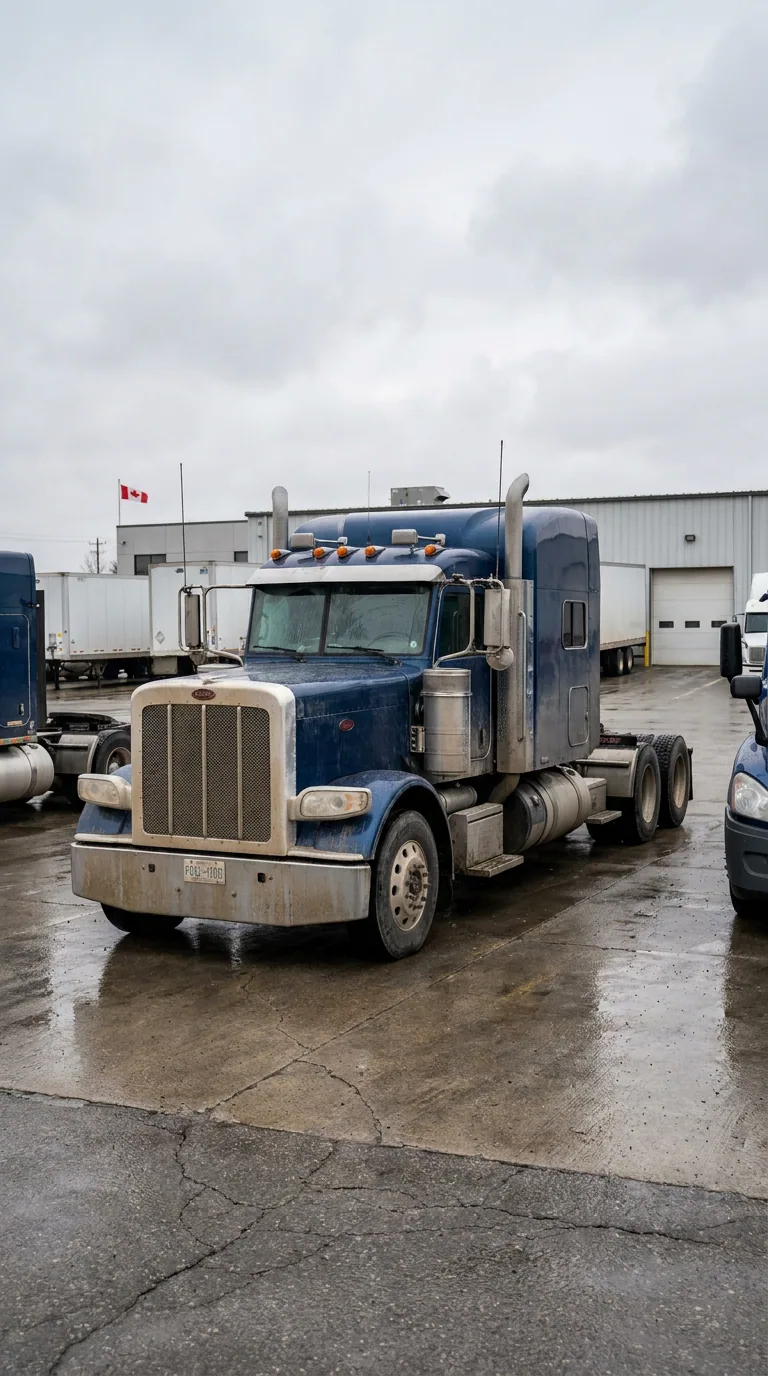
London sits on one of the busier freight corridors in the province, and a truck working it carries heavier road film than almost anything else on the road. It bakes on, and it needs chemical dwell time before contact washing does anything at all — the step most often skipped, and the reason a truck can look no better after a wash.
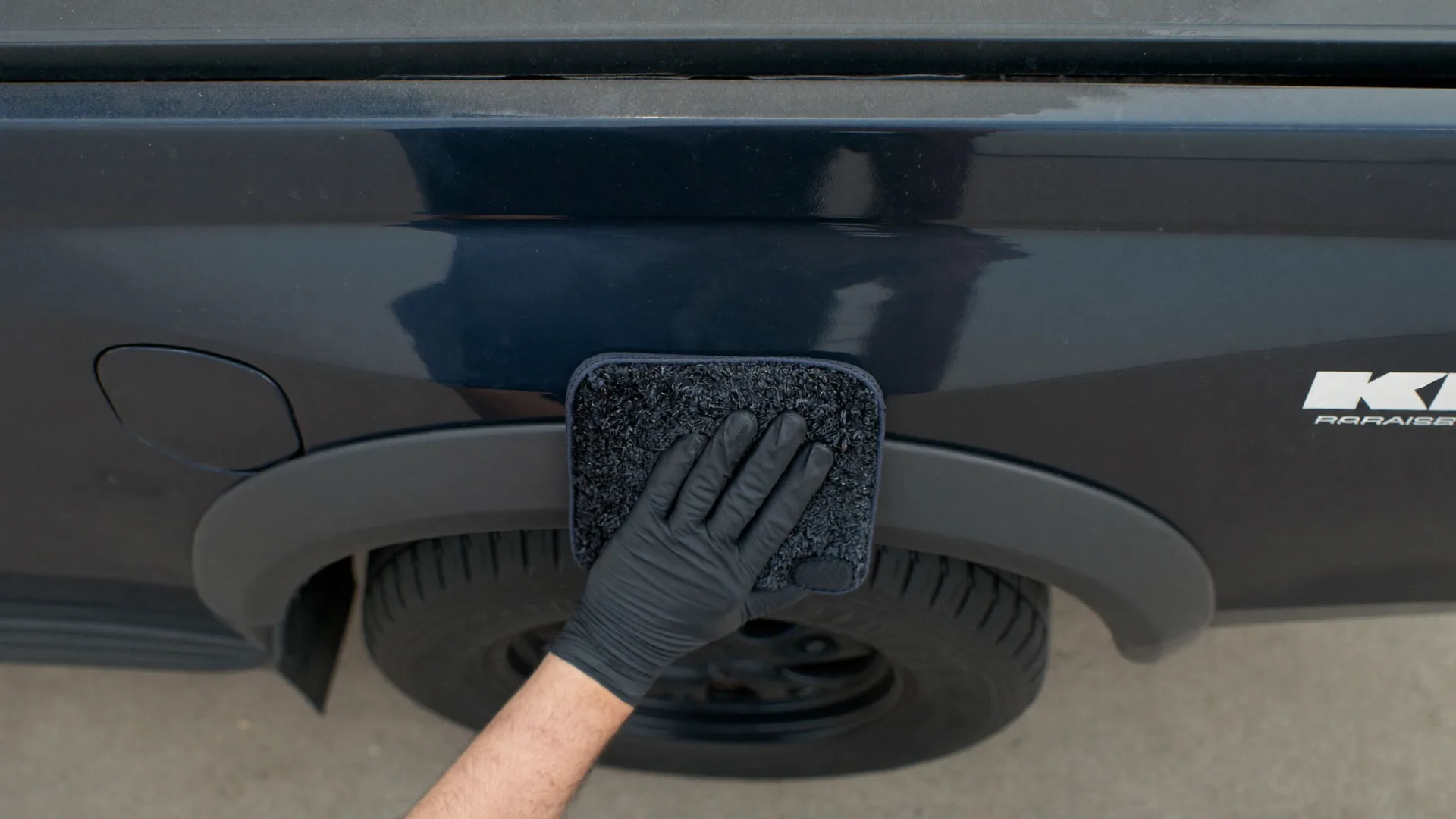
Salt and the underside.
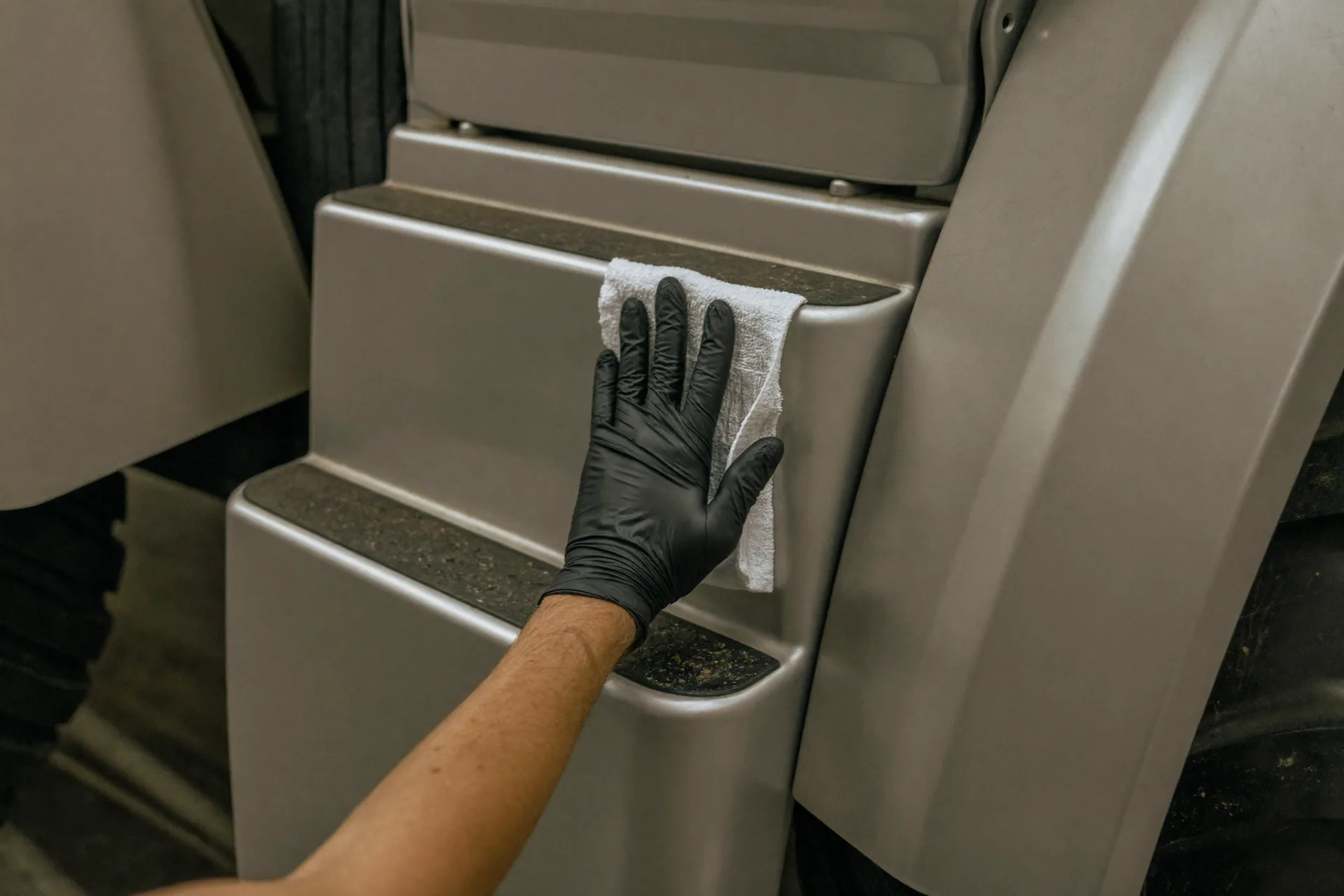
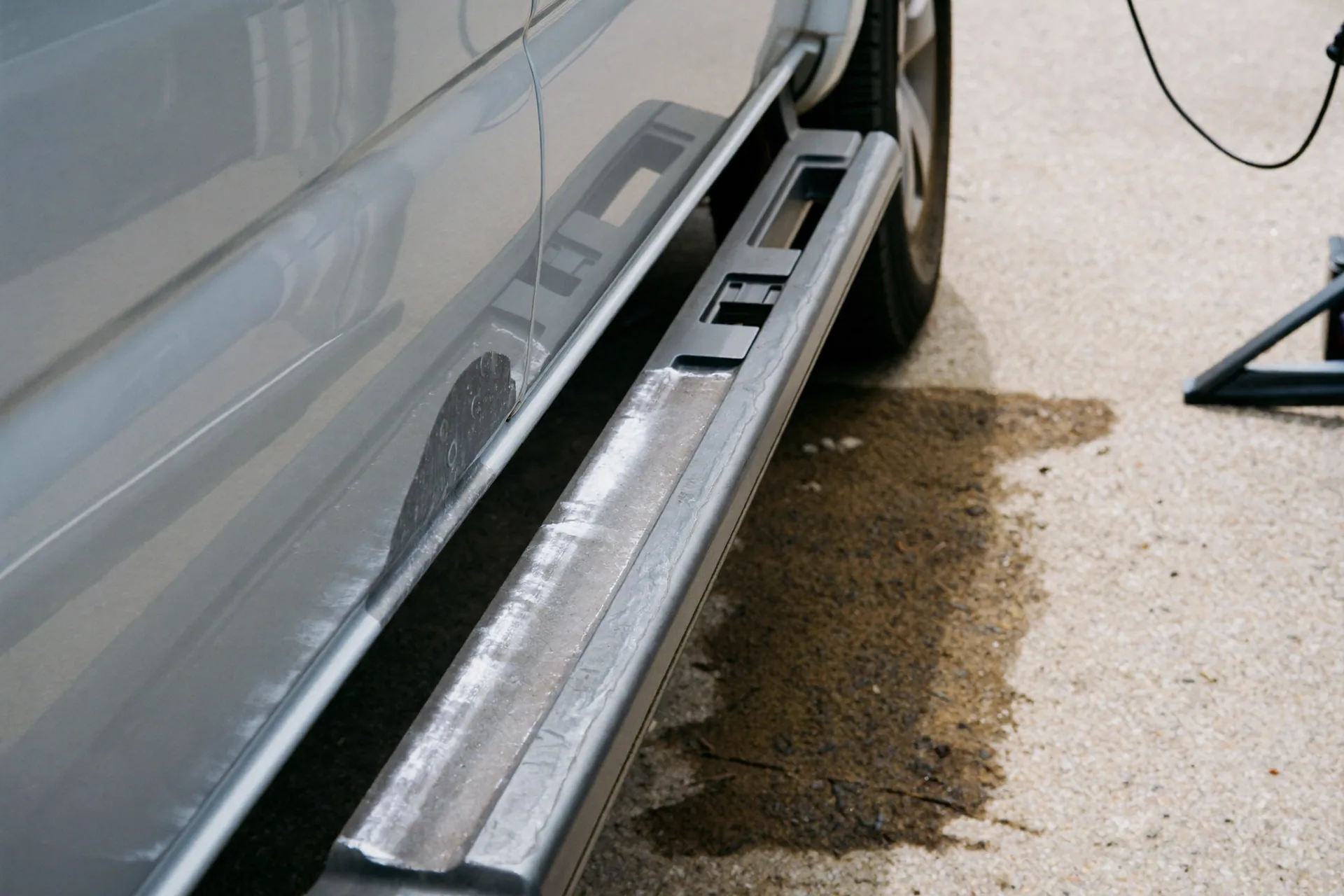
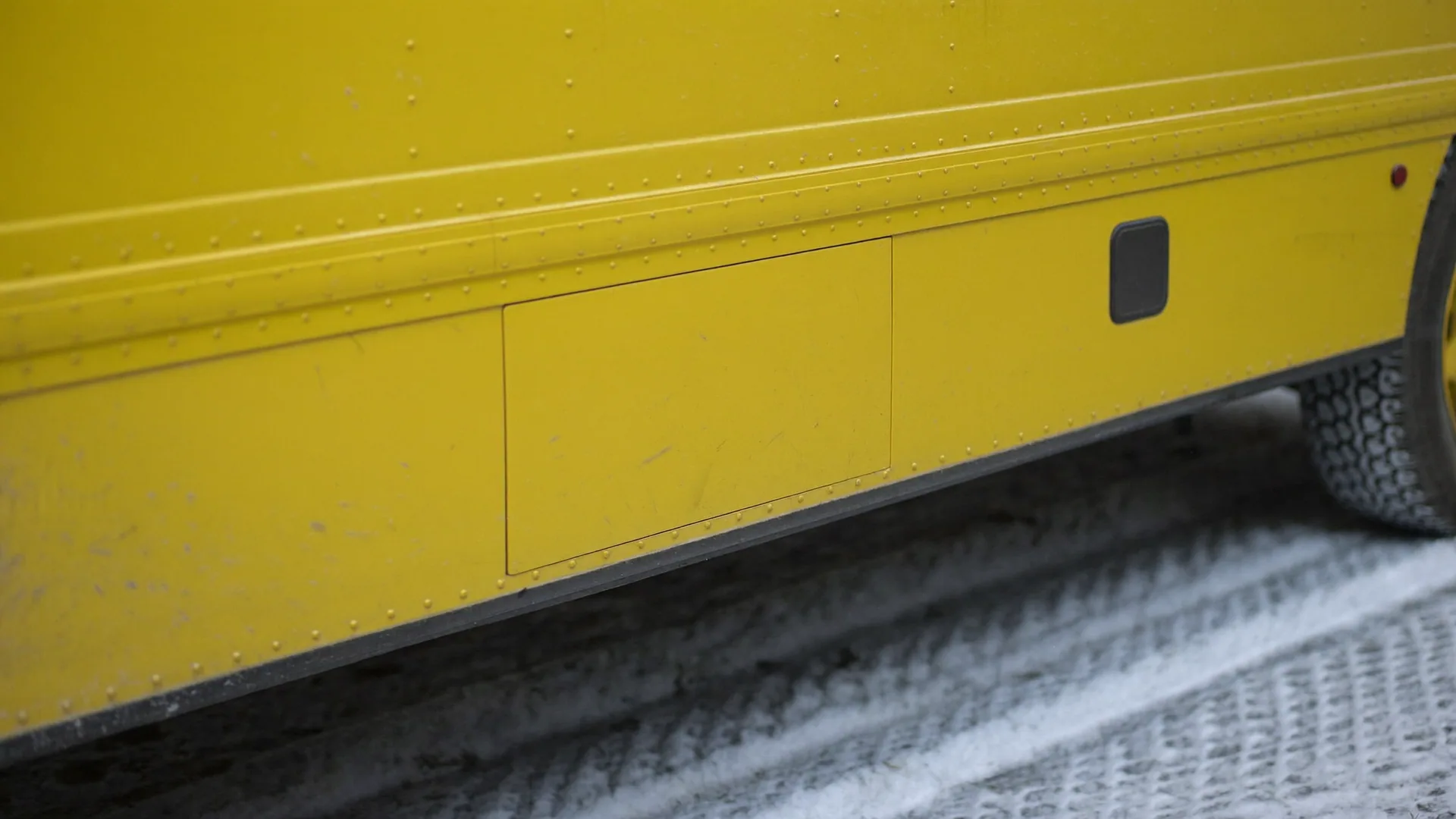
Ontario road salt reaches the parts of a commercial vehicle nobody inspects: arches, lower panels, step plates and the frame behind them. On a vehicle running all winter that is a corrosion timeline rather than a cosmetic one, and rinsing through the season genuinely extends the life of the bodywork.
The cab is somebody's workplace.
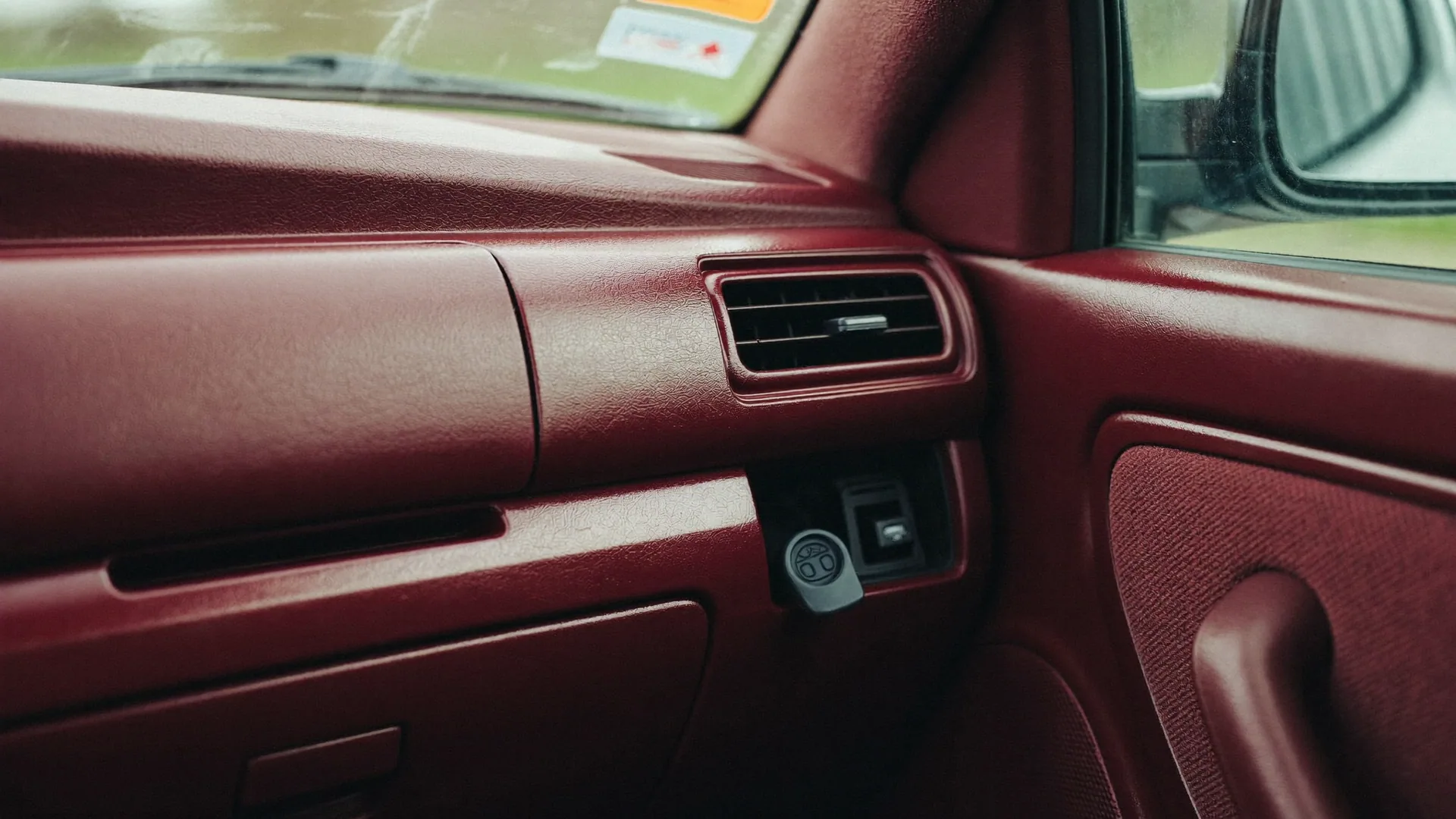
A cab here takes site dust, grit off boots and meals eaten at the wheel, concentrated on the seat, the wheel, the pedals and the door card. Those are the surfaces a driver is in contact with all day, which is why cab interiors wear far faster than the mileage suggests.
If it is a commercial vehicle, the overnight pass route is not open.
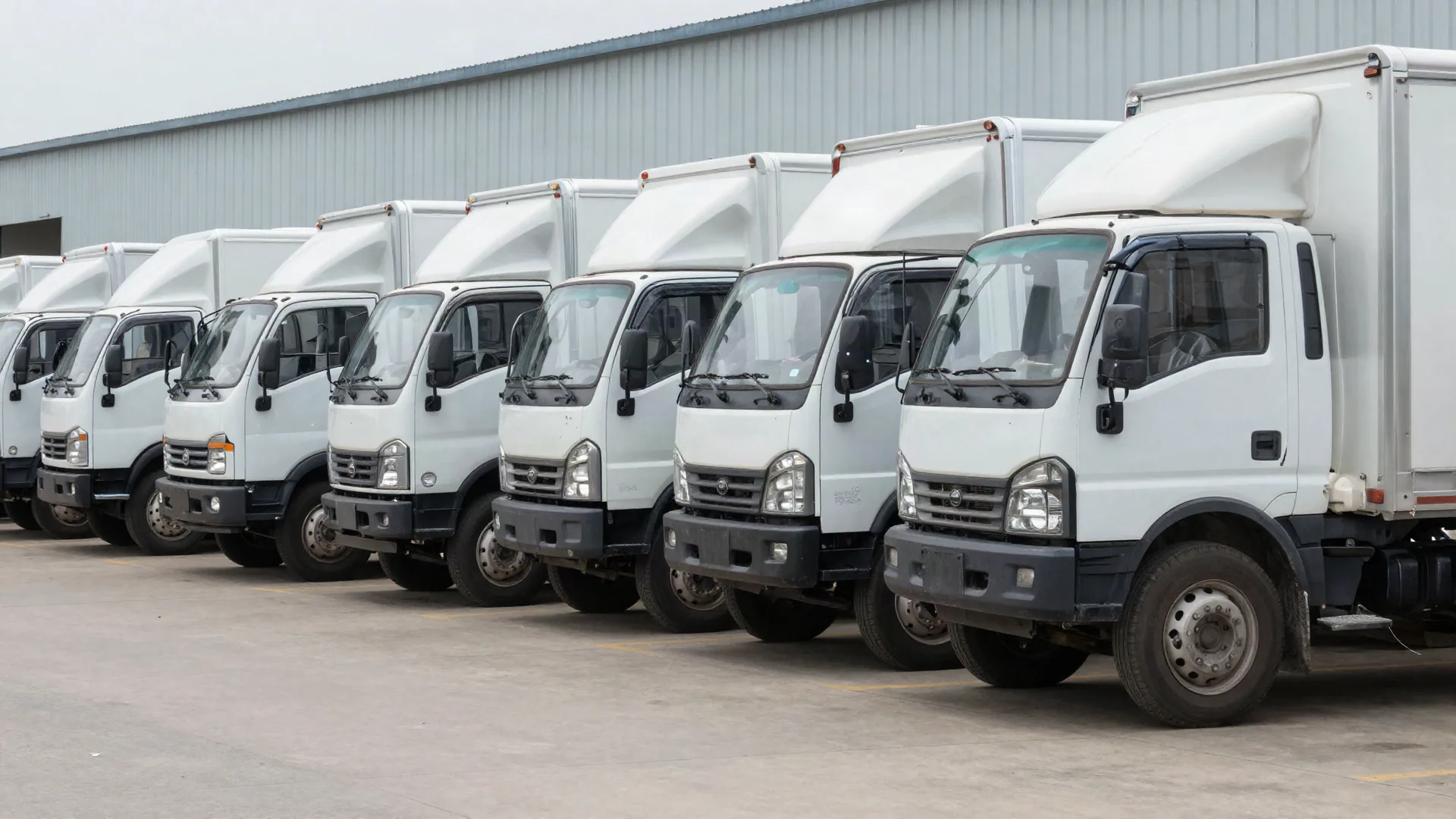
The City's overnight parking passes are stated as being for personal vehicles. For a fleet that removes on-street standing as a planning option and puts the question back on your own yard, which is generally where the work should happen anyway — more room, better light, and no dependence on a registry notice that can appear at short notice.

If the forecast is light, your vehicles are back on treated roads fast.
Under five centimetres the roads are completed within four hours of the snowfall ending, salting and sanding only. Working vehicles are therefore out on freshly treated significant streets very quickly, collecting the chemical film that those roads get, while also running the local streets where sand is placed at intersections, curves and hills. A fleet meets both patterns in the same shift.
So the visit is scoped around release windows and containment.
How long each vehicle can genuinely be off the road decides what a single visit achieves far more than fleet size does. We capture what we use and take the residue away rather than rinsing it into the street, and we are glad to show you the setup before we start rather than ask you to take it on trust.
If your vehicles serve transit-adjacent sites, the bus stops finish last.
The City states sidewalks are a priority and that bus stops are completed afterwards, because crews clear them with the same equipment — in the deepest class, seventy-two hours after the sidewalks. For any operation whose access, loading or staff arrival depends on those points, that is a meaningful lag, and it sits well beyond the twenty-four hours in which the roads themselves are cleared.
Four moments worth booking for.
The work is the same either way — these are the times it makes the most difference in London.
The winter's brine is still on it
Brine works on the arches, lower panels, step plates and the frame behind them all winter in Middlesex County. On a unit running all season that is a corrosion timeline, not a cosmetic one.
Book the spring wash →
It cannot come off the road for a day
Commercial work in London happens at the depot or the yard, and it fits around dispatch. Gate hours and room to get around the unit are the two things to agree at booking.
Book a yard visit →
Yours is one of the ones parked outside
Plenty of vehicles in London live in covered parking, so the ones that do not are taking the full load with none of the shelter. On a working unit that is a corrosion timeline rather than a cosmetic one.
Book protection →
The unit is changing drivers
A handover is the one moment when the state of a cab is unavoidably a judgement about the operation, and it is noticed immediately by the person about to spend most of their waking hours in it. On a Highway 401 freight run the exterior road film is baked on and needs dwell time before contact does anything at all.
Book a handover clean →What Mobile Truck Detailing in London looks like up close
Access is the variable that matters most here. A lot of vehicles live in underground or shared parking with height restrictions and time-limited visitor bays, and that is worth settling when you book rather than on the day — it is the single most common reason a city appointment has to be rescheduled. For commercial vehicles here the pass route is not open, so the work happens at your yard and is scoped around real release windows.
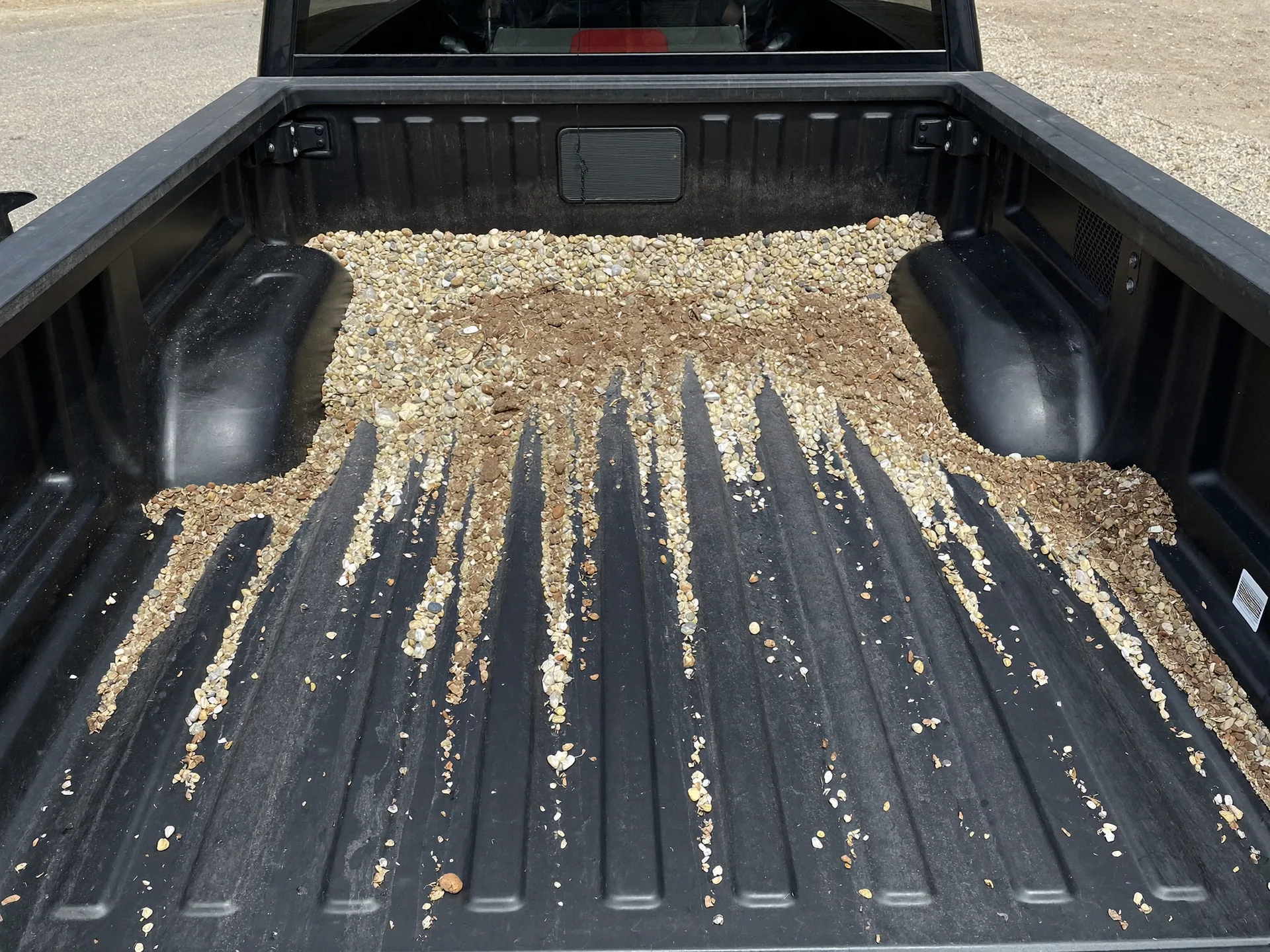
Mats do the work
Heavy-duty rubber mats in the footwells absorb the site grit that otherwise grinds into the carpet. Pulling and rinsing them weekly costs nothing and extends the interior's life considerably.
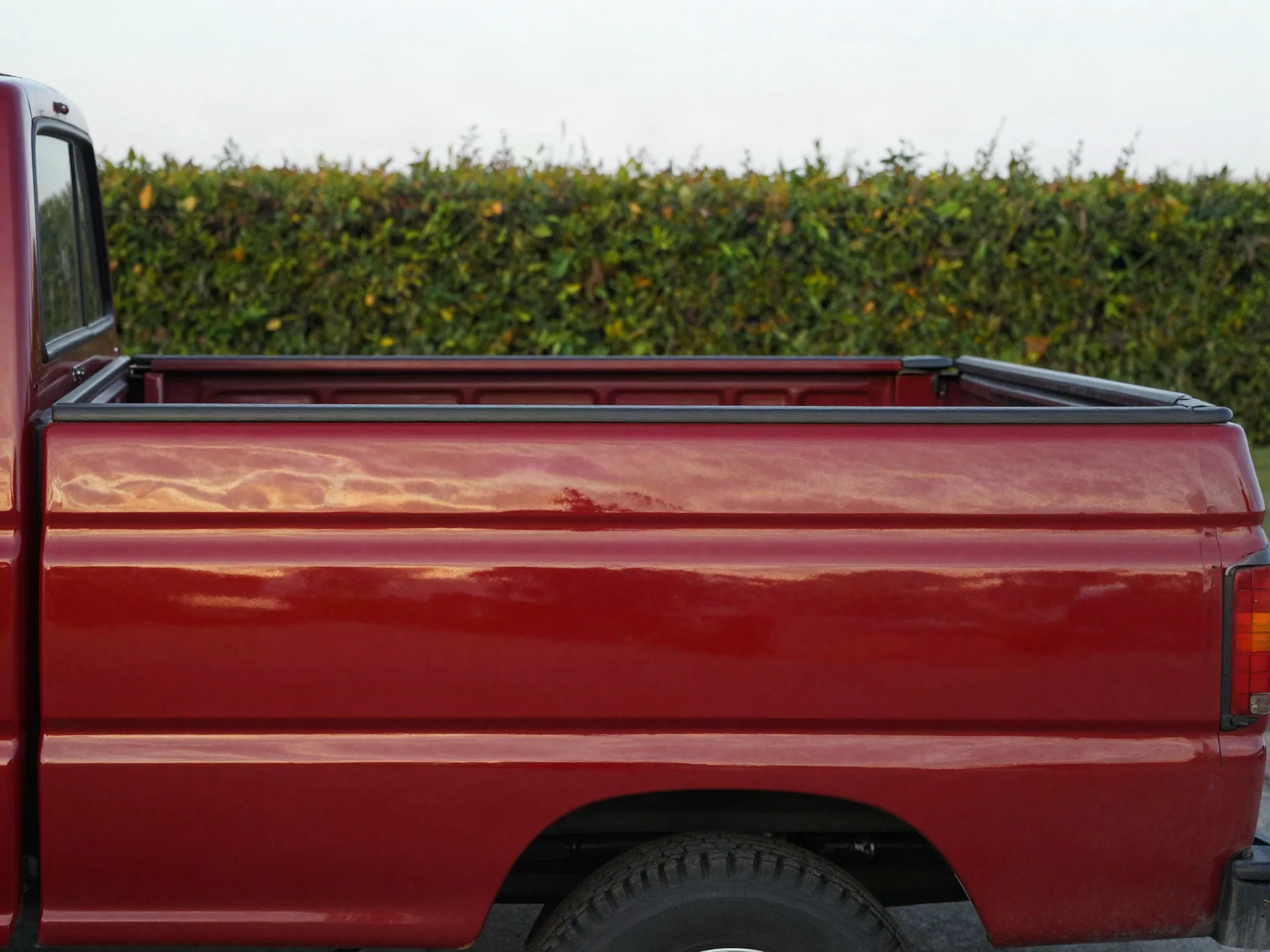
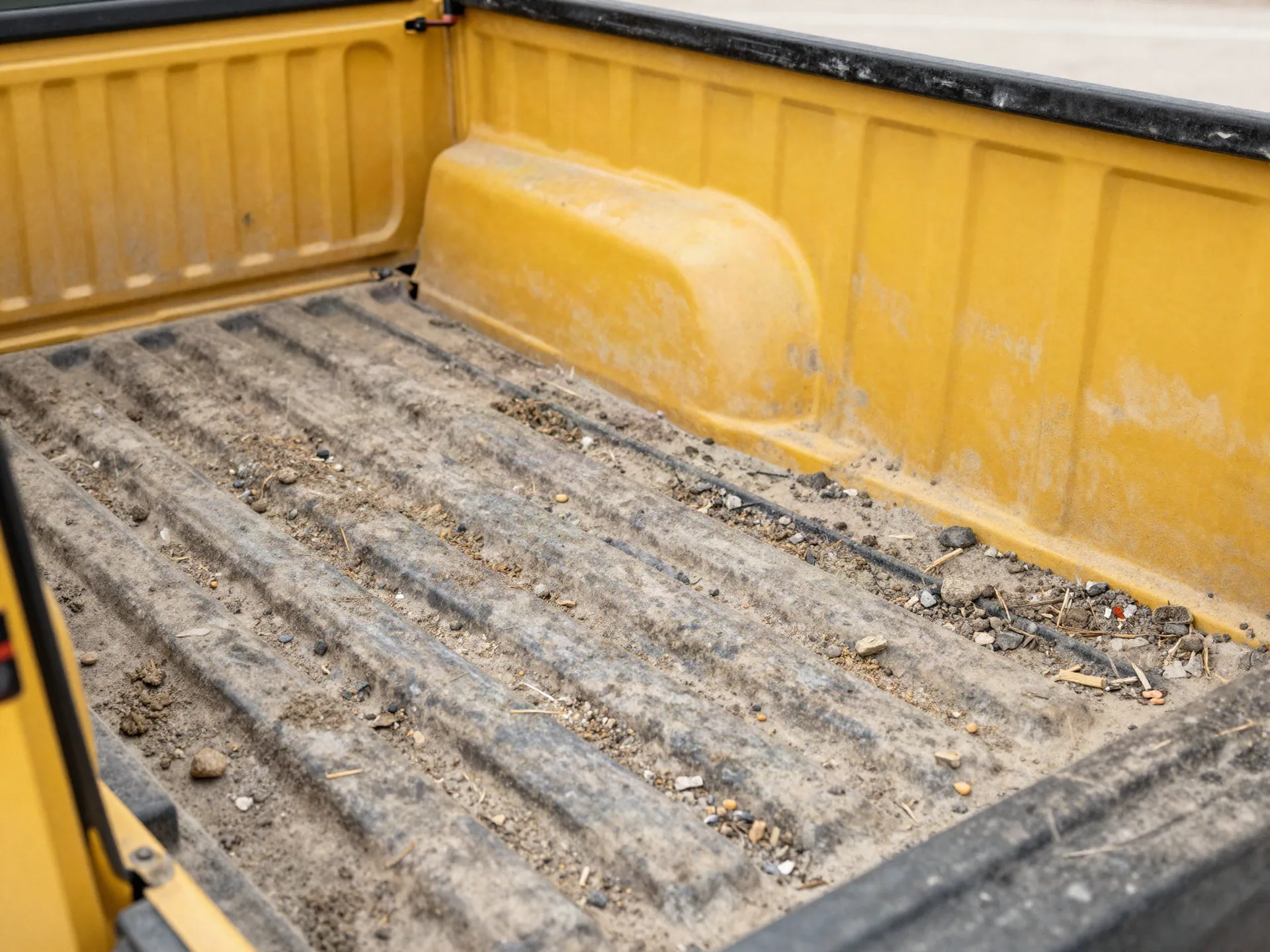
A wash and a detail buy different things.
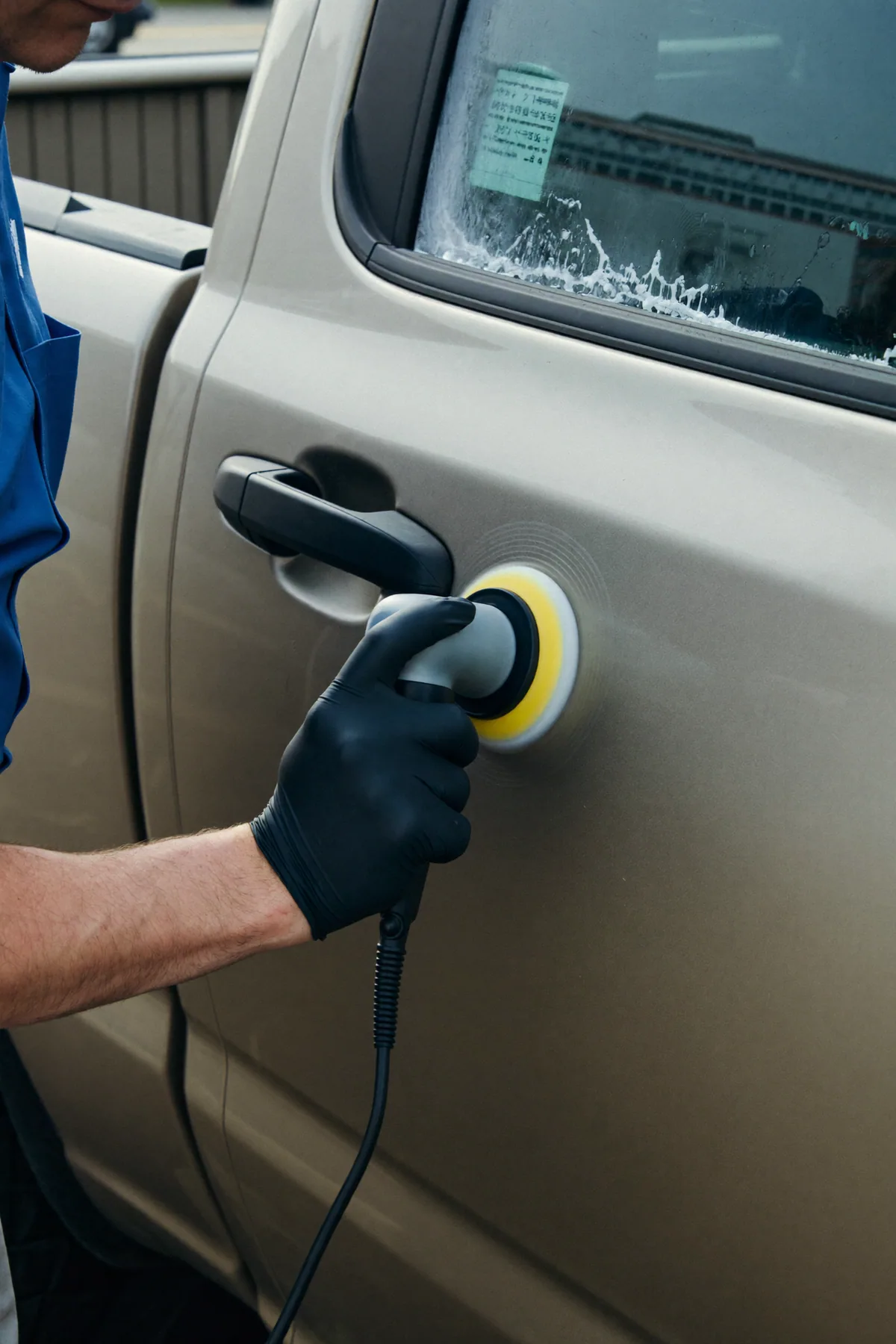
A drive-through gets road film off the flat panels and is the right tool between real cleans. On a Highway 401 freight run that film is baked on and needs chemical dwell time before contact does anything at all. What a wash never covers is the cab, the steps and grab handles, or the seams where Middlesex County brine sits against metal all winter. Those are hand work.
Book in London →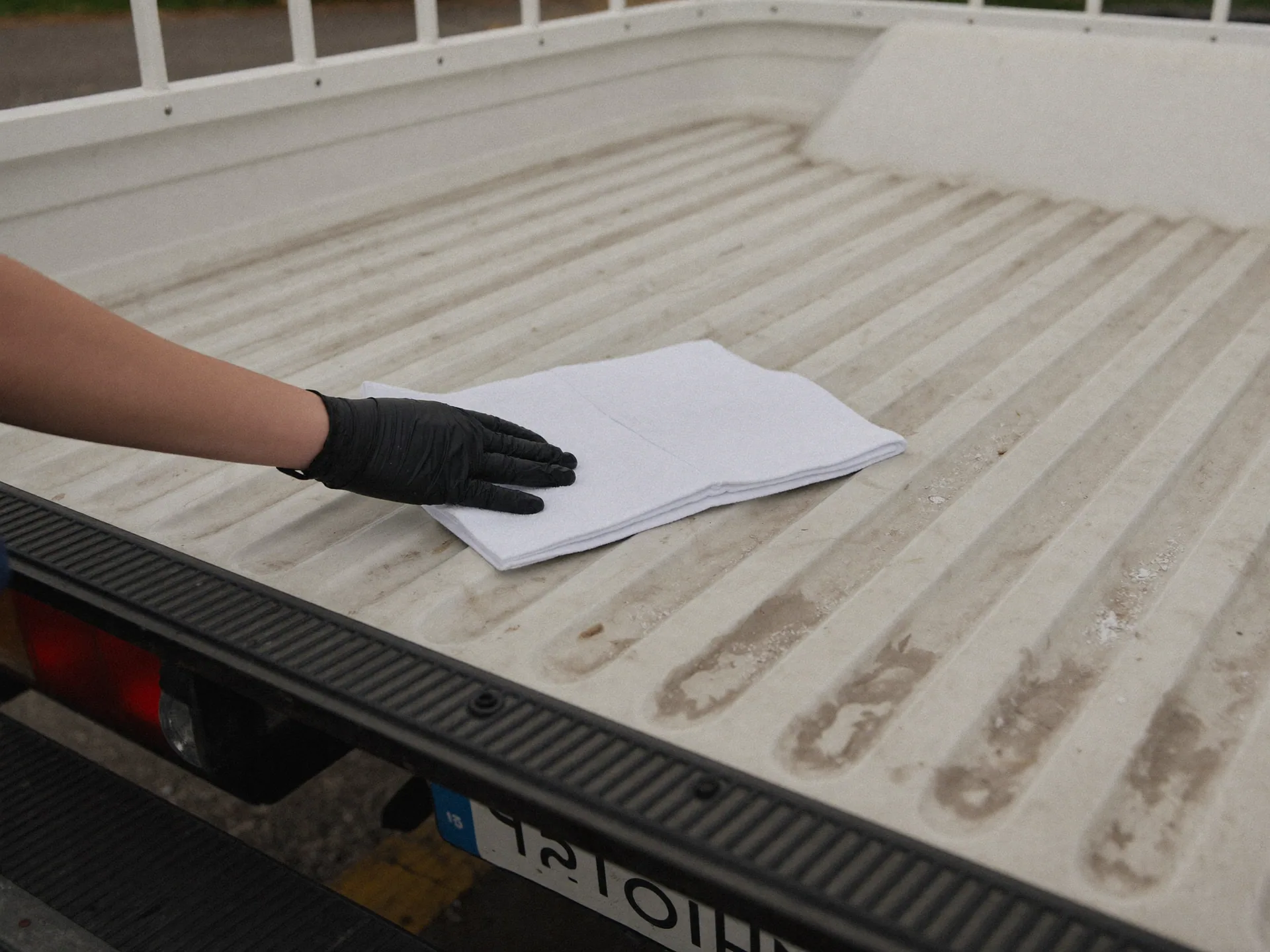
We come to the bay, not the other way round
The alternative in London is a drop-off, a fare each way and half a day gone. We work in the space the vehicle already occupies. Height limits and time-limited visitor bays are the two things worth naming when you book — settled in advance they are a non-issue, discovered on the day they cost the appointment.
How a London appointment actually works.
The practical detail — how far we travel, what the day needs from you, and when in the year it is worth booking in Middlesex County.
Where we travel from, and to
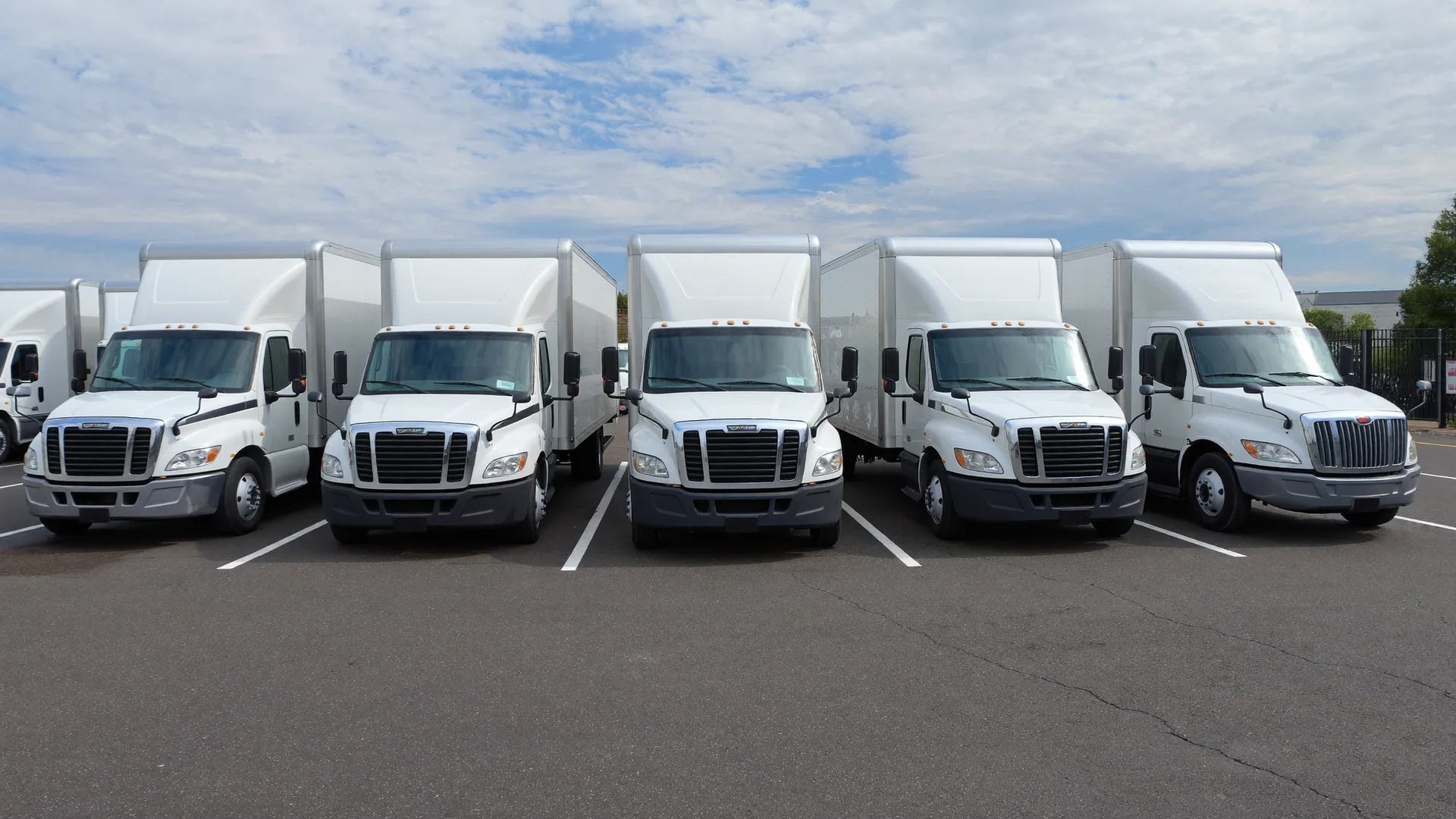
London is inside the regular Middlesex County round rather than a special journey, and Strathroy are covered on the same runs. Density helps: appointments are close together, so a same-week slot is usually available and the window we quote is a narrow one.

What the unit needs on the day
Gate hours and space to work around the unit. Commercial visits in London live or die on those being agreed at booking rather than discovered at the barrier.
When it is worth booking here
Twice a year is the rhythm that actually holds: once when the roads are cleared and the winter's residue is still in the seams, and once in autumn so the protection is on before the salt is. On a Highway 401 vehicle the spring one matters most, because there is simply more on it.
Truck Detailing as it actually runs.
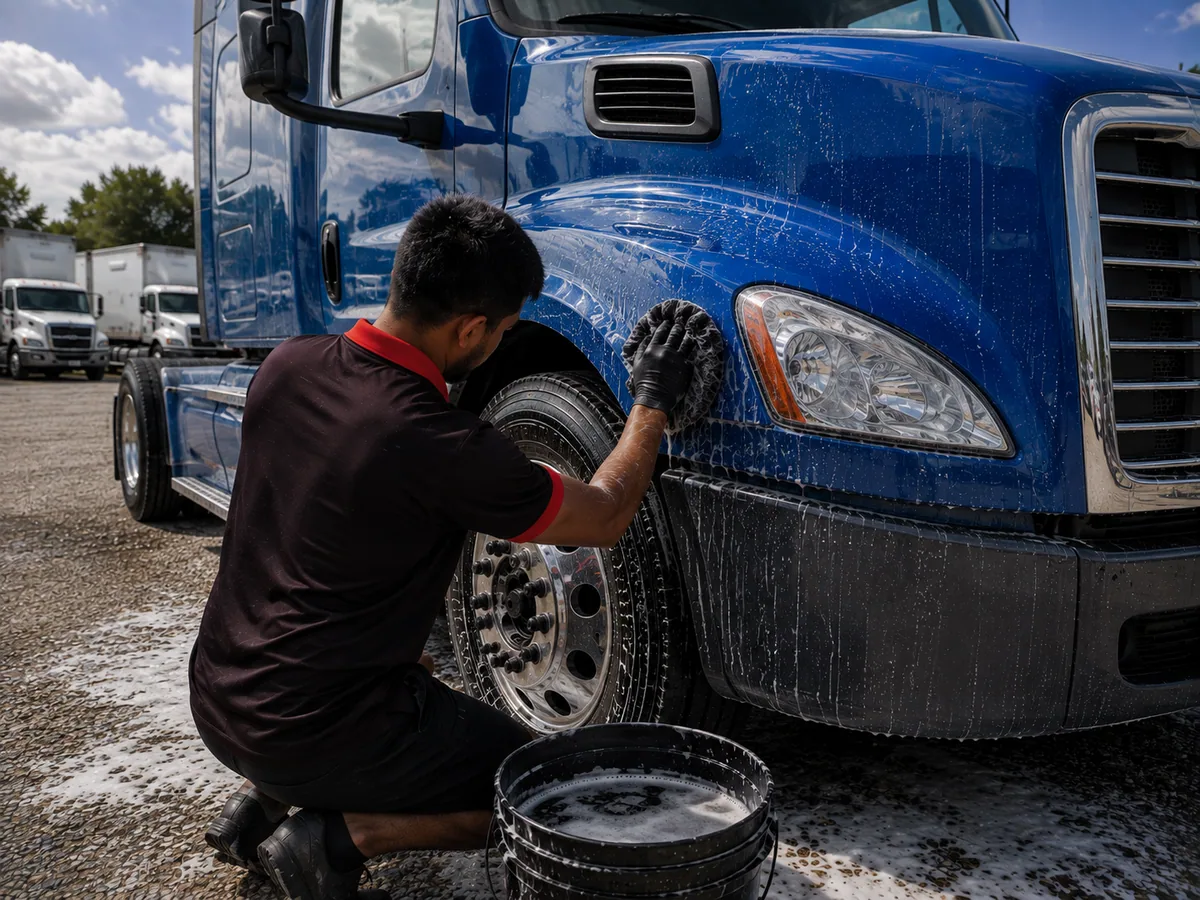
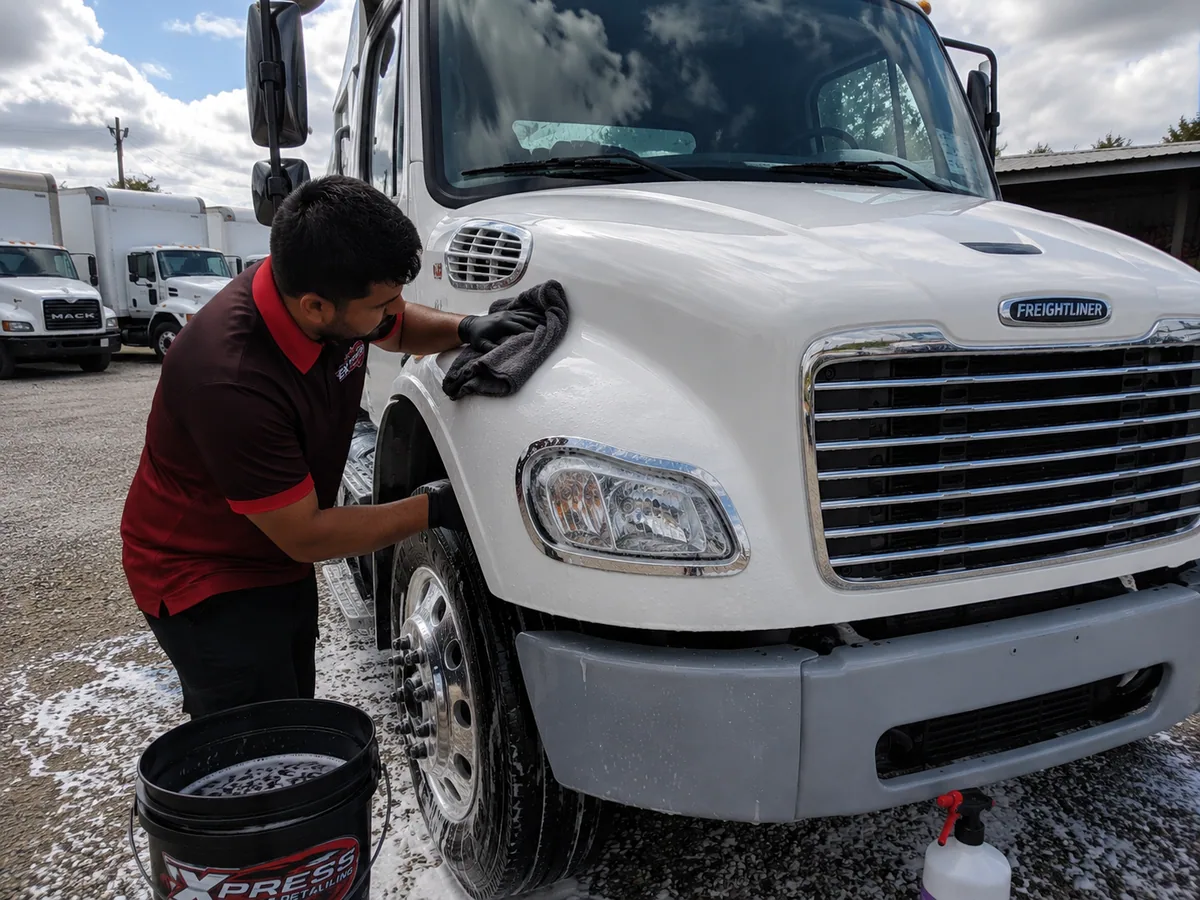
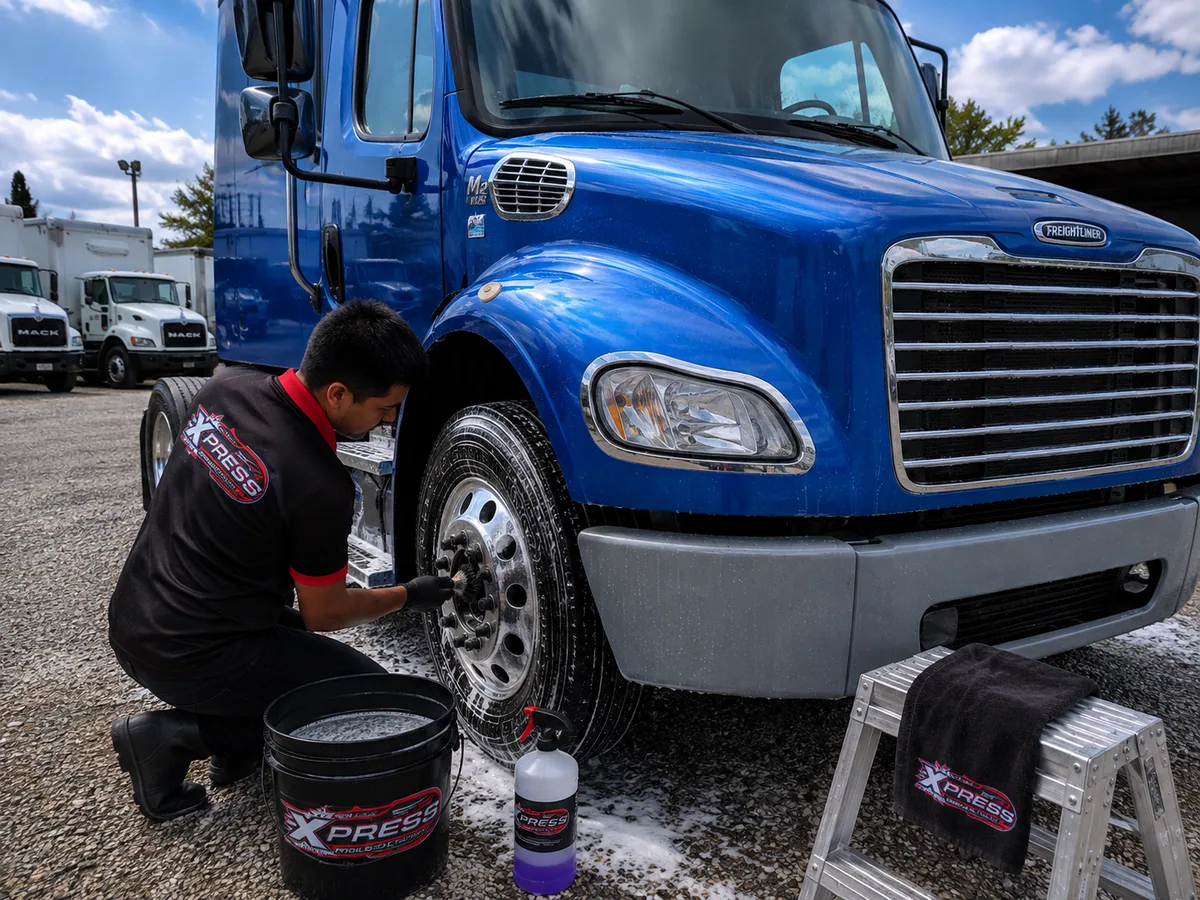
Where we work in London.
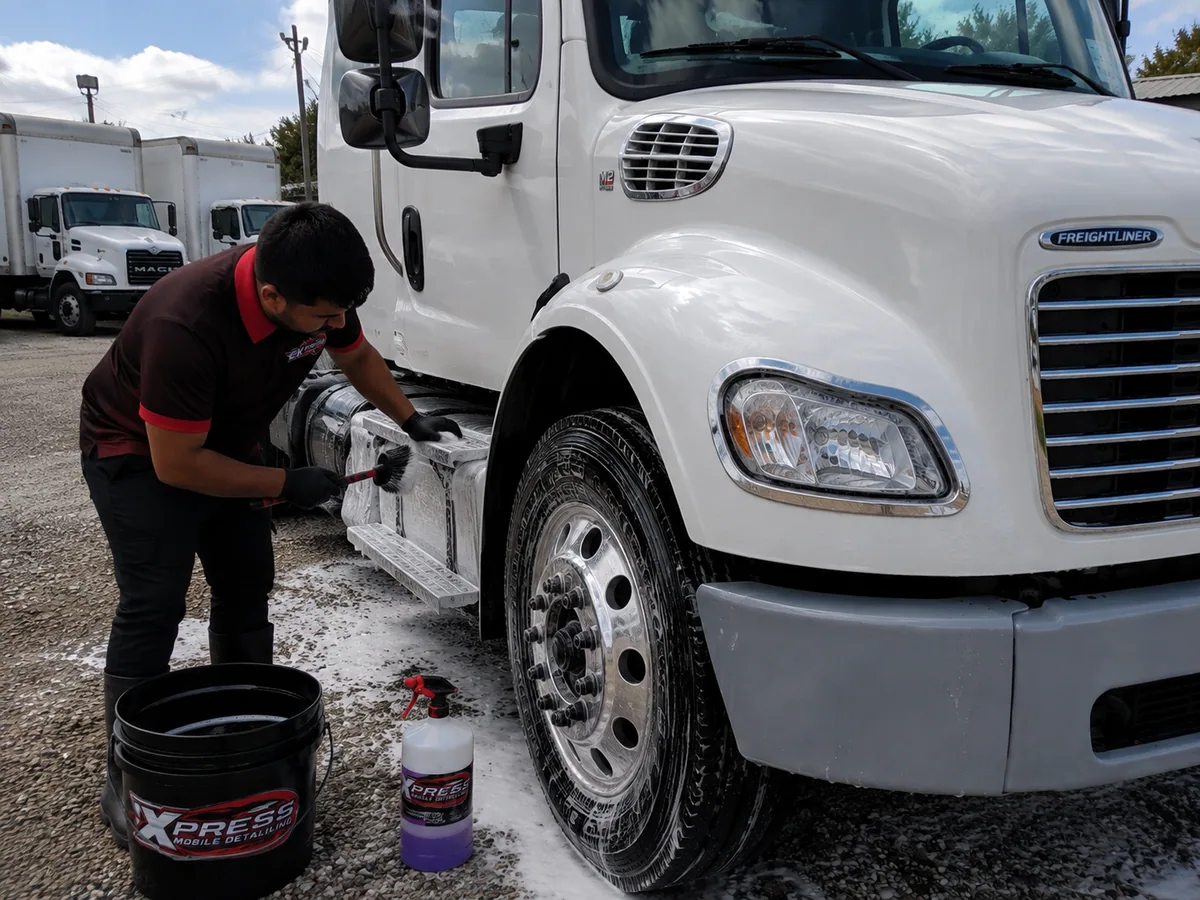
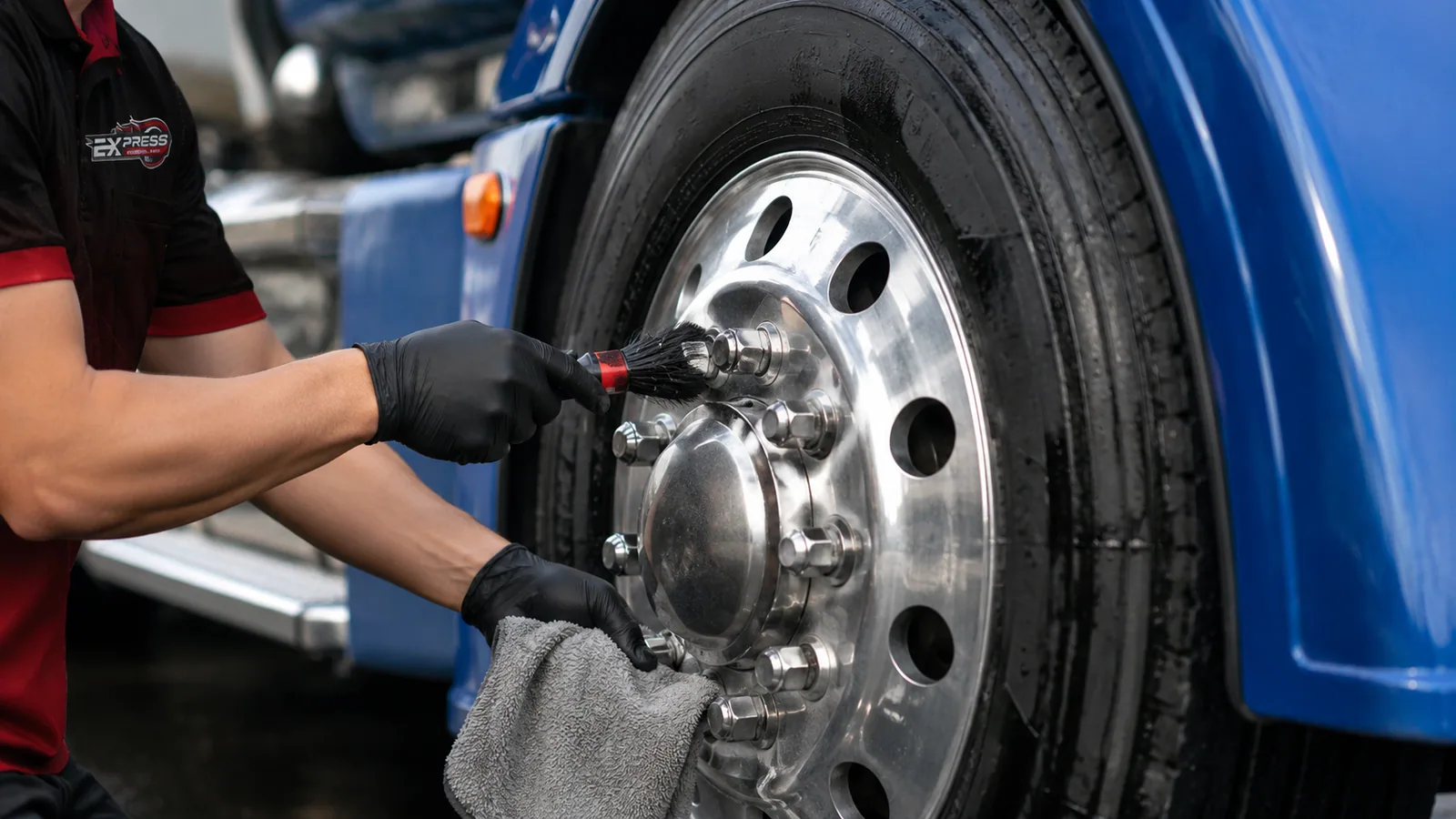
Access is the variable that matters most here. A lot of vehicles live in underground or shared parking with height restrictions and time-limited visitor bays, and that is worth settling when you book rather than on the day — it is the single most common reason a city appointment has to be rescheduled. For commercial vehicles here the pass route is not open, so the work happens at your yard and is scoped around real release windows.
London, on the day.
Recent work from our vans across Middlesex County — truck detailing and everything that travels with it.