Mobile Paint Protection Film in London
Paint Protection Film at your home or office in London, Ontario. We cover London and the rest of Middlesex County as part of our regular service area — Strathroy included.
Why Mobile Paint Protection Film in London is different
What this place does to a vehicle, and what that changes about the work.
Highway 401 is a stone-chip problem, not a wash problem.
Sustained highway speed is what turns loose grit into paint damage, and drivers in London do a lot of it. Chips cluster where physics puts them — front bumper, bonnet leading edge, mirror caps, and the strip behind the front wheels — which is why partial-front coverage removes most of the real-world risk.
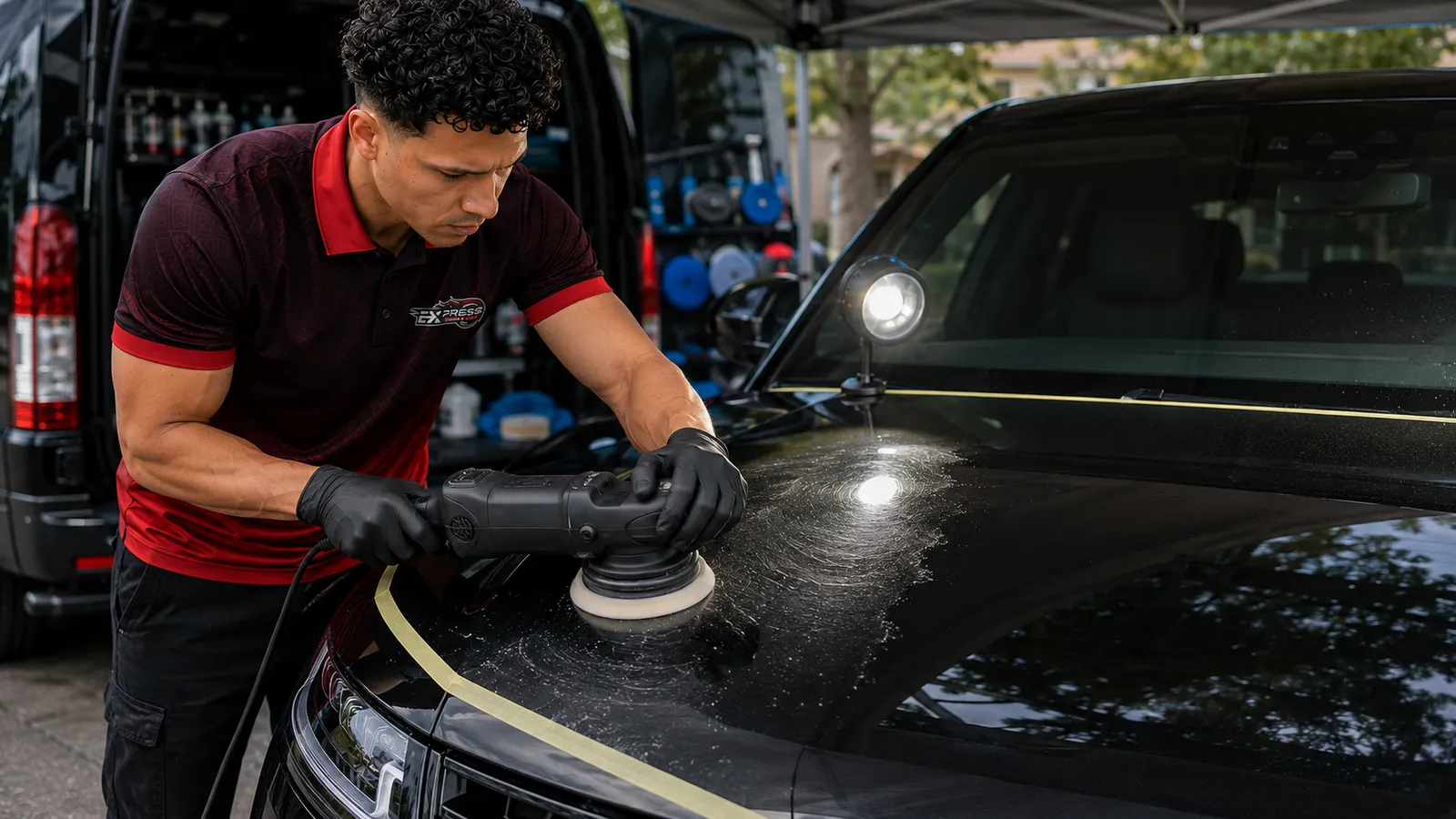
Winter grit makes it seasonal.
Ontario spreads sand and grit as well as salt, and the roads in Middlesex County throw far more material in February than in July. If a vehicle is going to be filmed, doing it before winter rather than after is the difference between protecting paint and covering damage that has already happened.

Film protects; it does not tidy up.
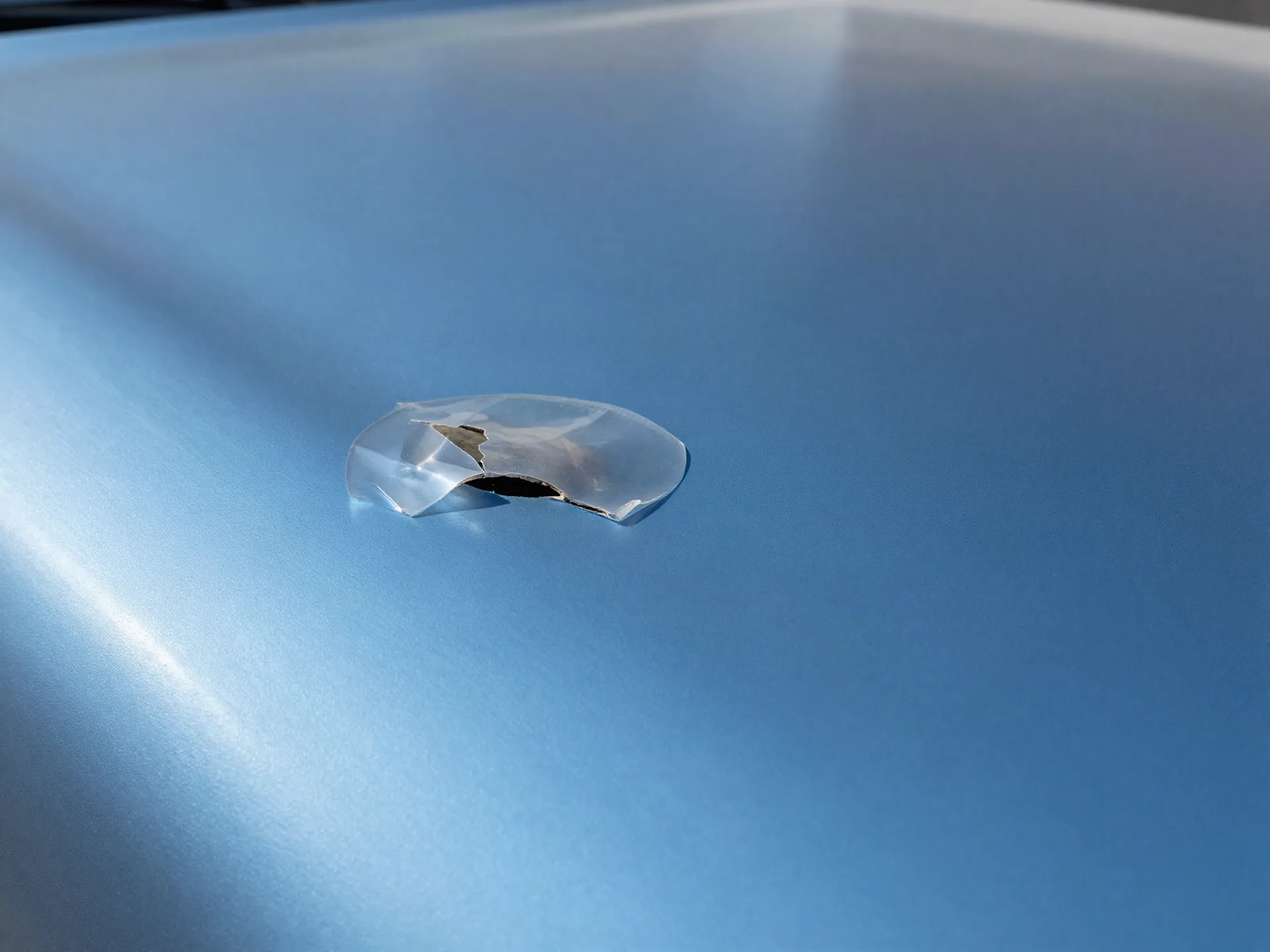
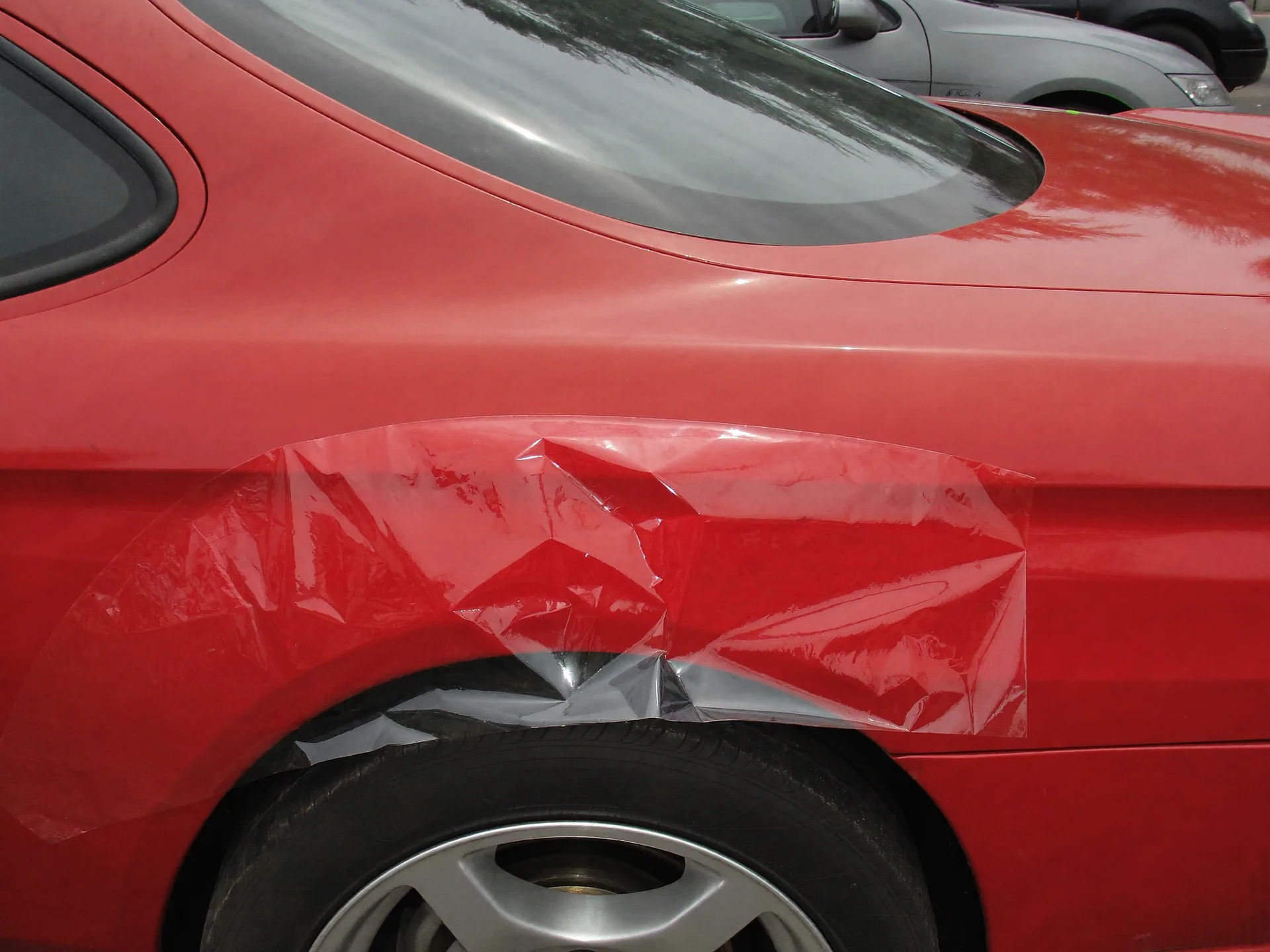
Film goes over what is already there and seals it in, so existing chips are worth addressing before it is applied. That is a sequencing point rather than an upsell — better said before the film is on than after.
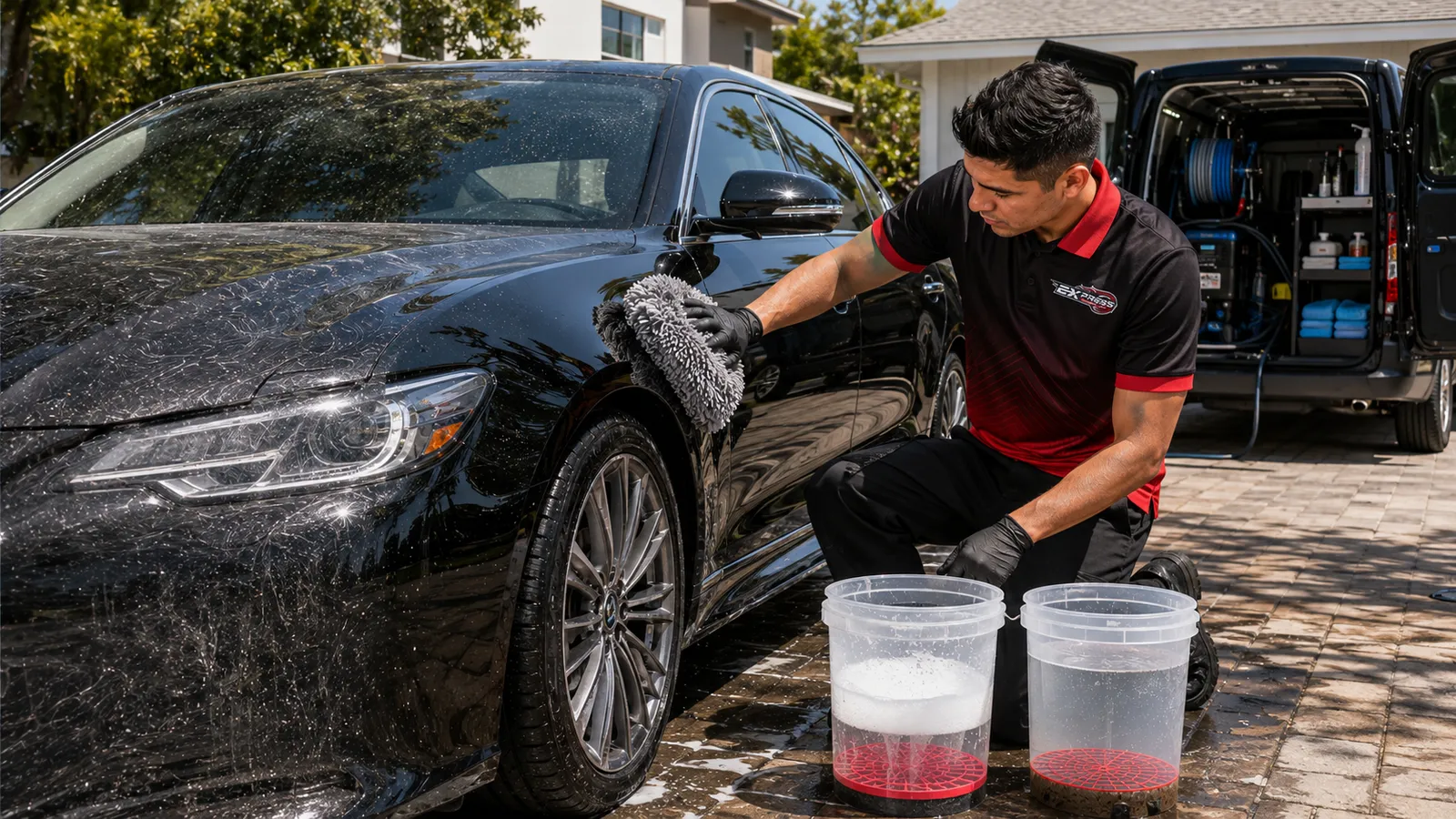
If less than five centimetres falls, the roads are back inside four hours.
The City publishes its standard by snowfall class, and the shallow class is salting and sanding only, with roads completed within four hours of the snowfall ending. That is a fast turnaround, and it means a light snowfall barely interrupts driving — which in turn means vehicles are back at speed on treated surfaces quickly, and that is where leading-edge damage is done.
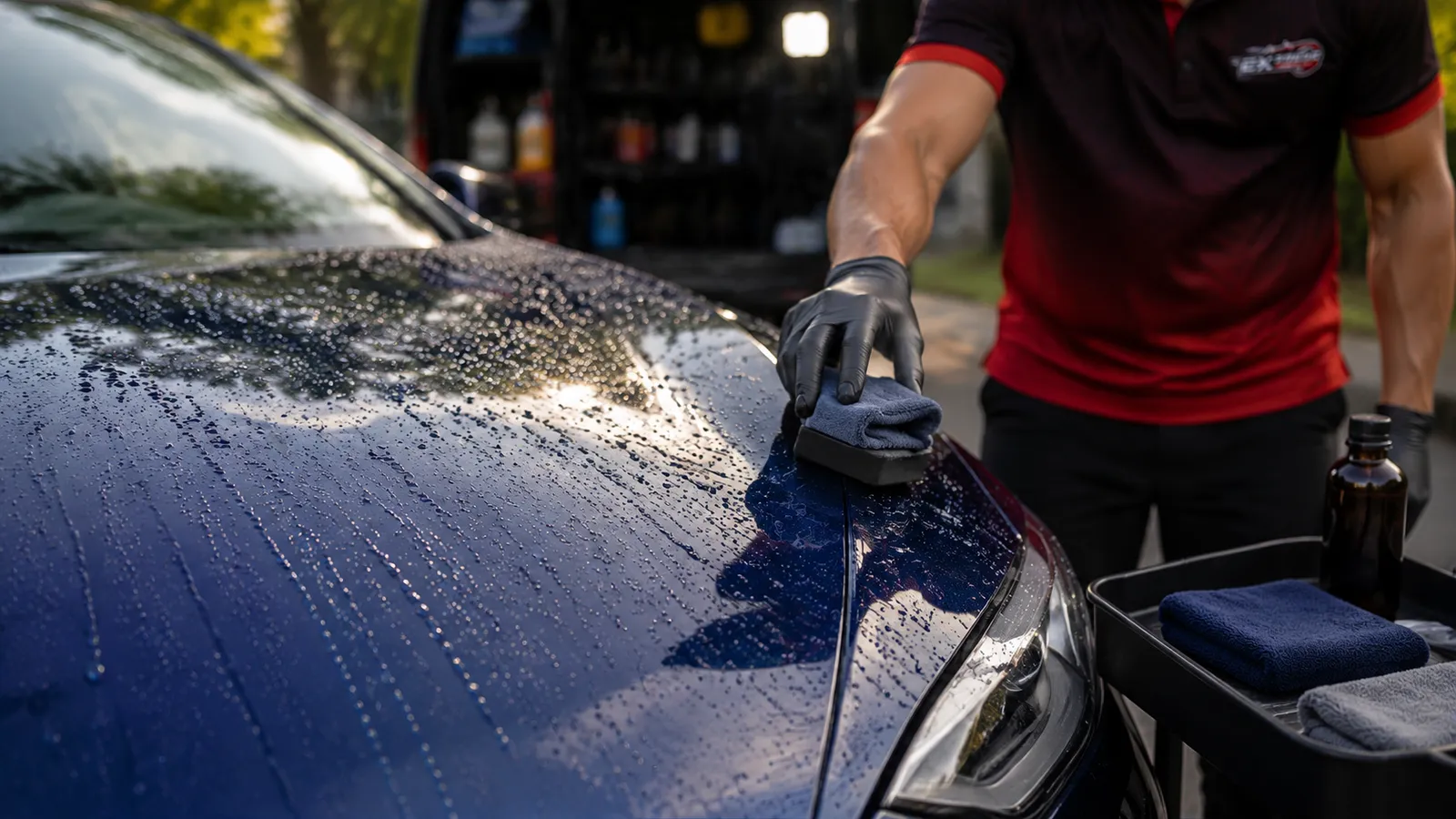
If ten centimetres falls, it becomes a full day.
At the ten-centimetre class, roads are cleared within twenty-four hours, bike lanes within twenty-four, sidewalks within forty-eight and bus stops seventy-two hours after sidewalks. In that window there is a lot of slow driving over uncleared and partly treated surfaces, which throws material low on the vehicle rather than at the front of it. Two different snowfalls, two different damage patterns.

So the coverage worth fitting depends on which winter you drive.
A commuter who keeps moving through light snowfalls collects leading-edge chipping — bumper, bonnet edge, mirror caps, headlamps. Someone whose driving is concentrated in the days after bigger falls collects lower-body contact instead. We would rather look at where the chips already are on your car and recommend from that evidence than fit a standard front package to a vehicle taking its damage at the sills.
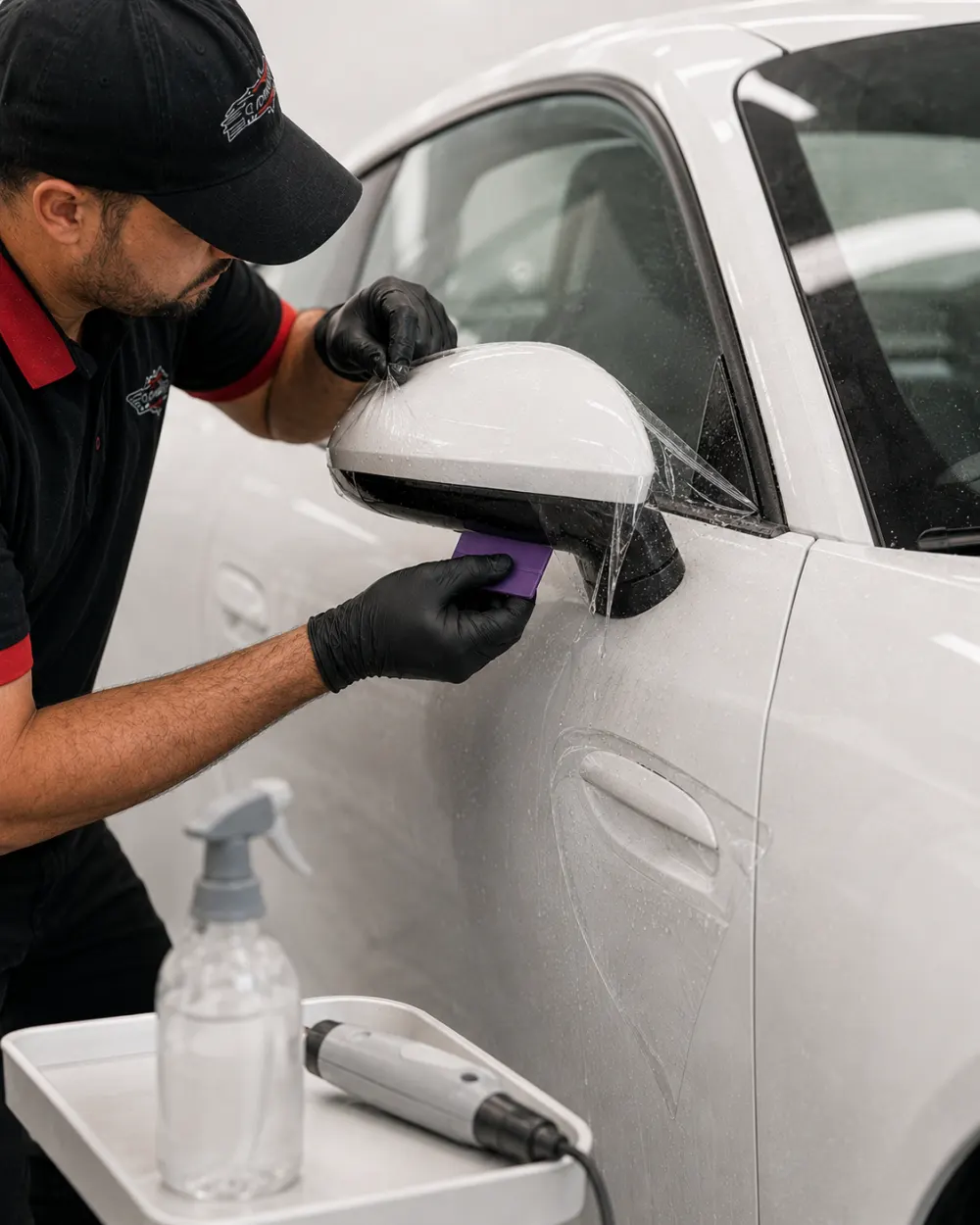
If you cycle or share the road, note the bike lanes run on their own clock.
The published standard treats bike lanes as a separate class of asset with their own timings — eight hours in the shallow class, twenty-four in the deepest. That is worth knowing because it means the edge of the roadway, where a vehicle's nearside runs, is on a different clearing schedule from the driving lanes. Material sits longer at the road edge than in the middle, and the nearside of a car meets it.
Four moments worth booking for.
The work is the same either way — these are the times it makes the most difference in London.
Book it before the grit season, not after
Middlesex County spreads sand and grit as well as salt, and the roads throw far more of it in February than in July. Film in autumn protects through the season that causes the chipping.
Get filmed before winter →You do not have a driveway
Access is the variable that matters most in London — height limits and time-limited visitor bays are the commonest reason a city appointment is rescheduled. Settled at booking, it is a non-issue.
Check access and book →Yours is one of the ones parked outside
Plenty of vehicles in London live in covered parking, so the ones that do not are taking the full load with none of the shelter. Film does nothing about UV, and it is the only thing that does anything about the stone that hits the bumper on the way to work.
Book protection →The front bumper has started to pepper
Sustained speed on Highway 401 is what turns loose grit into paint damage, and drivers here do a lot of it. Chips cluster exactly where physics puts them — front bumper, bonnet leading edge, mirror caps, the strip behind the front wheels — which is why partial-front coverage removes most of the real risk for a London commuter.
Book paint protection film →What Mobile Paint Protection Film in London looks like up close
Access is the variable that matters most here. A lot of vehicles live in underground or shared parking with height restrictions and time-limited visitor bays, and that is worth settling when you book rather than on the day — it is the single most common reason a city appointment has to be rescheduled. For film specifically, the clearing standard scales with snowfall depth, and light and heavy snowfalls produce quite different damage patterns.
Wait before the first wash
The adhesive needs time to fully bond. The exact window is explained at handover, and washing early is the most common way a fresh edge gets lifted.
Highway 401 is why the tunnel is not enough.
An automatic wash removes loose dirt and it is genuinely fast. What it cannot do is separate the grit it just collected from the next car's paint, and it cannot touch anything chemically bonded — which on a Highway 401 vehicle is most of what is actually on it. Sustained highway speed lays road film across the lower panels continuously, and that needs a pre-rinse, two buckets and clay to remove.
Book in London →We come to the bay, not the other way round
The alternative in London is a drop-off, a fare each way and half a day gone. We work in the space the vehicle already occupies. Height limits and time-limited visitor bays are the two things worth naming when you book — settled in advance they are a non-issue, discovered on the day they cost the appointment.
How a London appointment actually works.
The practical detail — how far we travel, what the day needs from you, and when in the year it is worth booking in Middlesex County.
Where we travel from, and to
London is inside the regular Middlesex County round rather than a special journey, and Strathroy are covered on the same runs. Density helps: appointments are close together, so a same-week slot is usually available and the window we quote is a narrow one.
What the vehicle needs on the day
A bay we can reach and stand beside. Underground height limits and time-limited visitor parking are the two things worth naming when you book — they are the commonest reason a London appointment moves.
When it is worth booking here
Twice a year is the rhythm that actually holds: once when the roads are cleared and the winter's residue is still in the seams, and once in autumn so the protection is on before the salt is. On a Highway 401 vehicle the spring one matters most, because there is simply more on it.
Paint Protection Film as it actually runs.
Where we work in London.
Access is the variable that matters most here. A lot of vehicles live in underground or shared parking with height restrictions and time-limited visitor bays, and that is worth settling when you book rather than on the day — it is the single most common reason a city appointment has to be rescheduled. For film specifically, the clearing standard scales with snowfall depth, and light and heavy snowfalls produce quite different damage patterns.
London, on the day.
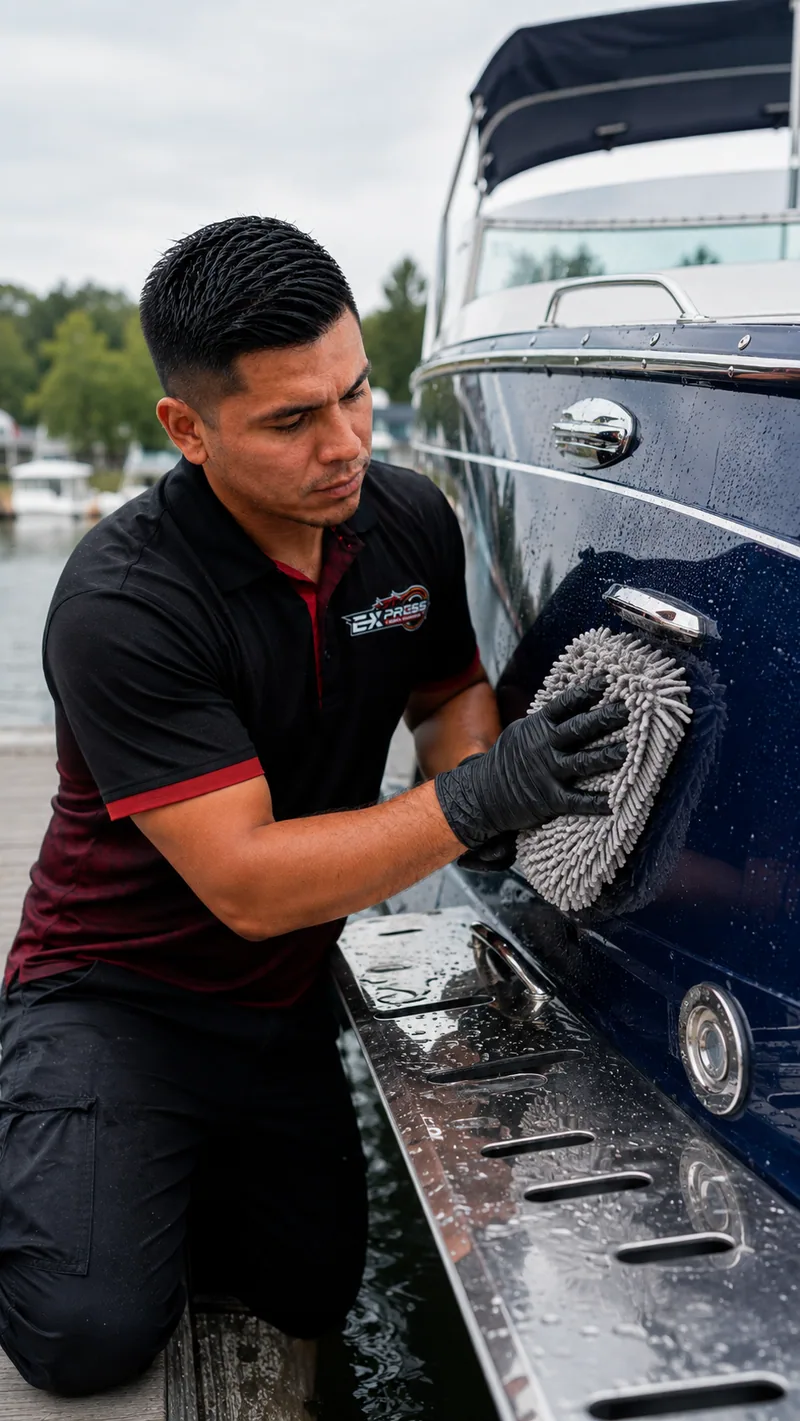
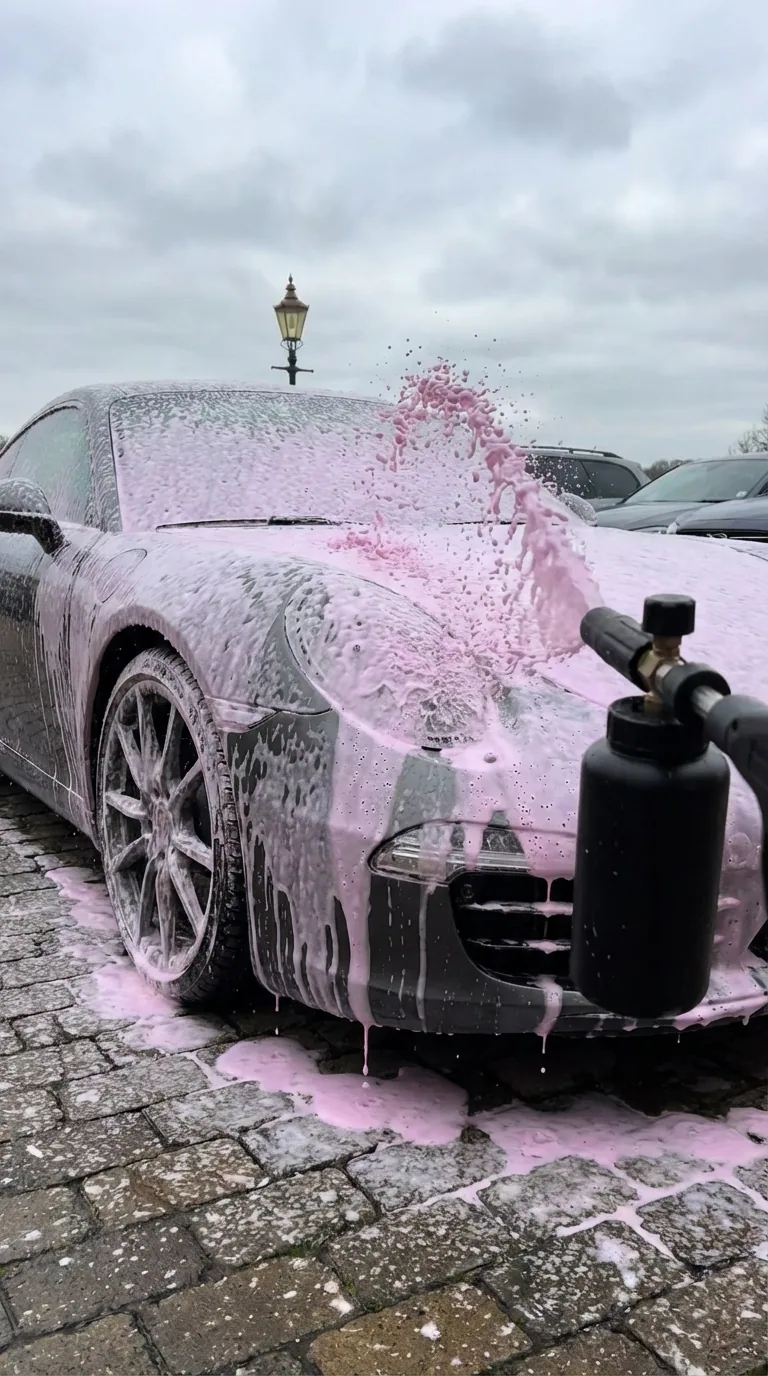
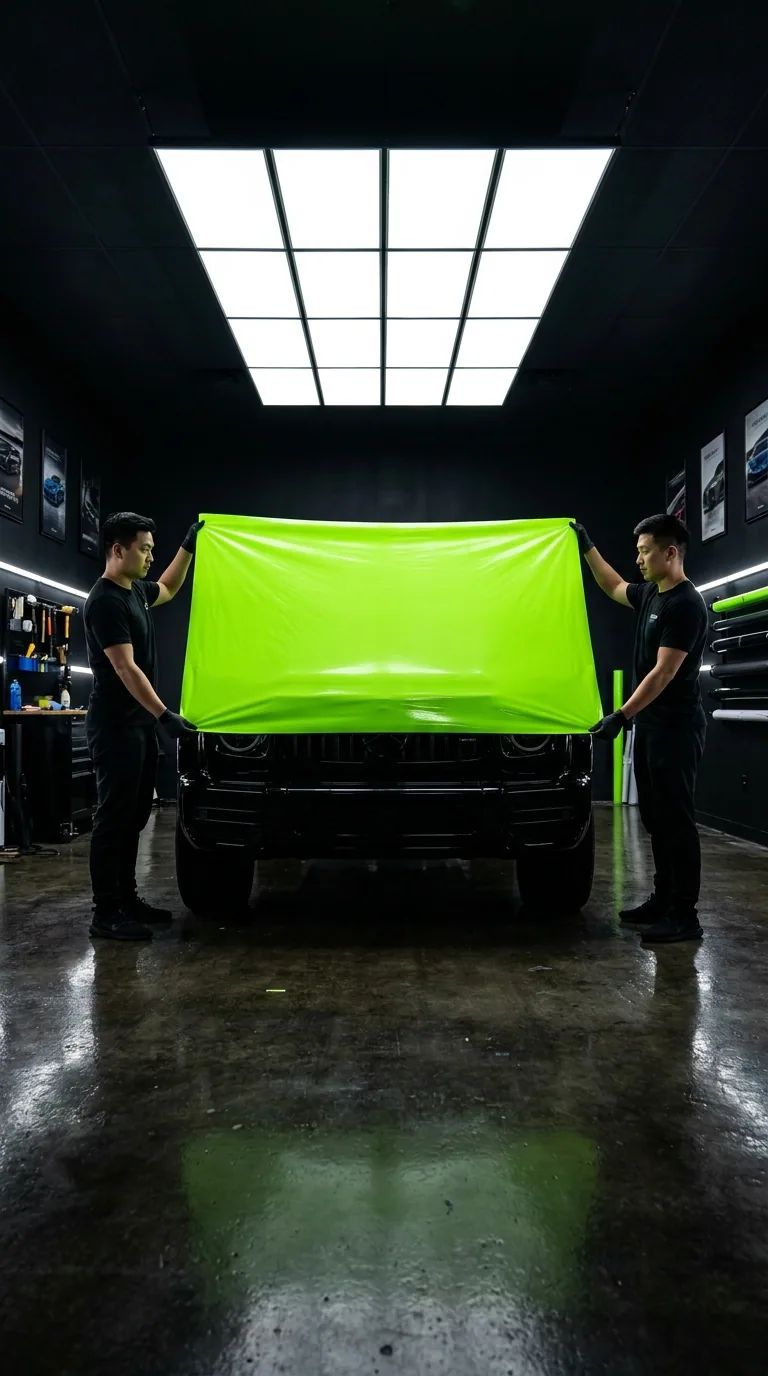
Recent work from our vans across Middlesex County — paint protection film and everything that travels with it.